
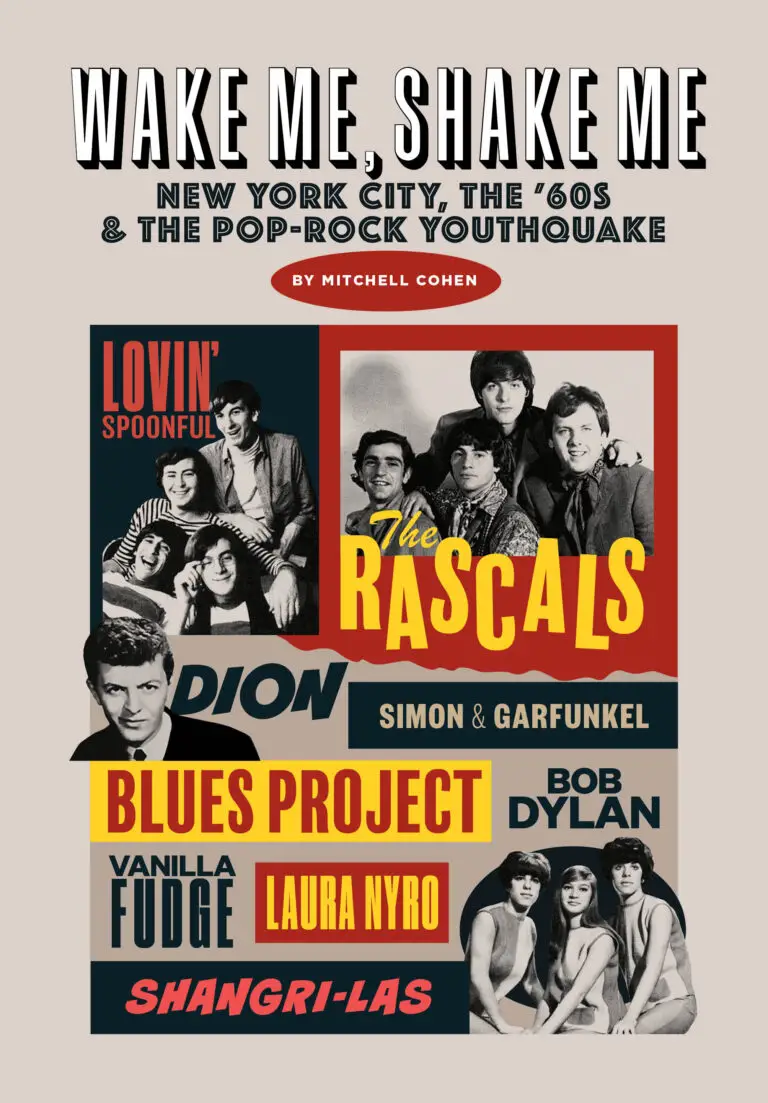
New York has long been the center of the financial universe. But in the ‘60s, it was also the undisputed leader in manufacturing the megastars and musical trends that would forever shape rock and roll. With Wake Me, Shake Me: New York City, The ‘60s & the Pop-Rock Youthquake (Trouser Press), Mitchell Cohen has crafted another indispensable resource for music lovers, one that charts these halcyon days in the Big Apple that saw the rise of everything from doo wop, girl groups, dance crazes like the Twist and folk music to rock festivals, FM radio and bubblegum, baroque, and underground rock.
Cohen is well equipped to handle this monumental task. He has been writing about music since the ‘70s and served as a senior A&R executive at labels including Columbia, Verve, and Arista Records. I enjoyed and rave-reviewed two of his recent books for NYSMusic.com: his 2022 history of Arista, Looking for the Magic, and the even more delicious The White Label Preservation Society: 100 Flop Albums You Ought to Know. The latter book, created with the help of the late, great NYC bassist Sal Maida in 2021, spawned a second volume and hundreds of hours of deep listening for me and, I suspect, for everyone who dug beneath the covers of these books.
Cohen’s history of rock’s emergence in New York City casts a wide, detailed net. He fleshes out the stories of notable songwriters and producers who gave birth to early rock’s girl groups and boy teen idols and the endless stream of AM radio hits that still define the era. He digs into how radio evolved into a force that fired up young people about pop music and the more progressive sounds that accompanied the birth of FM radio. He also details how record labels, like Columbia, morphed from homes for easy-listening artists like Mitch Miller, Edie Gorme, and Perry Como into champions of sonic rebels like Bob Dylan, Janis Joplin, and Blood, Sweat and Tears. There’s also discussion of the role that national television shows like The Ed Sullivan Show and Hullabaloo, and locals like Clay Cole and Lloyd Thaxton, played in turning rock into a big business.
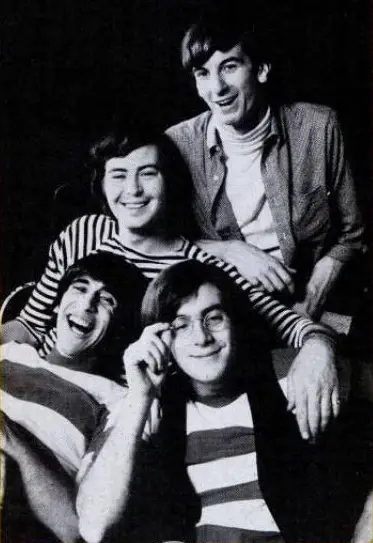
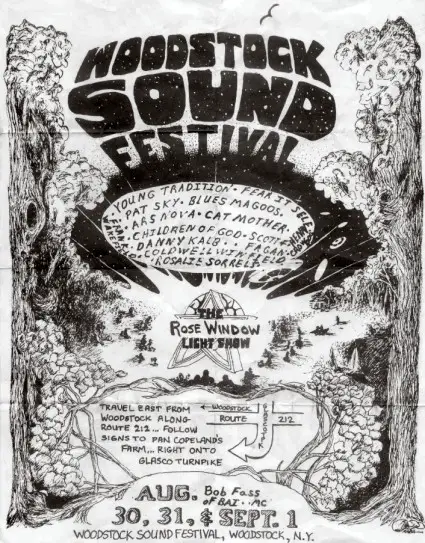
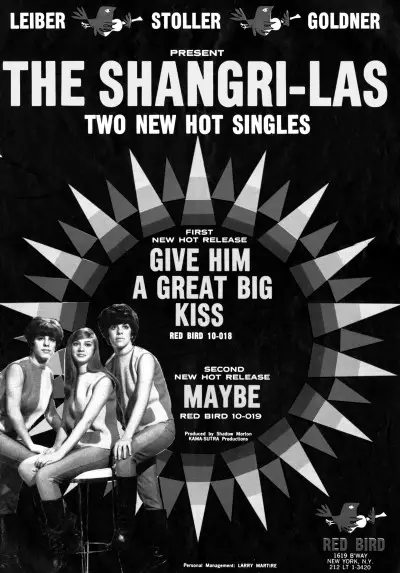
But the heart and soul of Cohen’s read are his profiles of the artists who emerged from the New York area to shape rock and roll in the decade and beyond. He provides detailed histories of the rise (and sometimes the fall) of well-known acts like The Rascals, The Lovin’ Spoonful, and Simon & Garfunkel, as well as lesser-known but artistically worthy names like The Blues Project, The Vagrants (featuring Leslie West of Mountain), Vanilla Fudge, The Left Banke, and The Flying Machine (pre-fame James Taylor). Cohen also offers a colorful account of underground acts like The Fugs and The Velvet Underground, as well as the emerging jazz-rock scene, featuring artists such as pioneering fusion guitarist Larry Coryell and his band The Free Spirits. He also traces the rock festival’s origins in his discussion of Woodstock ’69 and The Harlem Cultural Festival. The latter, the so-called, much smaller “Black Woodstock,” was the subject of Questlove’s Academy Award-winning documentary, Summer of Soul.
As with all of Cohen’s books, there’s a steady stream of trivia you can deploy at parties to one-up your friends. Before the television show The Masked Singer, future Starsky and Hutch TV show star David Soul sang on The Merv Griffin Show, masked as the “Covered Man.” And while I knew this, the author discusses a true vinyl oddity, The Sensational Guitars of Dan and Dale. This was a quick cash grab produced by Tom Wilson (Velvet Underground, Frank Zappa) that features Batman-themed music performed anonymously by members of The Blues Project and avant-garde jazzers Sun Ra and his Arkestra.
Cohen closes the book with something that will make all this history resonate: a list of 100 albums and 100 45s to listen to to transport you to this remarkable era in Big Apple music.

Comments are closed.