
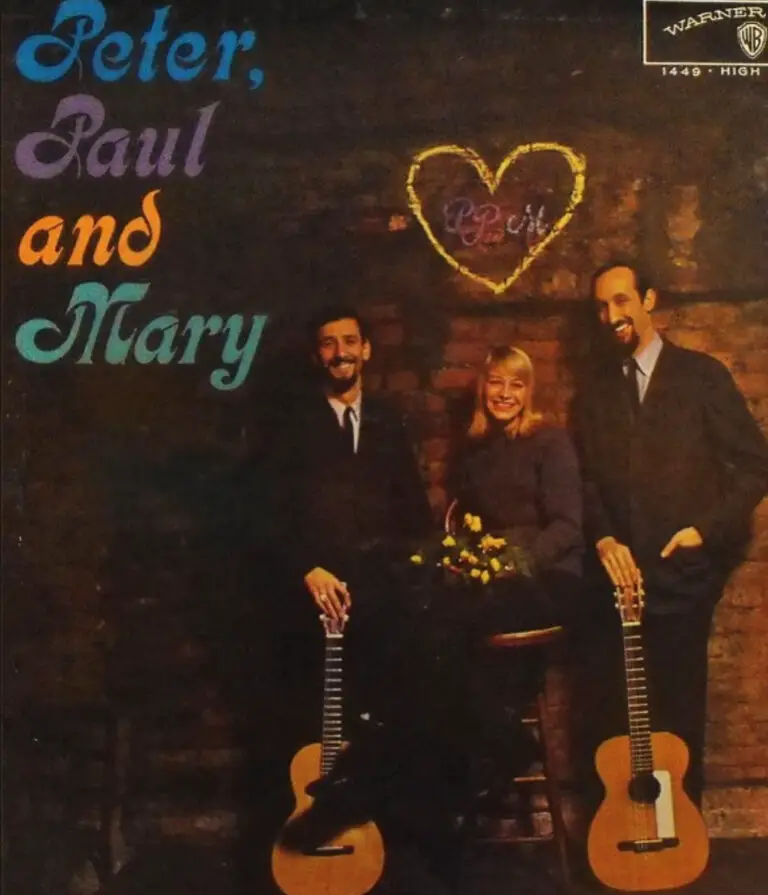
Peter, Paul, and Mary are an American folk music trio best known for their folk music and unique, soothing harmonies. However, the trio was also fundamental in the American folk music movement and its 1960s revival, and were heavily involved in social activism using their music as a motivator and catalyst for social change, particularly in Anti-War and the Civil Rights Movements.
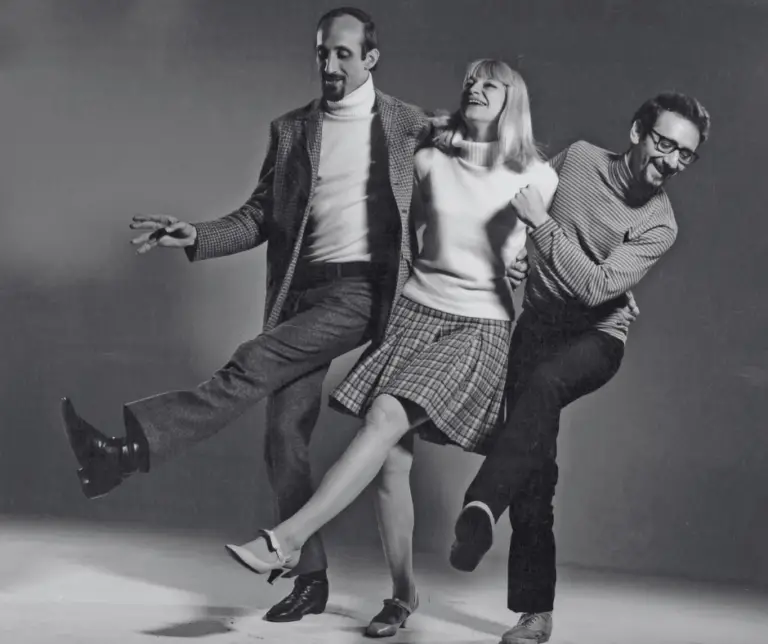
The trio formed in Greenwich Village in 1961, a space that had become the heart of the American folk revival throughout the 60s, with musicians and artists such as Bob Dylan, Joan Baez, and Phil Ochs. Albert Grossman, a talent manager, first brought the trio together under his management.
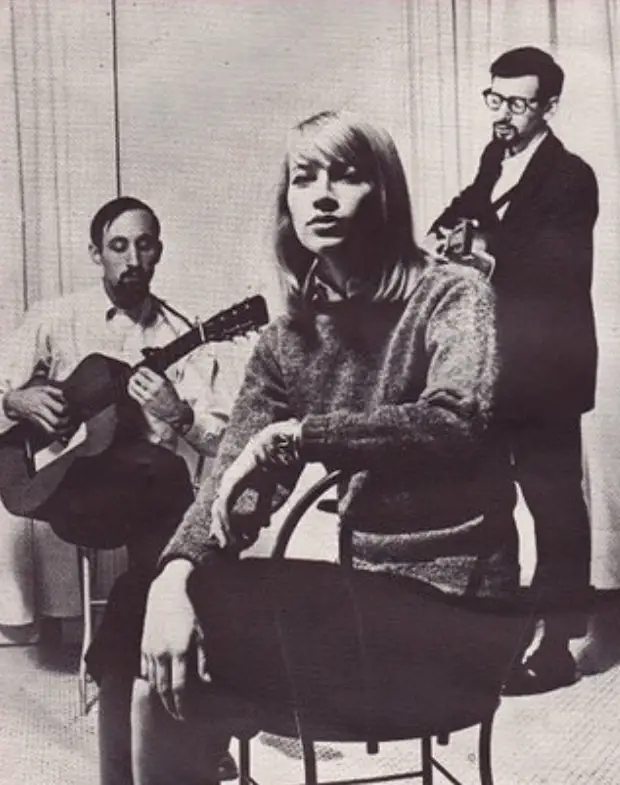
Mary Allin Travers (Mary) brought an essential element to the trio with her high-pitch voice. According to The New York Times, she was known for her “ringing, earnest vocals.” The New York Times also highlighted that with “her straight blond hair and willowy figure and two bearded guitar players by her side, she looked exactly like what she was, a Greenwich Villager directly from the clubs and the coffeehouses that nourished the folk-music revival.”
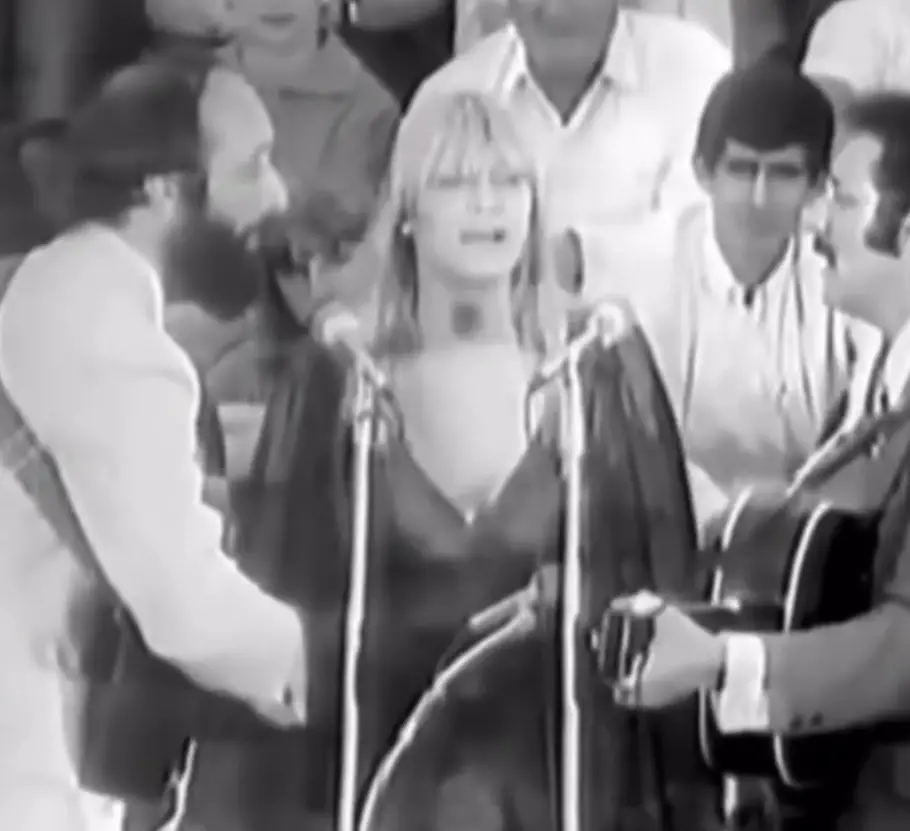
Mary was born in Louisville, Kentucky, and moved to Greenwich Village with her parents. She grew up immersed in folk music and met many musicians like Pete Seeger and Paul Robeson when she was very young. When Mary was only in the 11th grade, she left school to join the Song Swappers Folk group, who sang backup for Pete Seeger, which led her to Peter and Paul.
Peter Yarrow (Peter) was born in Manhattan and grew up in the City, attending New York’s High School of Music and Art, and later Cornell University, where he began his musical career. Peter is mostly known for his leading vocals in the trio’s recordings of “Puff the Magic Dragon” and “The Great Mandala.”
Noel Paul Stookey (Paul) was born in Maryland and joined Peter and Mary after they had begun to sing together. Paul continued with his music career after the trio broke up and had a lot of success with his album Paul And. Paul and his daughter, Elizabeth Sunde, later founded the nonprofit Music to Life in 2000, which assists in using music to educate, recruit, and mobilize social activism and movements.
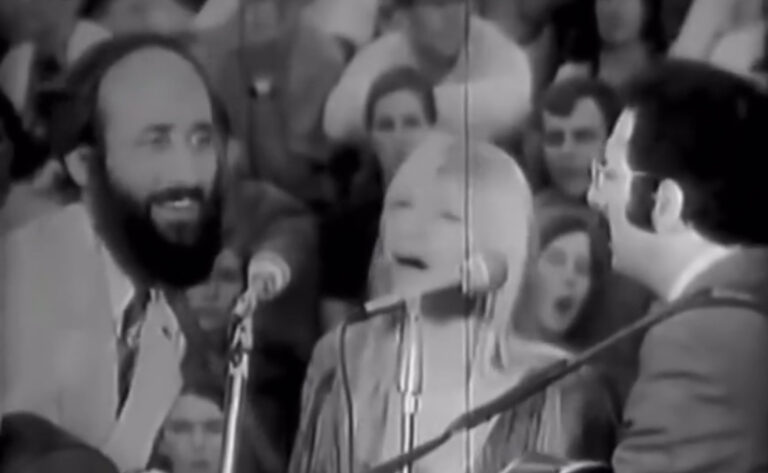
The trio was extremely influential in making folk music more mainstream, rather than a niche genre performed in coffeehouses, which was common in Greenwich Village. Their music employed acoustic sounds and vocal harmonies that gave it a warm, authentic feel, resonating with many listeners then and now. Their work to popularize folk music and bring it out of Greenwich Village was pivotal in reviving American folk music.
Caffe Lena, a historic venue in Saratoga Springs that has celebrated folk music for decades, witnessed Peter, Paul, and Mary’s role in the folk revival and bringing folk out of Greenwich Village. An interview with NYS Music and Joseph Deuel, who did sound for both Peter and Paul and still works at the venue, gave a unique description of what it was like to witness Peter and Paul on stage.
Deuel described the warmth that Peter and Paul brought to the stage, often interacting with the audience and even bringing audience members up on stage. He commented that Peter and Paul “had a certain familiarity about them,” and that “they were always memorable.”
As Deuel watched them perform and interact with the audience, he recognized the extent to which they were able to connect with people. Deuel highlighted that, “certain people have a really charming public mode and the reality is different, but for those two, they were really themselves on stage and are really genuine.”
On top of their involvement in the Folk music revival, they were also heavily involved in social activism. The trio’s website highlights how the group came together “to reclaim folk’s potency as social, culture, and political force,” and that they sent a “message of humanity, hope and activism would be embraced.”
Deuel also commented on the group’s activism, stating, “There were always songs and the band’s history was very activist and pretty radical for the time,” and further highlighting that the group’s involvement in social activism was “a permanent part of them.”
More specifically, the group’s most notable songs, “If I Had a Hammer,” “Blowin’ in the Wind,” and “Where Have All The Flowers Gone,” comment on social issues, including civil rights and anti-war. Through the popularization of their own songs, they were able to popularize protest songs and ultimately wage social activism.
Most notable in the trio’s involvement in social activism, the group performed at the March on Washington in 1963, where they sang “Blowin’ in the Wind,” and “If I Had a Hammer,” on the steps of the Lincoln Memorial. Their involvement assisted the Civil Rights Movement, and solidified a connection between the folk revival movement and the Civil Rights Movement, continuing to illustrate music’s ability to protest.
Despite the trio breaking up in 1971, each member continued to be involved in the music world to some extent. Noel Paul Stookey (Paul) is the only surviving member of the group, as Mary passed away in 2009 and Peter in 2025. The trio can be remembered not only for their beautiful music and harmonies but also for their contributions to Social Activism.
Comments are closed.