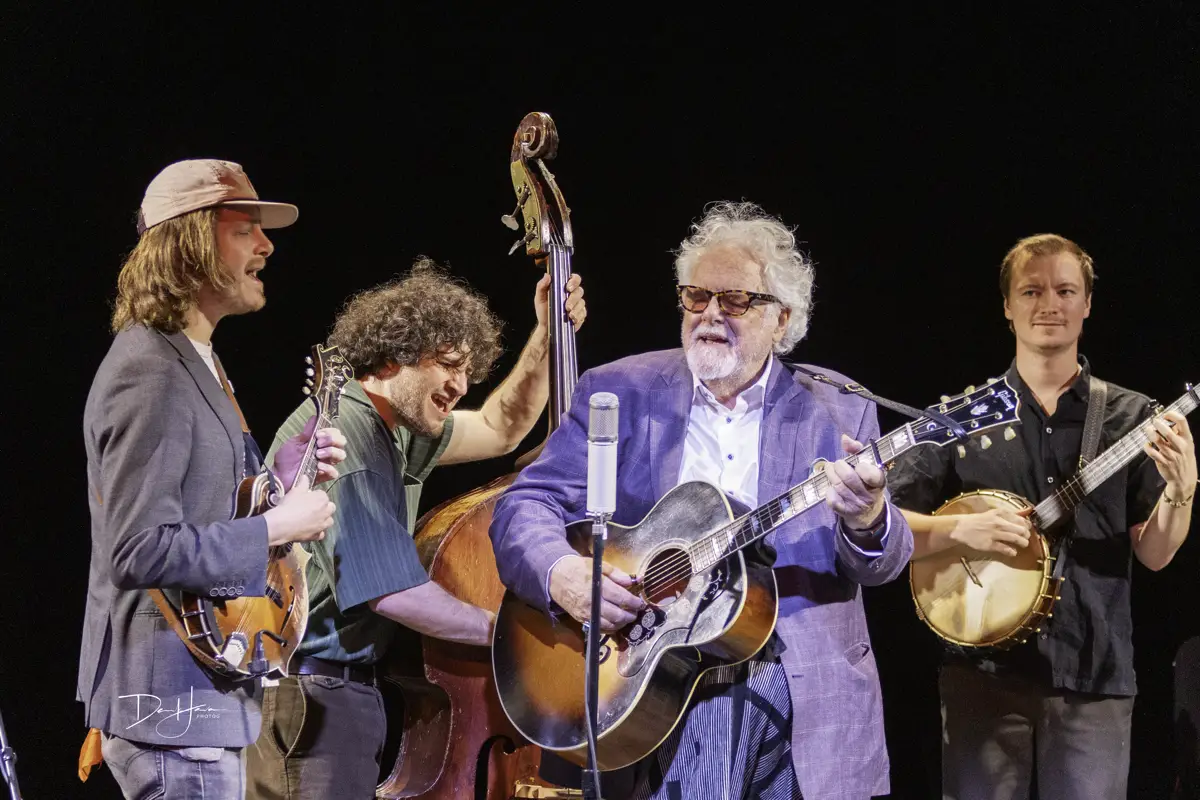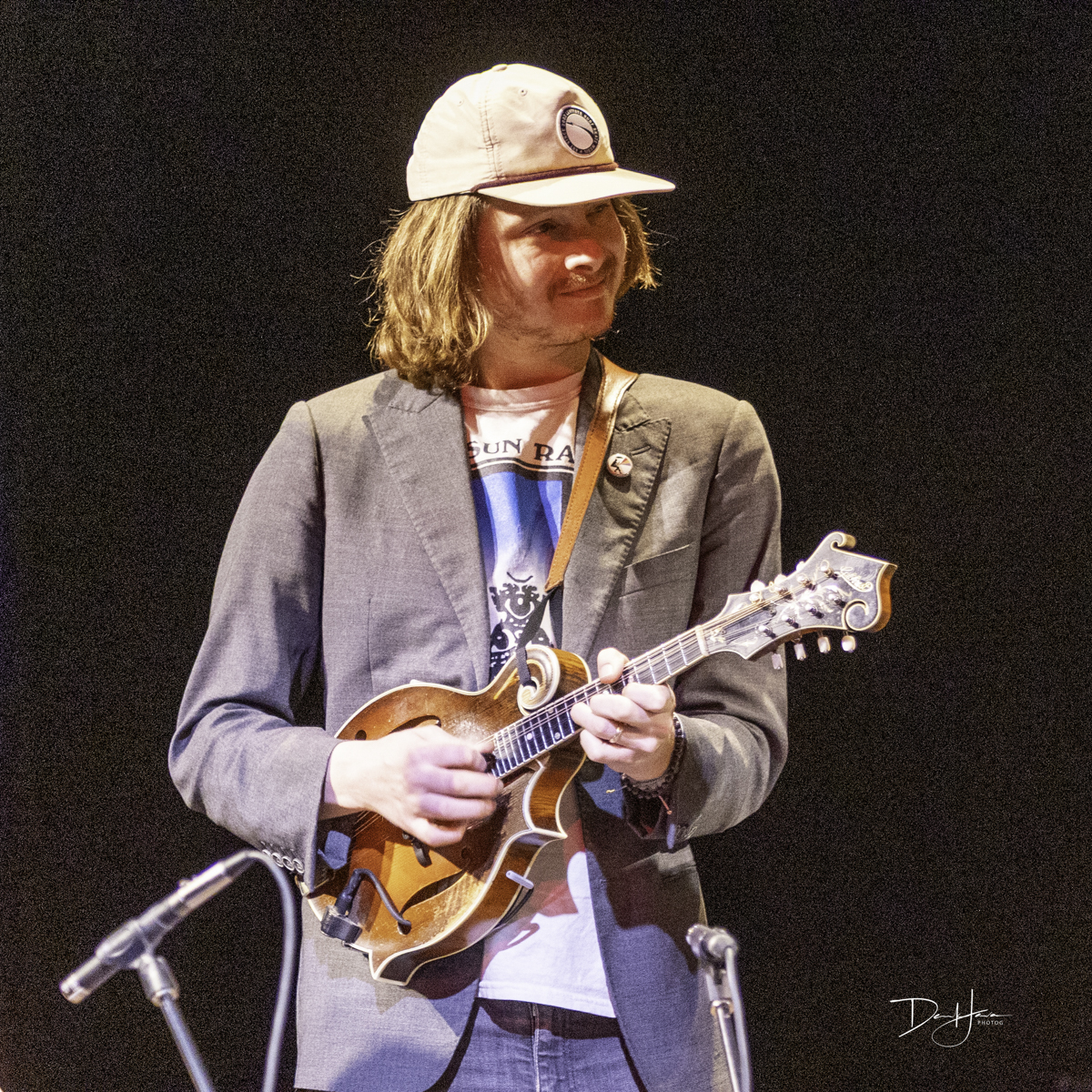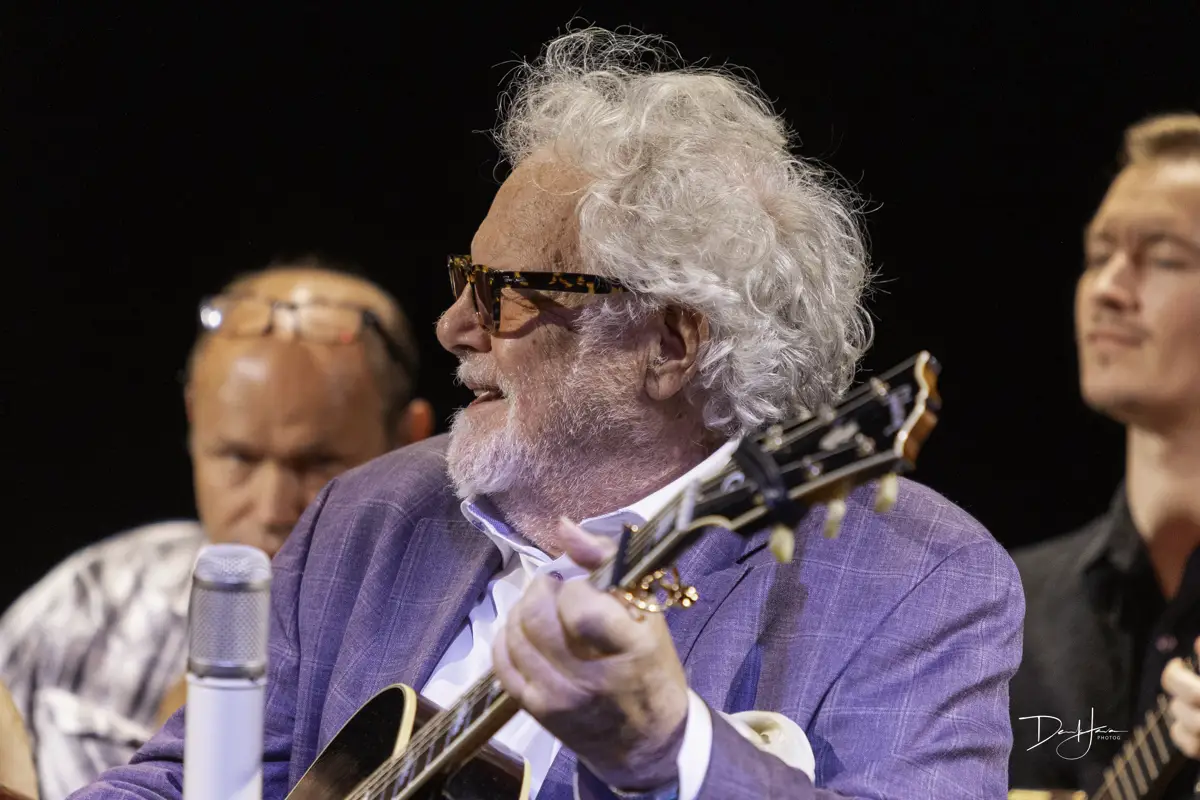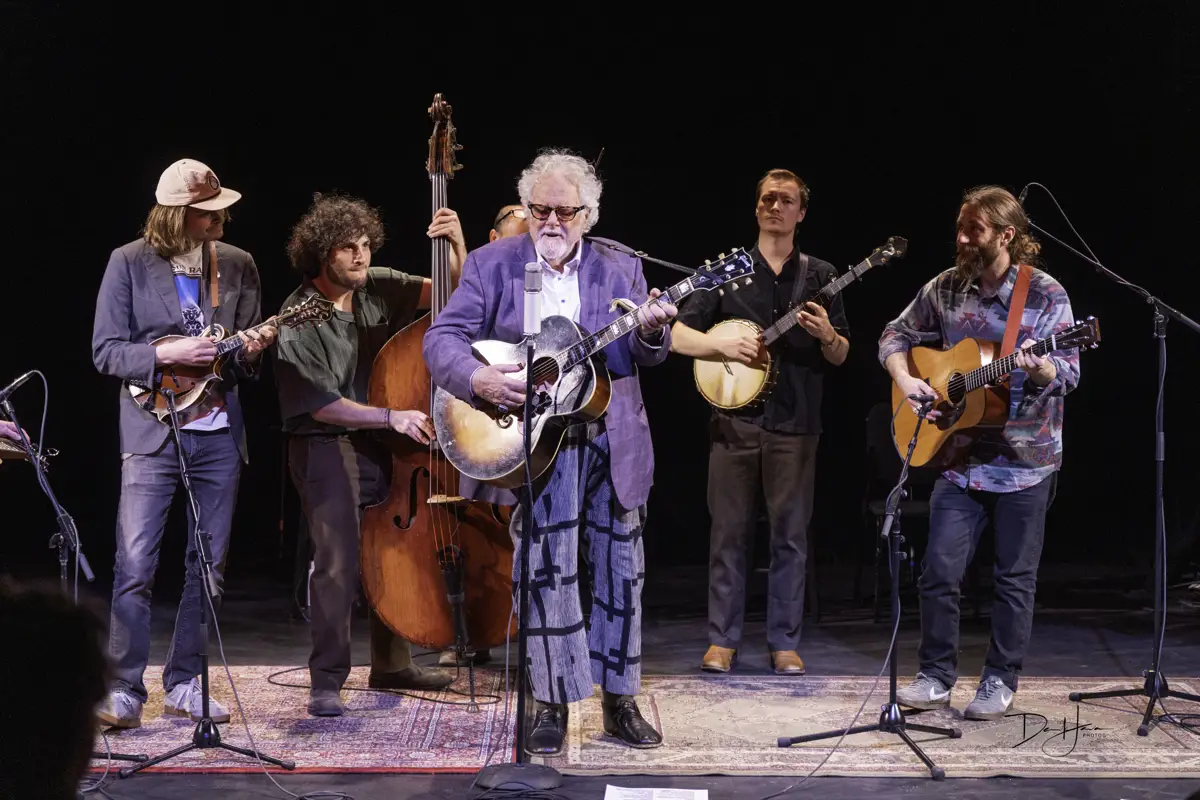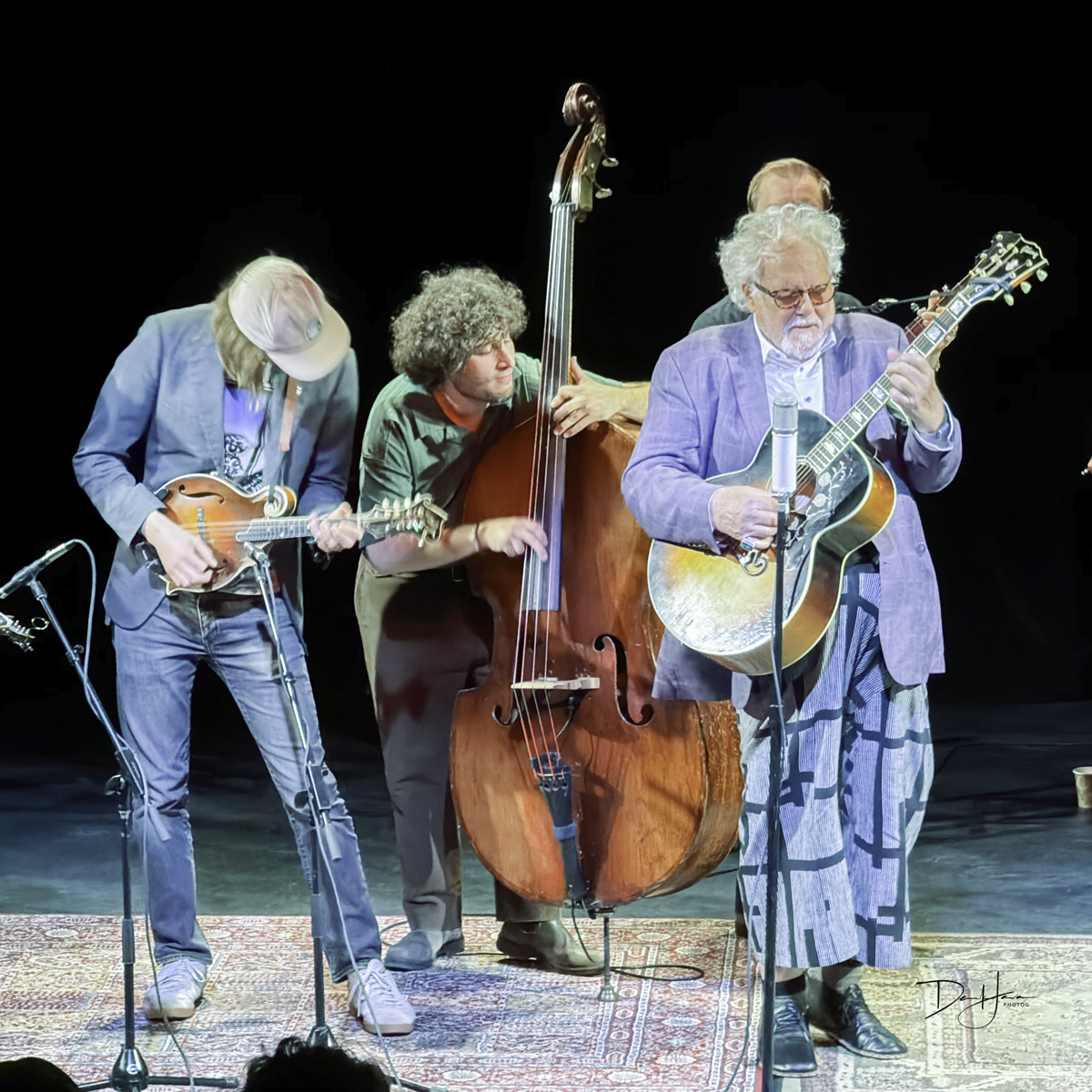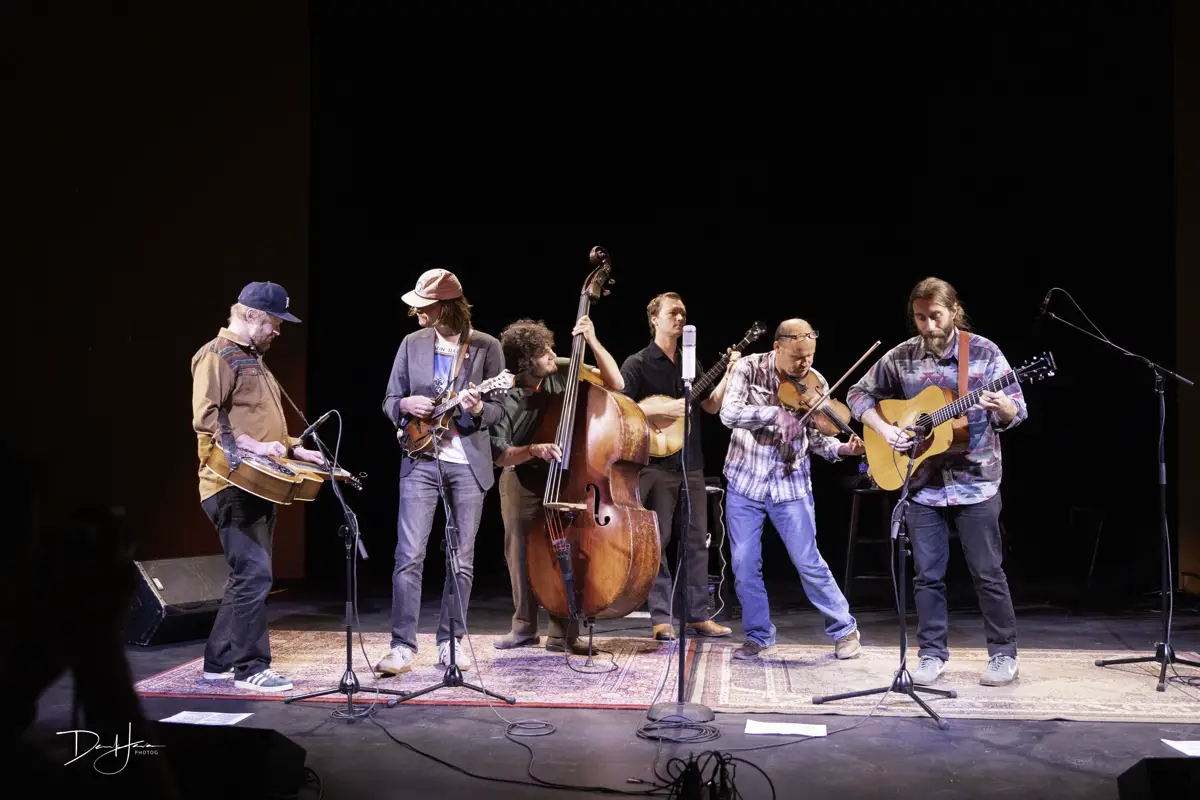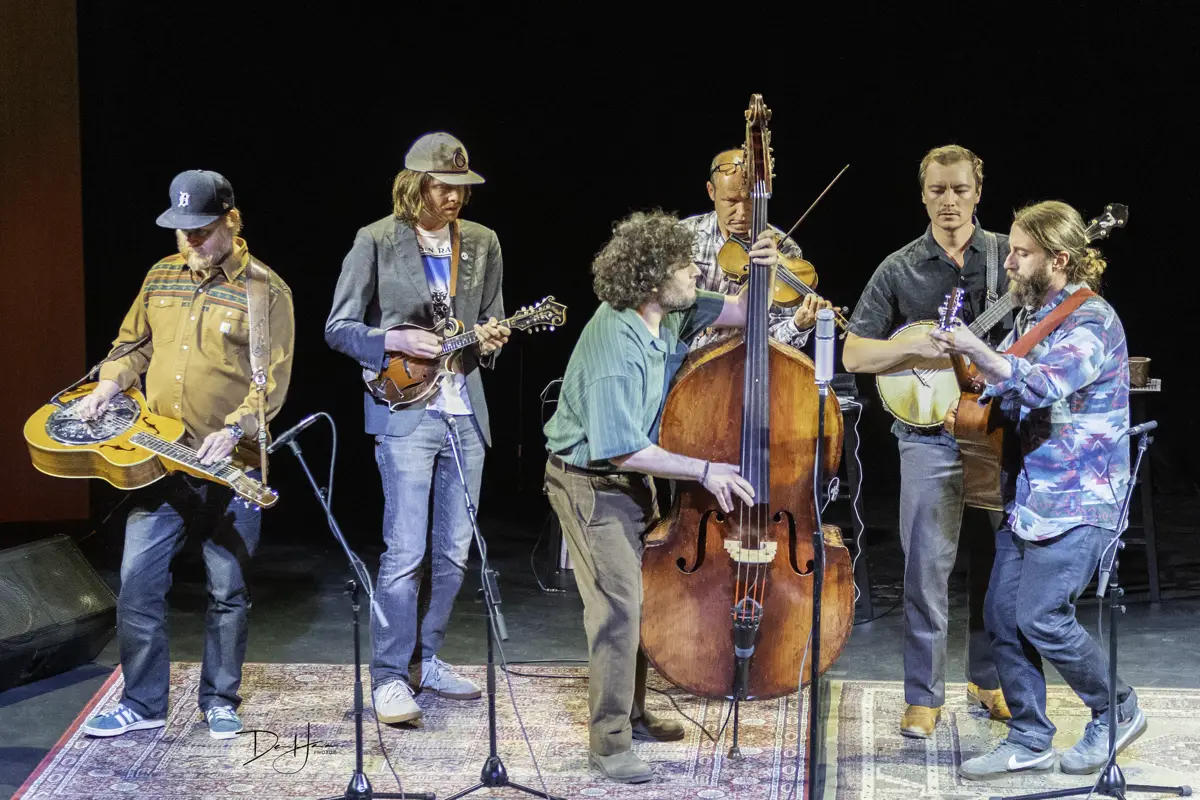
In a set that leaned heavily on traditional bluegrass arrangements of Grateful Dead and Old and in the Way material, Sam Grisman Project, with special guest Peter Rowan, were a perfect match for the impeccable acoustics of The Egg’s refurbished Swyer theatre.
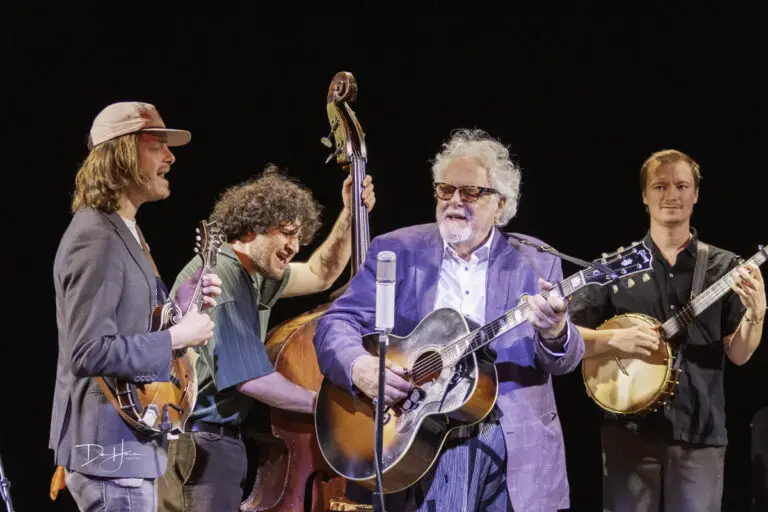
Grisman and this six-piece incarnation of the project kicked off the Friday, March 27 Albany show with a JGB-influenced take on the Bruce Cockburn-penned “Waiting for a Miracle.” The opening number featured soulful vocals from guitarist Max Flansburg and made me think that if anyone did score a miracle ticket to this show, they were darn lucky — the 450 seat venue was sold out.
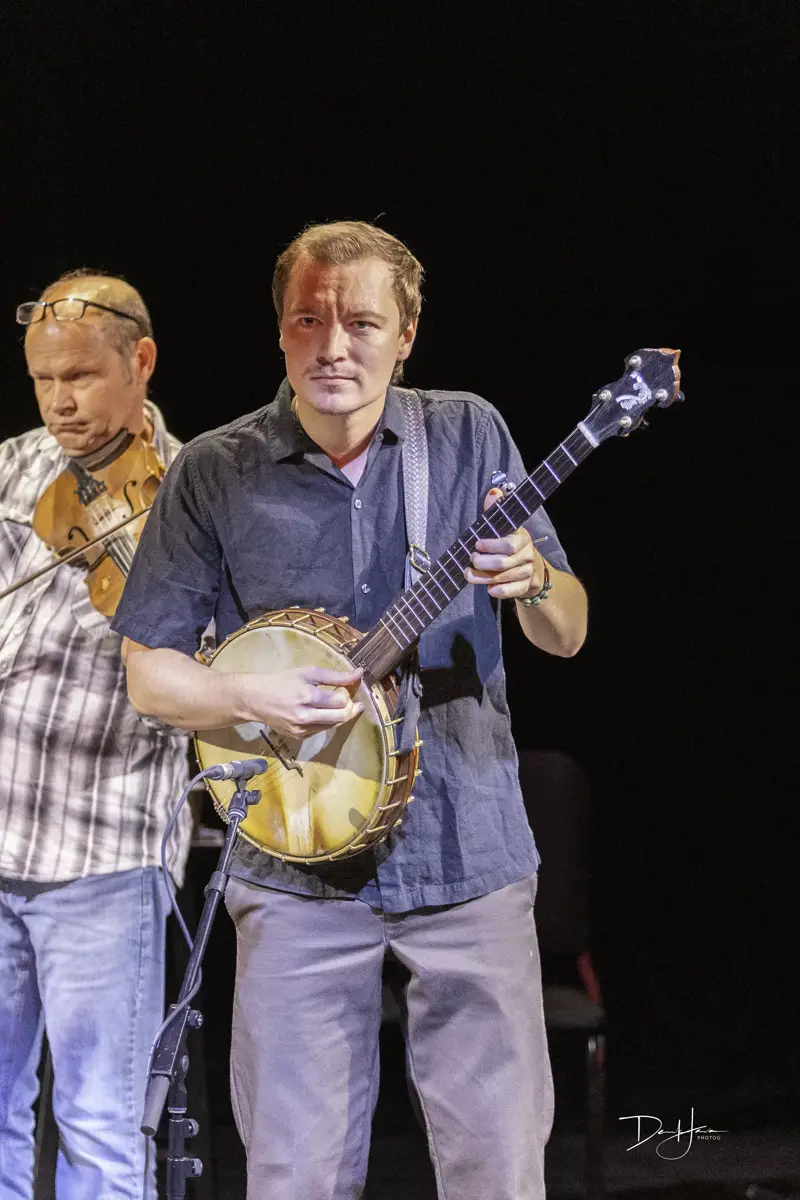
A bluesy take on the haunting “Red Rocking Chair” was minor-key goodness with bluesy vocals from Grisman and notable clawhammer banjo contributions from Steve Martin prize banjo player Victor Furtado. A gorgeous take on “Peggy-O” followed to the delight of the many Deadheads in attendance (I counted dozens of Stealies while the house lights were still up). Instead of spinning in the aisles, the crowd was in reverent hippie coffee house mode. Bob Dylan’s music always shines in such a setting, and “Wicked Messenger” was another of many perfectly chosen covers in the set — a Dylan deep cut that was played by Garcia, and has just the perfect riff for Shad Cobb’s fiddle.
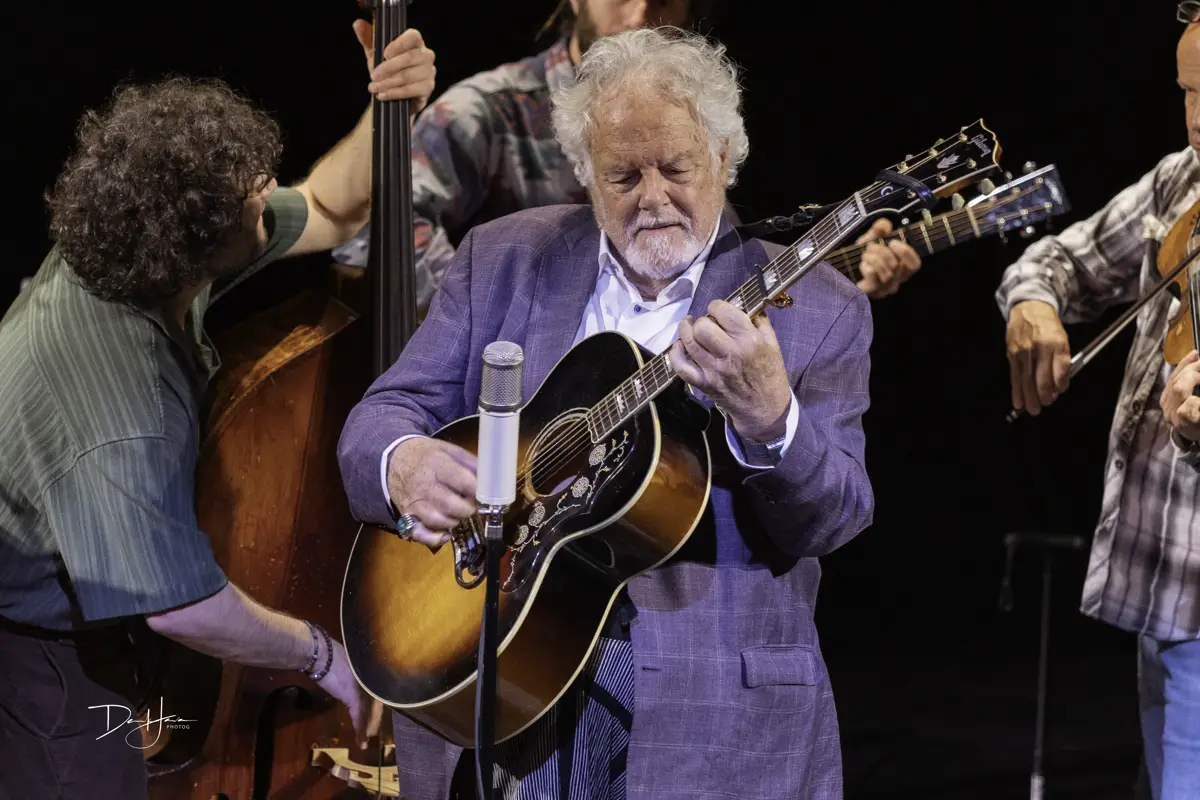
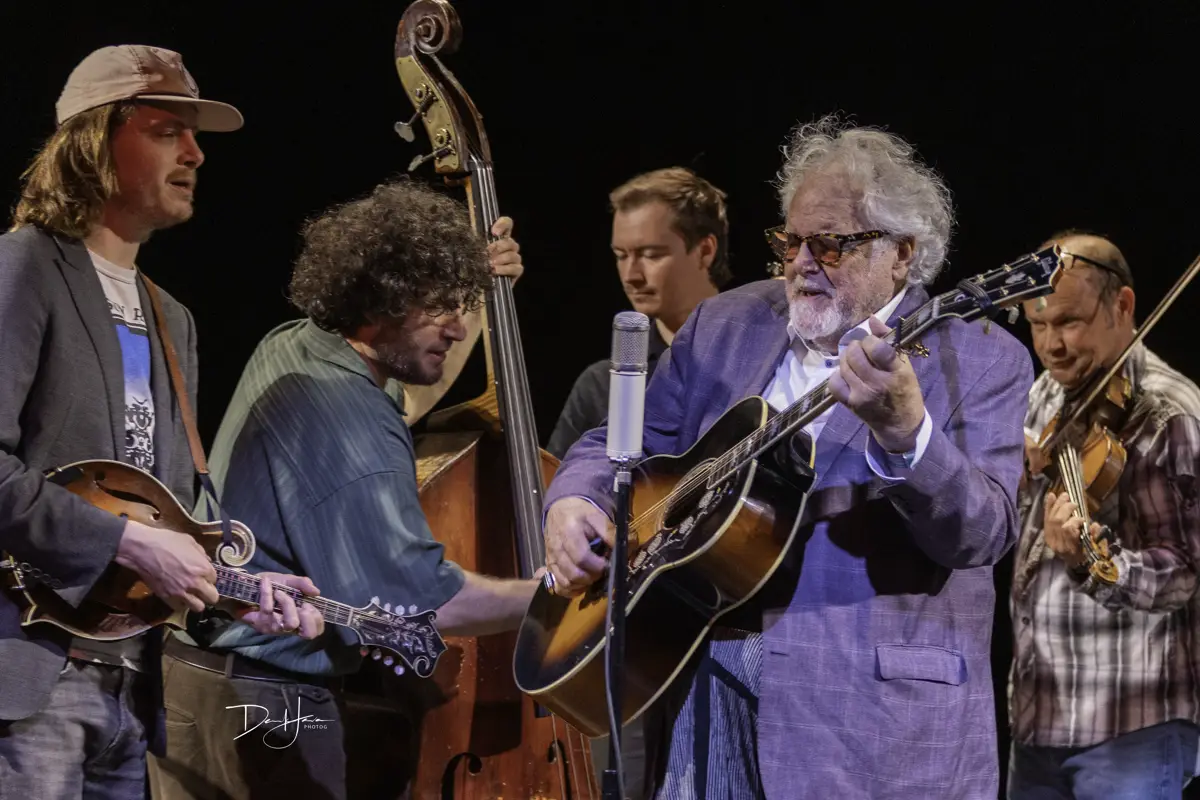
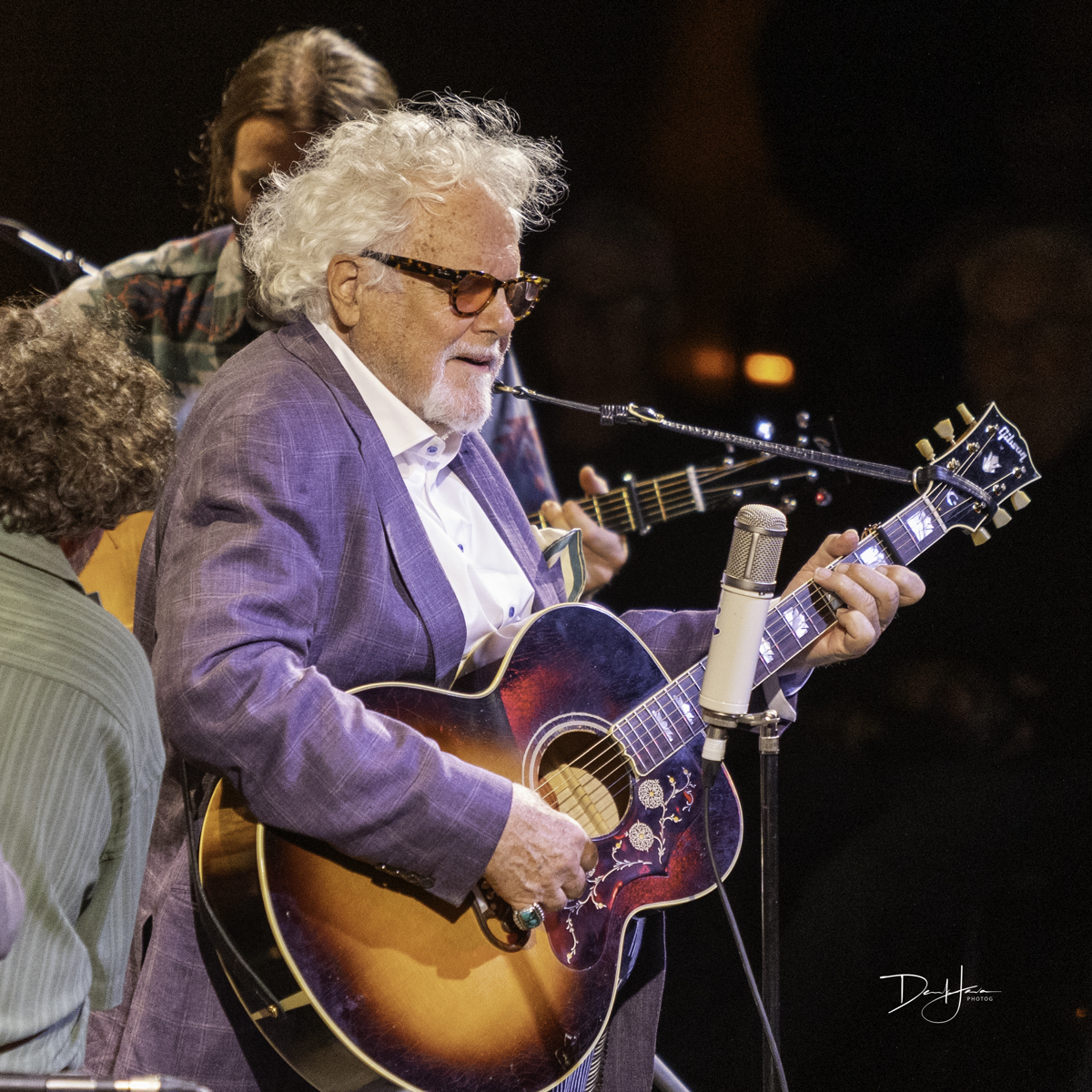
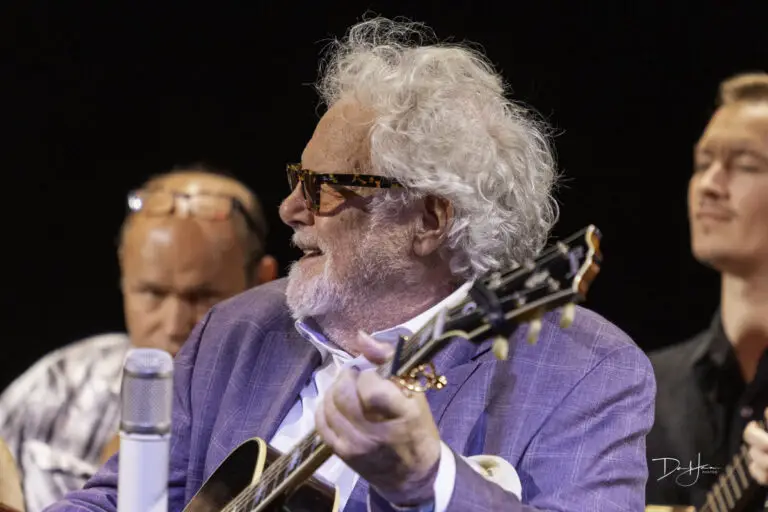
After the room was sufficiently warmed up, Peter Rowan joined “the boys” to a standing ovation. The original Old and In The Way founding member is truly bluegrass royalty. Now 83 and playing with guys less than half his age, Rowan wasted no time playing his signature high times tune, “Panama Red.” But it was on “Lonesome LA Cowboy” another Old and In The Way set staple (made more famous by The New Riders of the Purple Sage) when Rowan’s reedy voice matched the weary subject matter of the song. It was close your eyes and pinch yourself stuff – Rowan’s years melted away and it might as well have been a 1973 show at The Boarding House in San Francisco.
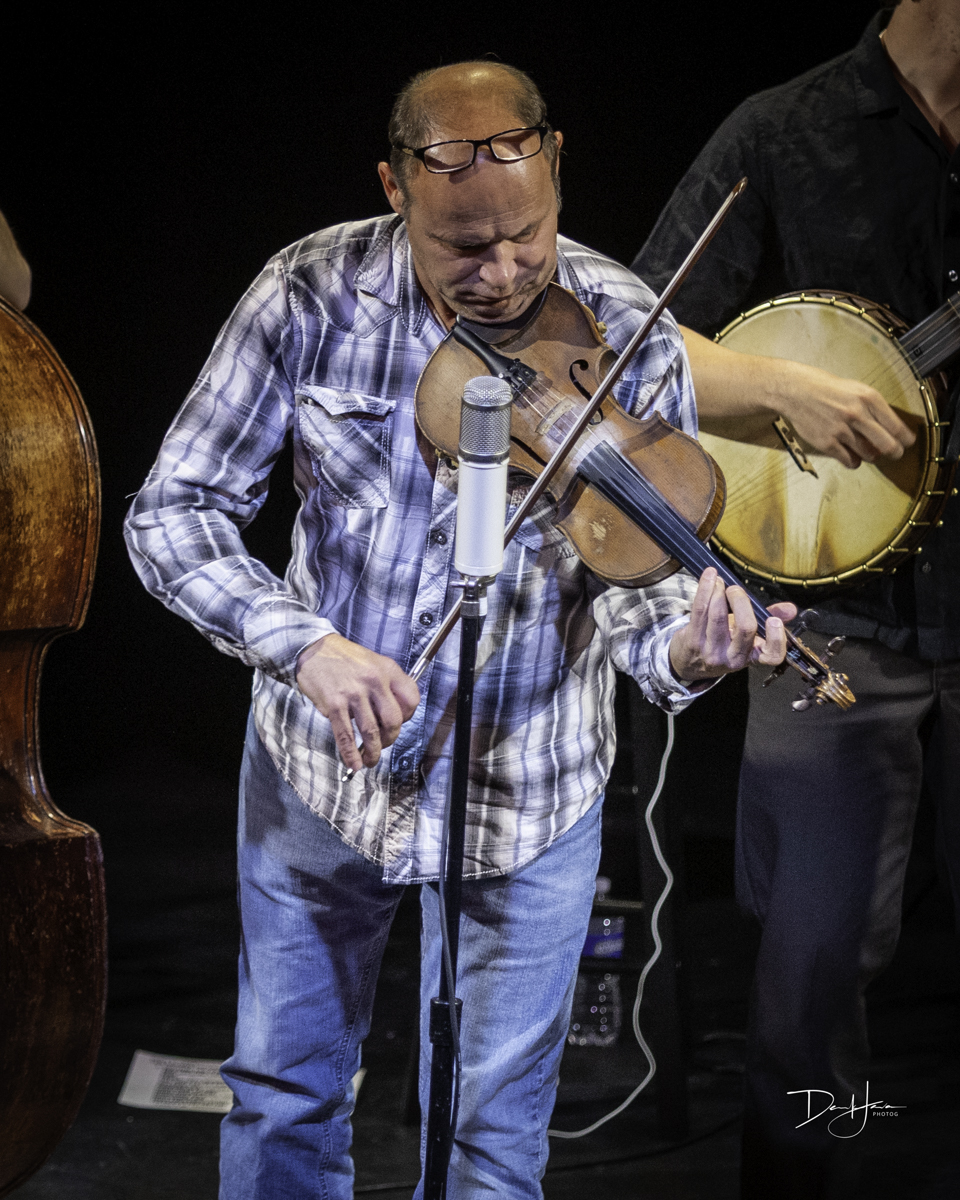
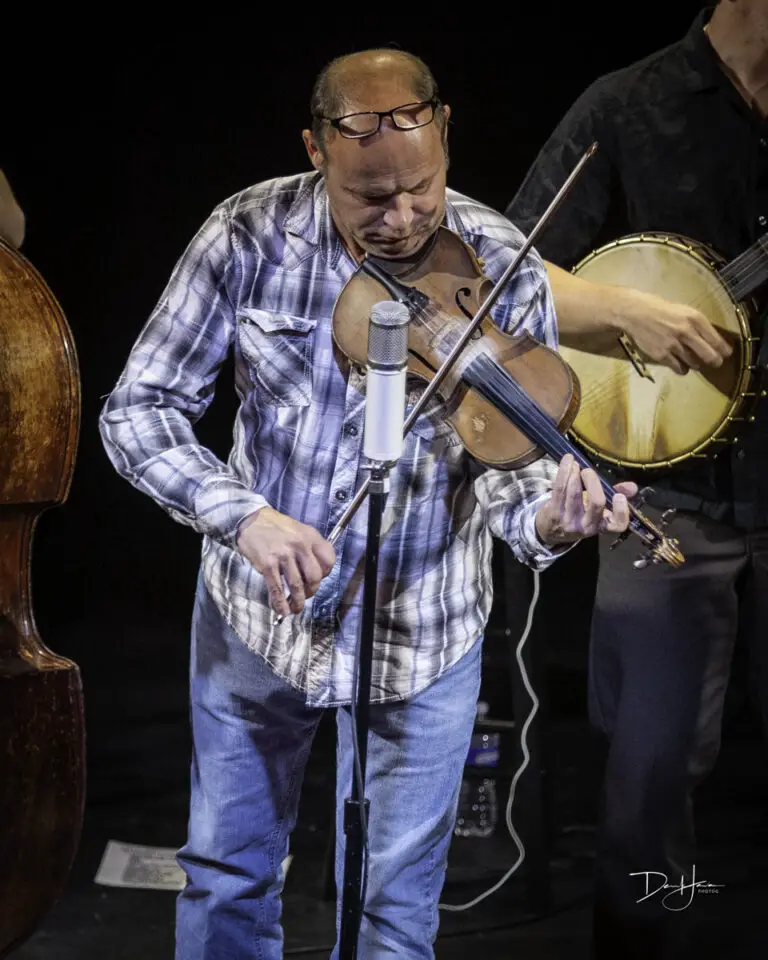
The last third of the first set featured Grisman’s group of crack young bluegrass instrumentalists. “Hard Hearted” showcased a number of dextrous rolls on the banjo from Furtado and the instrumental “Kissimmee Kid” found Shad Cobb in full Vassar Clemens mode. Like Clemens, Cobb is older than the rest of his band members and he looks a bit unassuming, playing the entire show with a pair of glasses perched atop his bald head. But make no bones about it — when Shad Cobb steps to the condenser mic, he becomes a bad, bad man with a fiddle in his hand.
Before launching into “High Lonesome Sound,” Rowan gave the crowd what they really wanted: an insider’s story about the early days of Old and In the Way. Apparently Rowan, Garcia, and Grisman were looking for a fiddle player for some east coast gigs with Old and in the Way. They’d played some with John Hartford and Richard Greene, members of their own generation, but neither was available to tour. Turned out that Rowan had an old piece of paper with Vassar Clemens phone number on it tucked into his wallet for safe keeping. He called Vassar up and introduced himself. “I know who you are,” was Vassar’s response. Rowan told the fiddle master he was playing in a band with Jerry Garcia and David Grisman. Again, “I know who you are” was the response. Rowan went on to explain that they were in a predicament and needed a fiddle for some east coast shows. “Just send me the plane ticket” was Vassar Clemens’ response, and the rest was hippie bluegrass history.
That history is infused with the DNA and upbringing of Sam Grisman who hung out in his childhood living room while his dad, mandolin virtuoso David “Dawg” Grisman, jammed with the likes of Garcia, Rowan, and a who’s who of pretty much every other important bluegrass musician of that generation. The Albany show was littered with Grisman’s references to musicians of the past. Of course Garcia and Dylan were name-checked, but so too were many musicians who might be entirely unknown if Grisman’s project doesn’t keep providing the service of educating just as much as it aims to entertain. The departed banjo wizard Bill Keith came up as someone who he associated with Upstate NY. Frank Wakefield, the mandolinist who spent many years living in Saratoga Springs was also conjured.
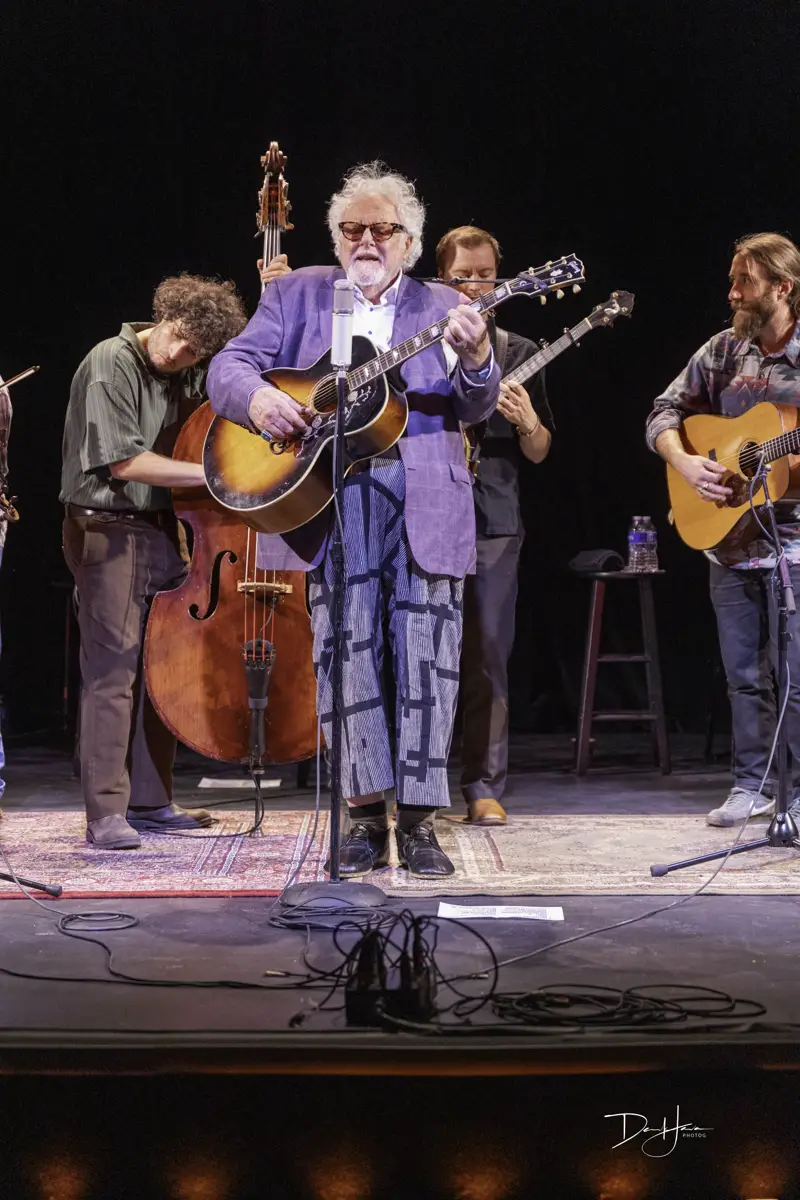
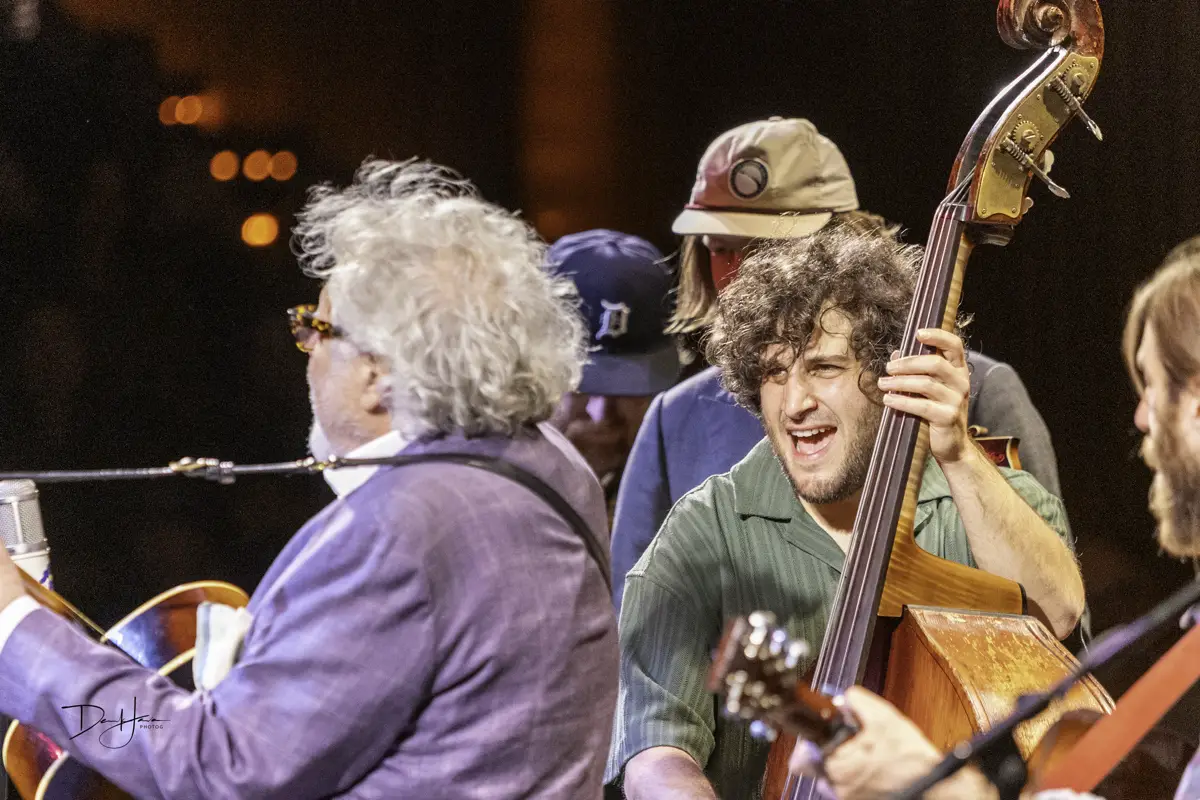
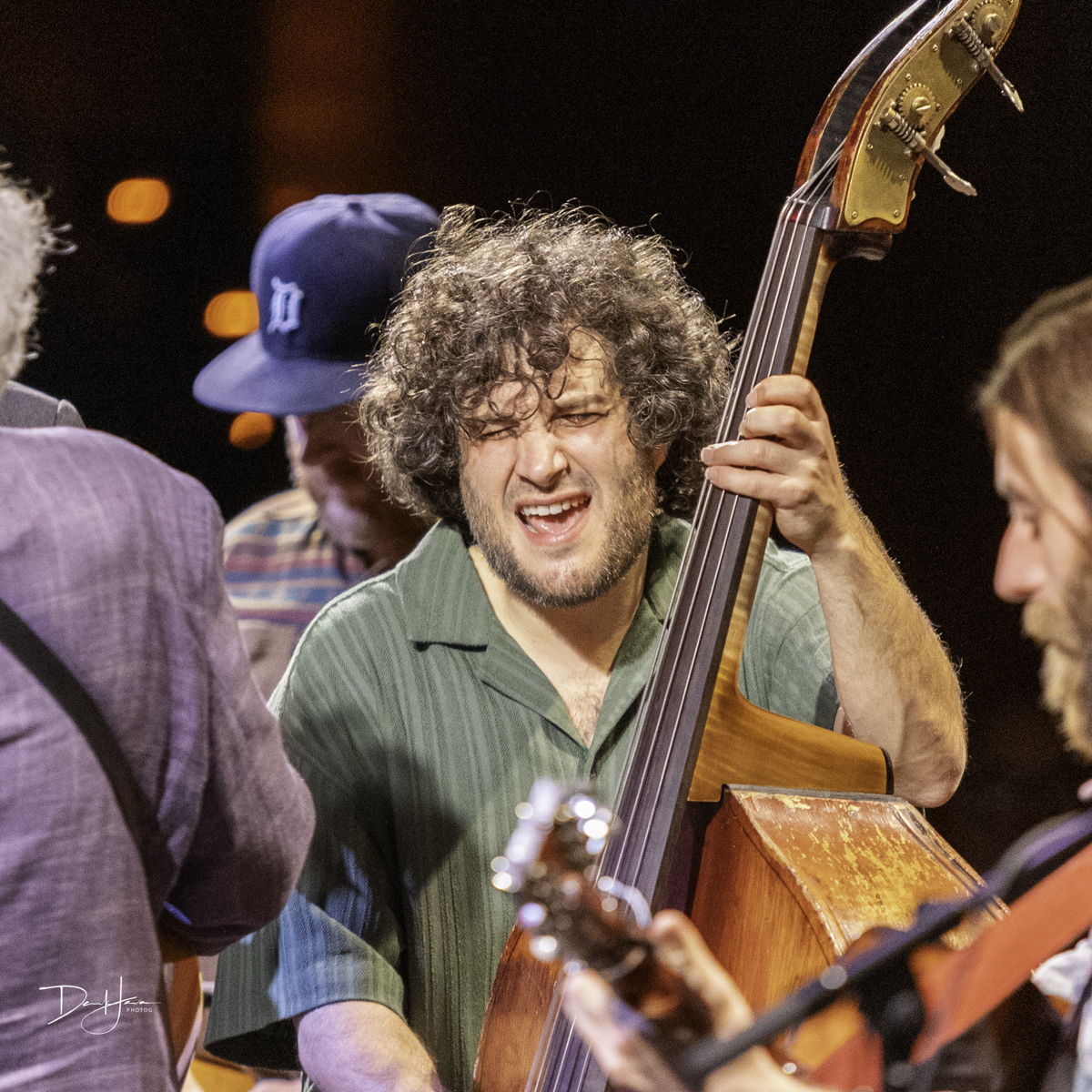
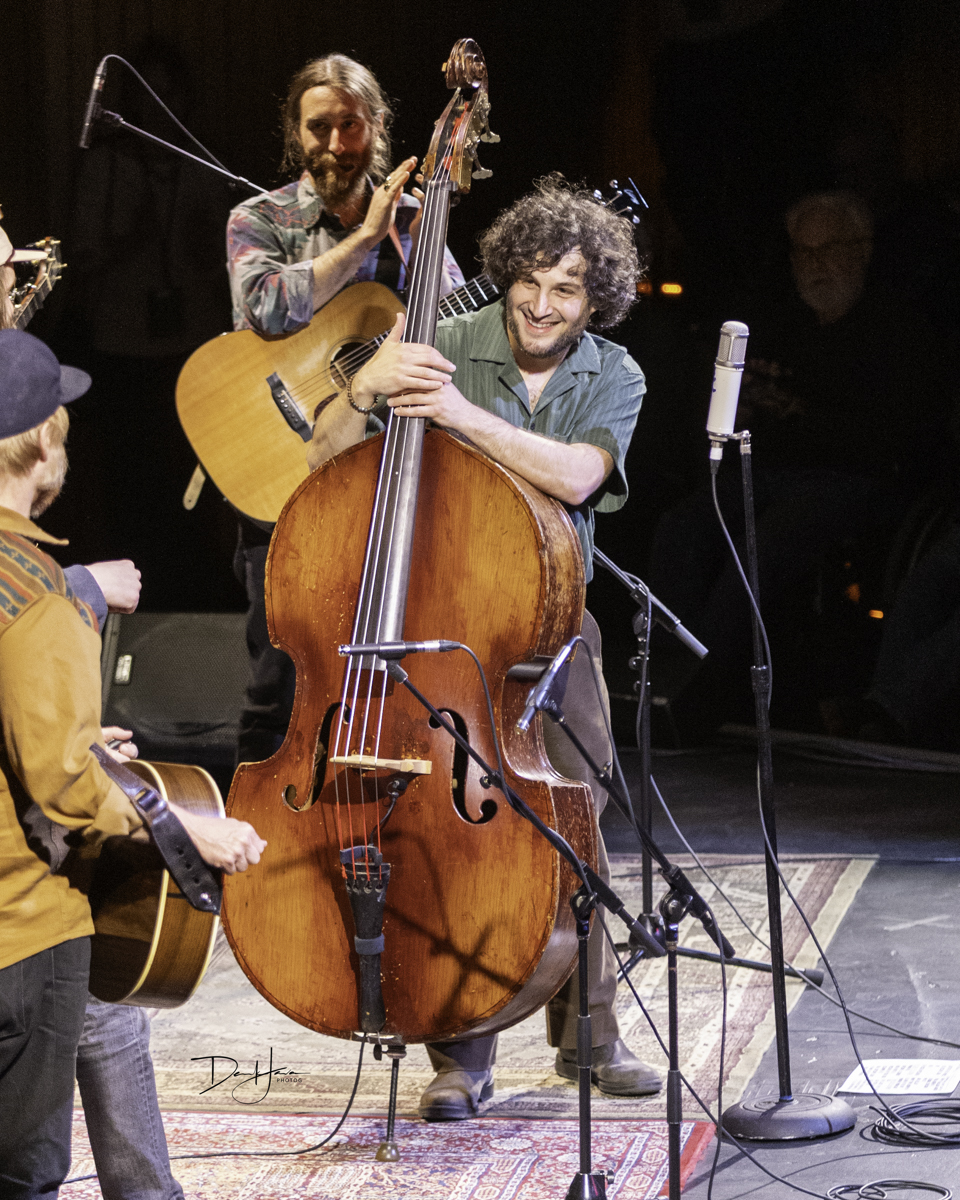
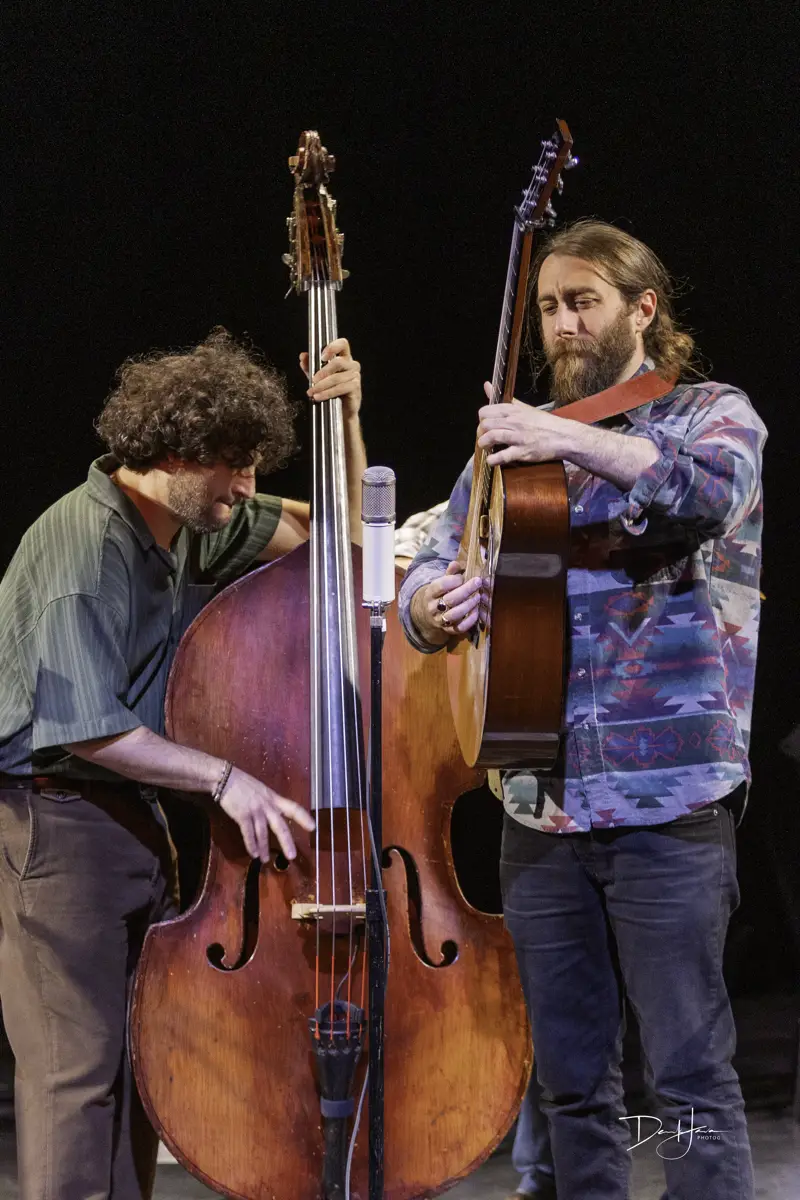
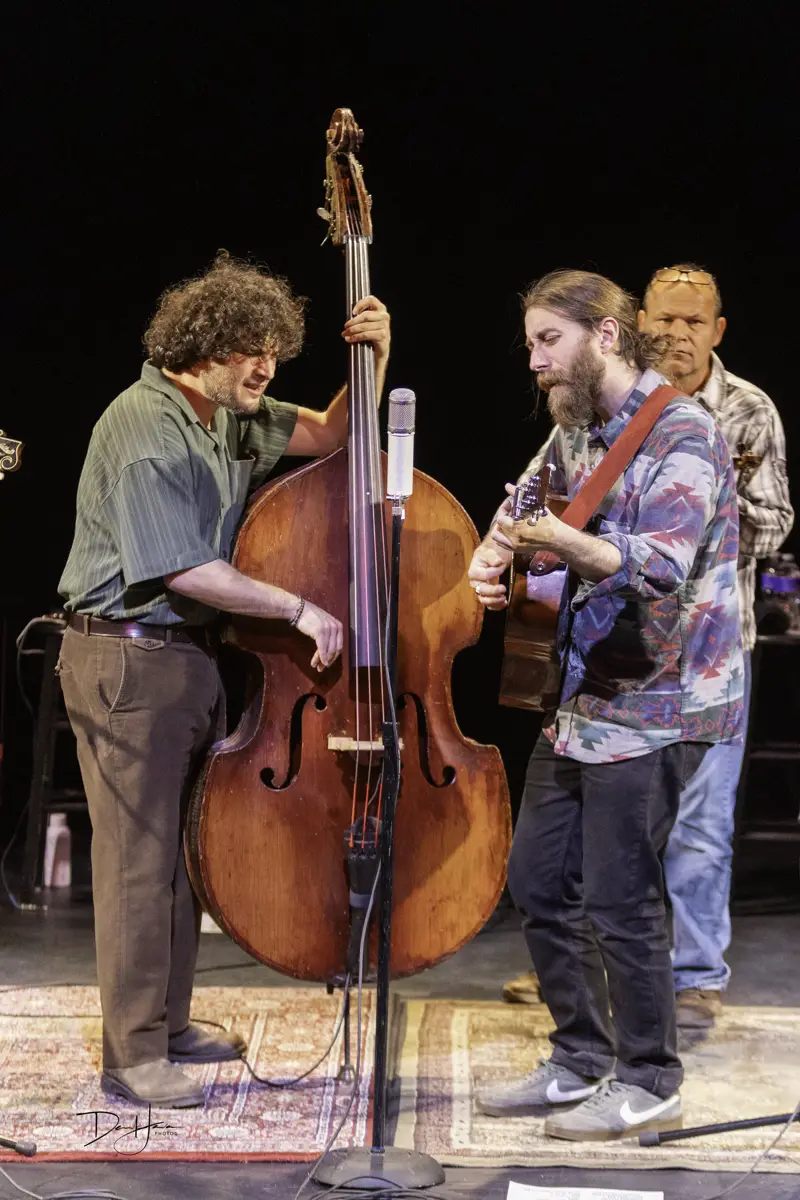
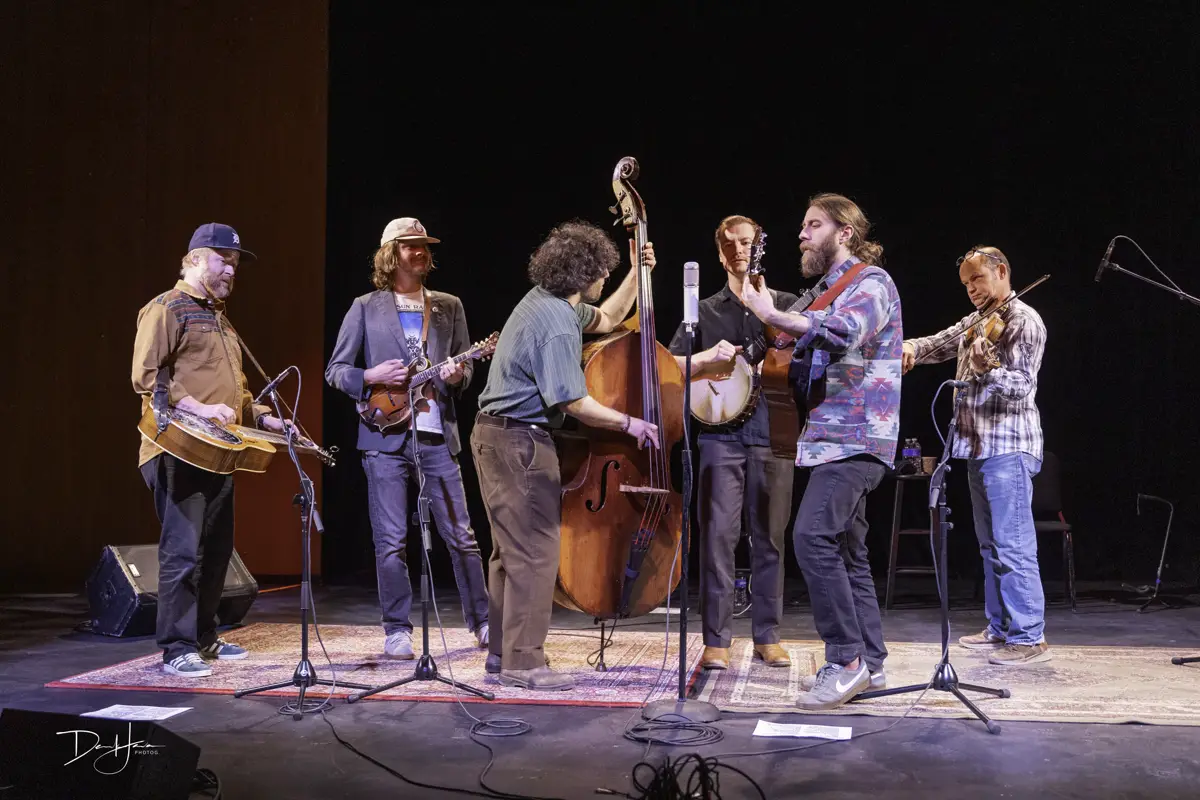
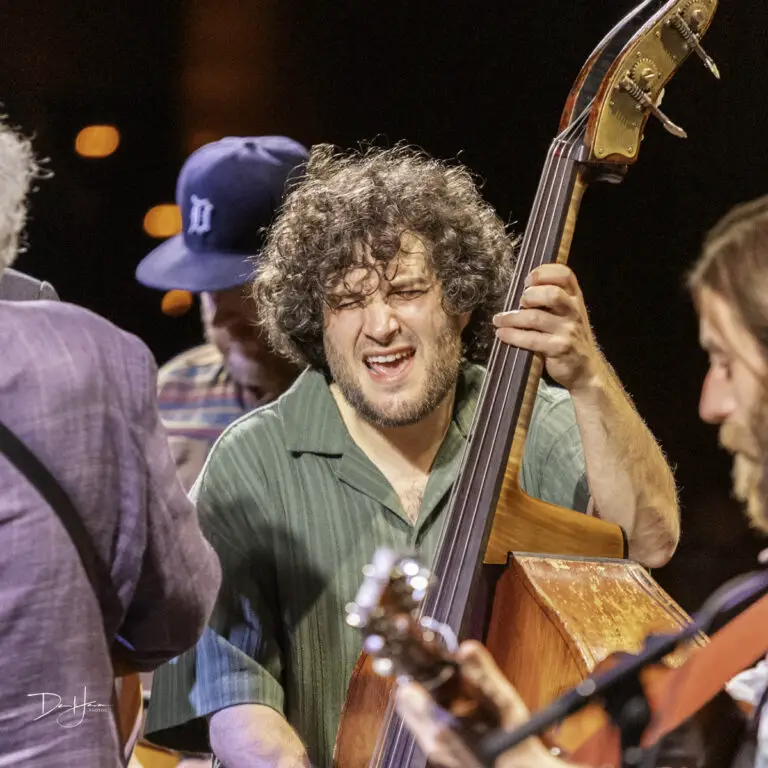
In the second set, Peter Rowan incarnated this history. A plaintive, traditional vocal take on “Cold Rain & Snow” accompanied only by Furtado’s banjo, opened the second set with more Dead-associated folk. Then the Bill Monroe band staple “Girl in the Blue Velvet Band” (my favorite Rowan vocal of the night) reminded the crowd of his early -1960s tenure with the Bluegrass Boys. Then Rowan’s own “Dust Bowl Children” suggested that his music stretches back into history longer than his 60-plus year career. On “Dust Bowl Children” in particular, which has been covered by the likes of Allison Krauss, you could see how much Grisman enjoyed playing Rowan’s music (he uttered “I just love that song” upon its conclusion). A mop of curly hair, hunched over his huge bass, Grisman humbly led the band all night like a conductor, swaying in the direction of a soloist to provide a cue or digging into his jazz-inflected bass runs. To great effect, he often used a slap-back style to create a driving rhythm without any drummer on the stage.
Grisman is still young at 35, but he’s an old soul with a deep commitment to keeping this music alive. Of course, with a name like Grisman, that means all manner of acoustic music styles. When Rowan took a breather in the second set, it was an opportunity to play some “Dawg Music,” David Grisman’s own genre that exists at the nexus of gypsy jazz, acoustic jam, and progressive bluegrass. The elder Grisman’s dubiously titled “Opus 57” featured the finest performance of the night from mandolinist Dominick Leslie. It’s not an easy task to be the featured mandolin in a group with a Grisman, but Leslie was more than up to the challenge, opening the tune with a beautiful tremolo, and then busting into the warp-speed melody with fingers flying and precise picking. The entire band seemed to delight in having Rowan seated on-stage. “We’re playing for you,” said Grisman in a gesture to the audience. “But we’re also playing for you,” said Grisman as he pointed to Rowan. He called the short stint of gigs supporting Rowan one of the great honors of his life.
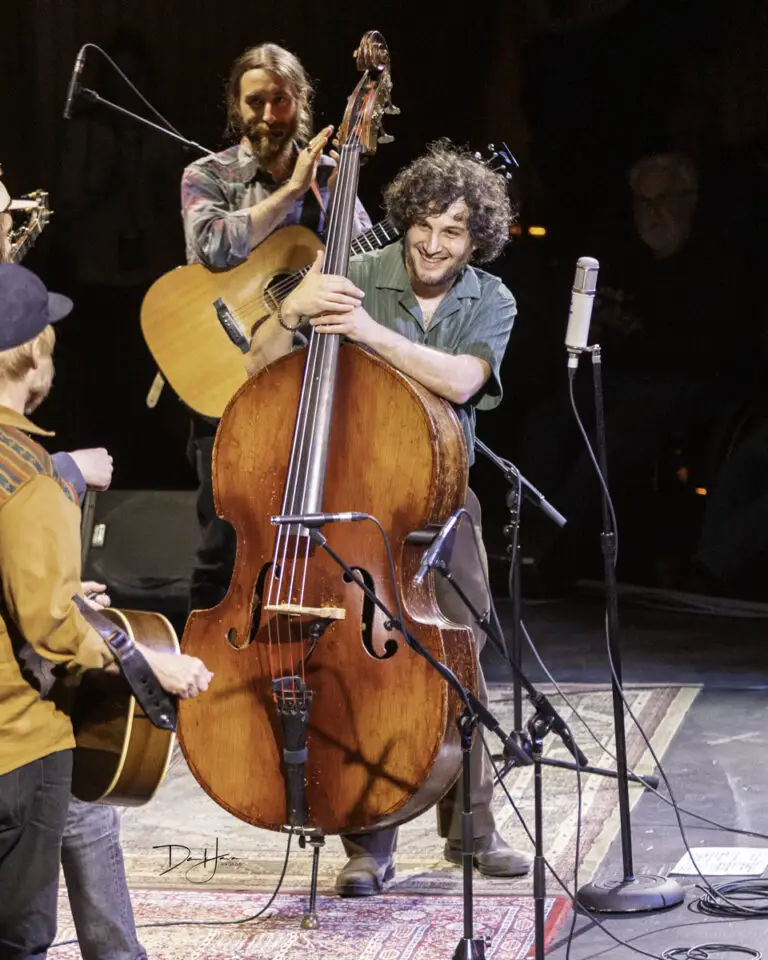
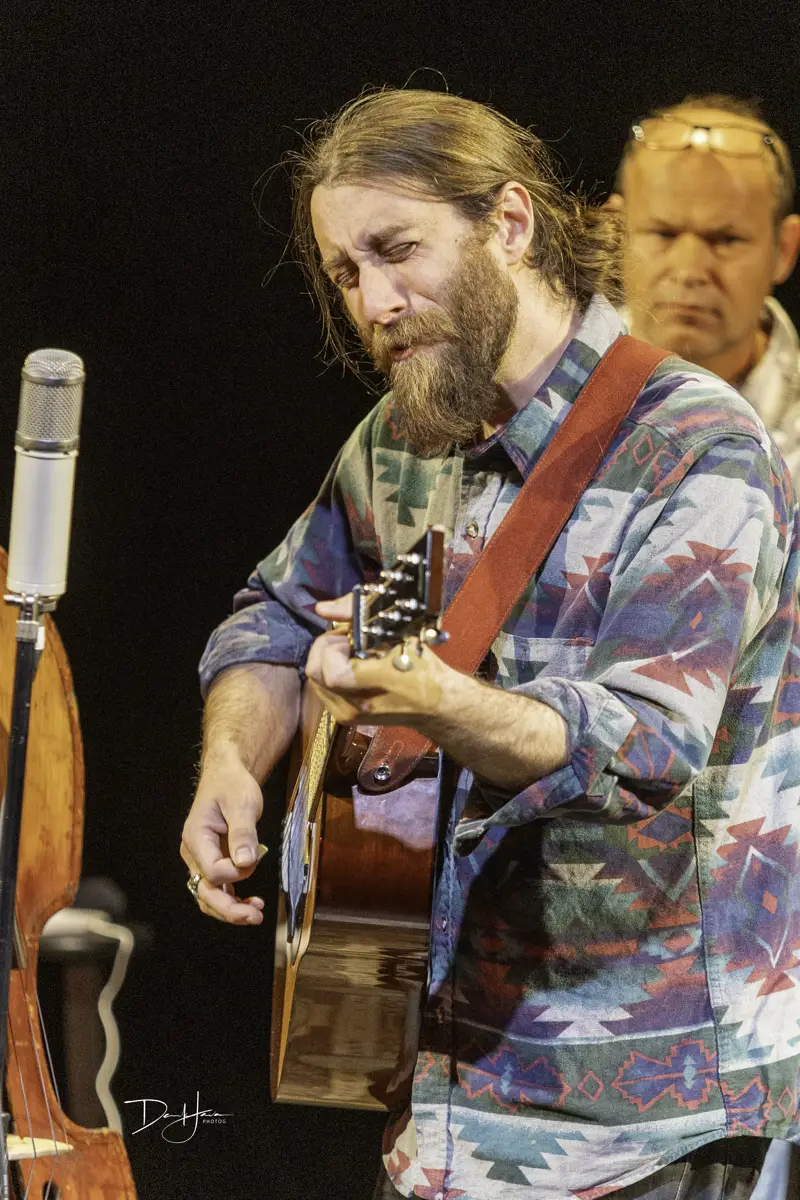
Grisman’s project has incorporated a revolving cast of friends and musicians over the past several years with some incarnations exploring percussion and electronic instruments. I must express a hope that this current touring band continues to work together for the foreseeable future, and that they release more original material, because they are very promising as a collective. One of the great unexpected moments of the night came from guitarist/vocalist Max Flansburg, who taught the band a new tune only a day before the show. If he hadn’t told the crowd it was so new, no one would have believed it. “Never Had You” was a knockout tune about a road-weary touring musician, missing the girl back home. The soaring chorus featured great harmony vocals from Grisman and it made me pine to hear it again (please record this one, guys).
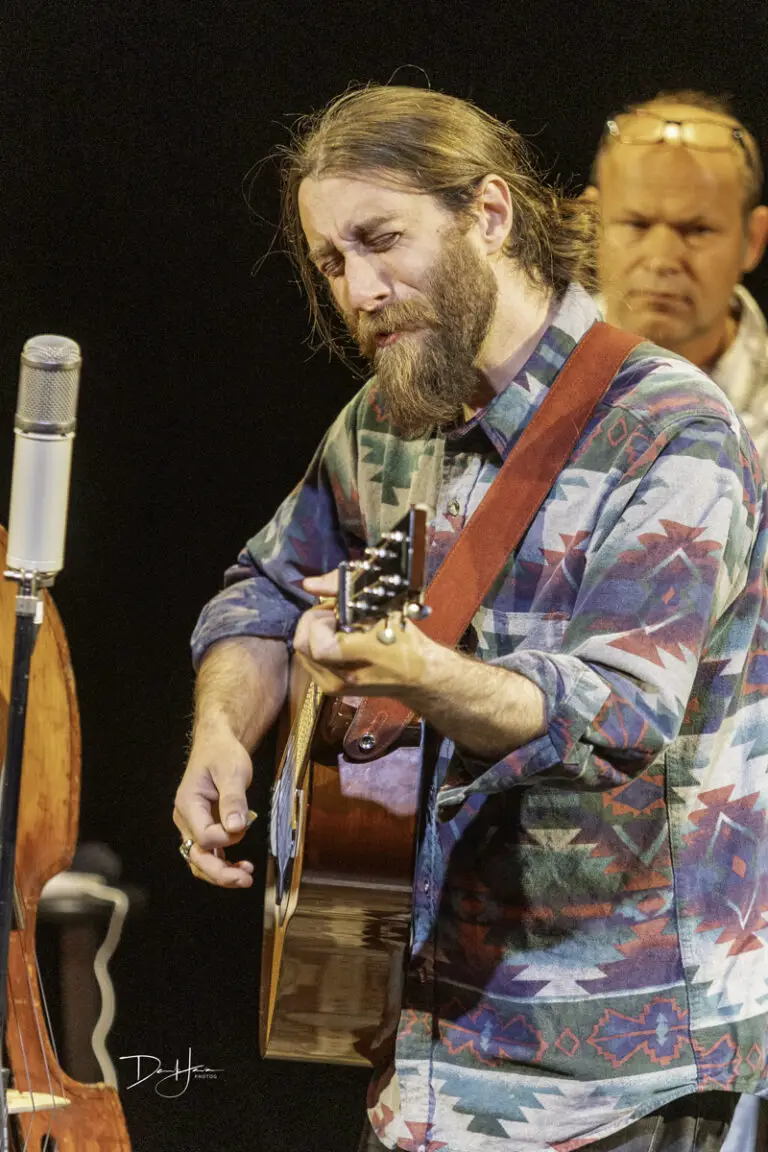
Rowan returned to the stage for two of his finest songs –both requests from the audience. “Hobo Song” seemed to draw the most sneaky cell phone videos of the legend, and again featured great harmonies on the chorus from Grisman and Leslie. Before departing to a second standing ovation, Rowan went out with “Midnight Moonlight,” another Old and In the Way number. This got a single male dancer up in front of the stage for a solo of his own – and maybe a needed reminder that this is string dance music meant for barns, porches, and noisy parties as much as it is for acoustically perfect listening rooms.
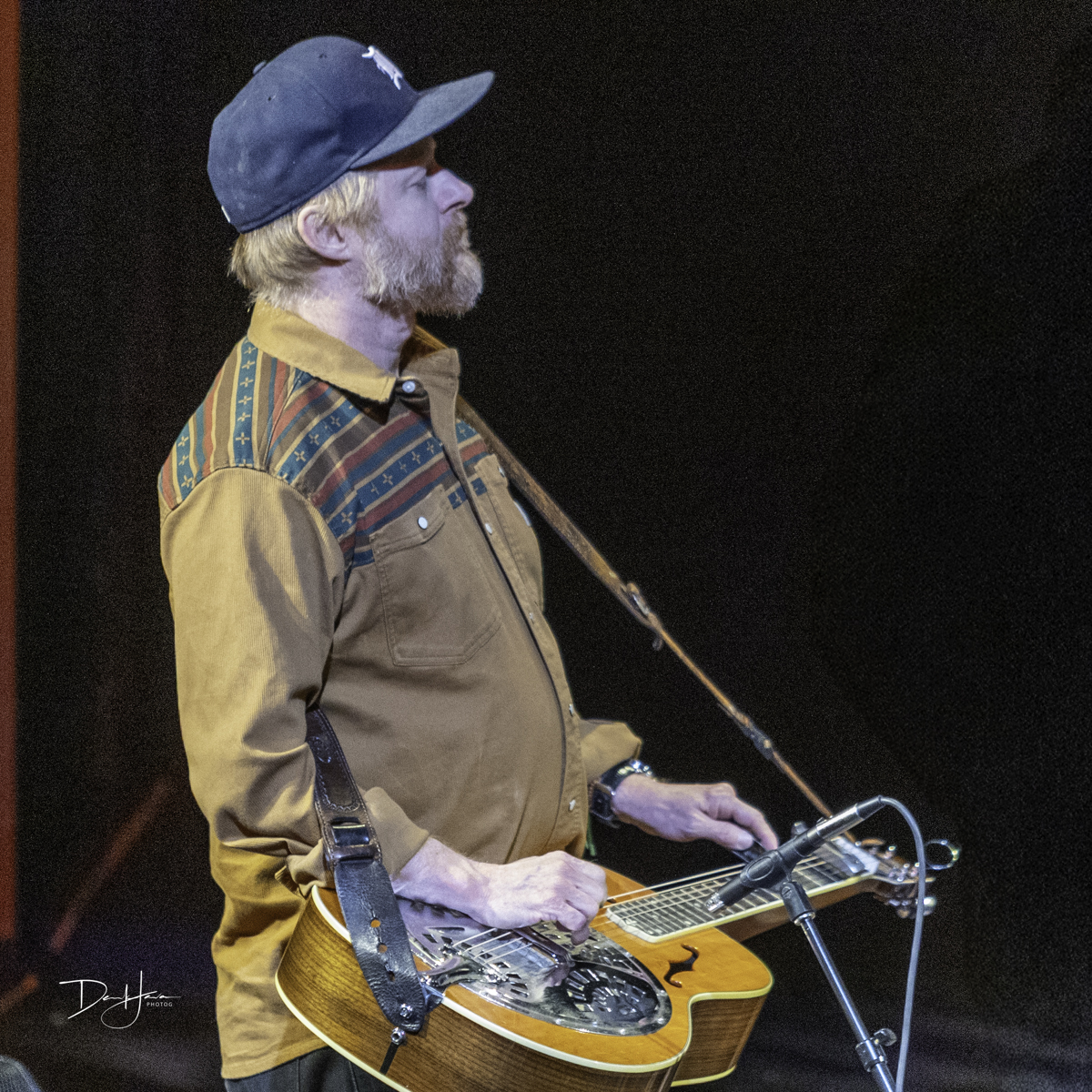
After Rowan’s departure Sam Grisman Project put an exclamation point on the festivities with a postscript of a half a dozen great tunes. The “ancient wisdom” of Jody Stecher’s “Leela Leela” was as philosophically aligned with Grisman’s humble positivity as it was tuneful. Furtado, whose clawhammer style gave the band a unique sound that wisely distanced itself from Jerry Garcia’s banjo style, fielded the request for a train song, and led the group with the vocal on “Streamline Cannonball.” Dobroist Tod Patrick Livingston (who doubled as the merch table manager) nailed the train accompaniment with his slide techniques. Grisman went back to teaching mode with Jimmie Rodgers’ “Blue Yodel #9”, an important track in American music because it saw the convergence of Rodger’s brand of country with the vocals of jazz-legend Louis Armstrong.
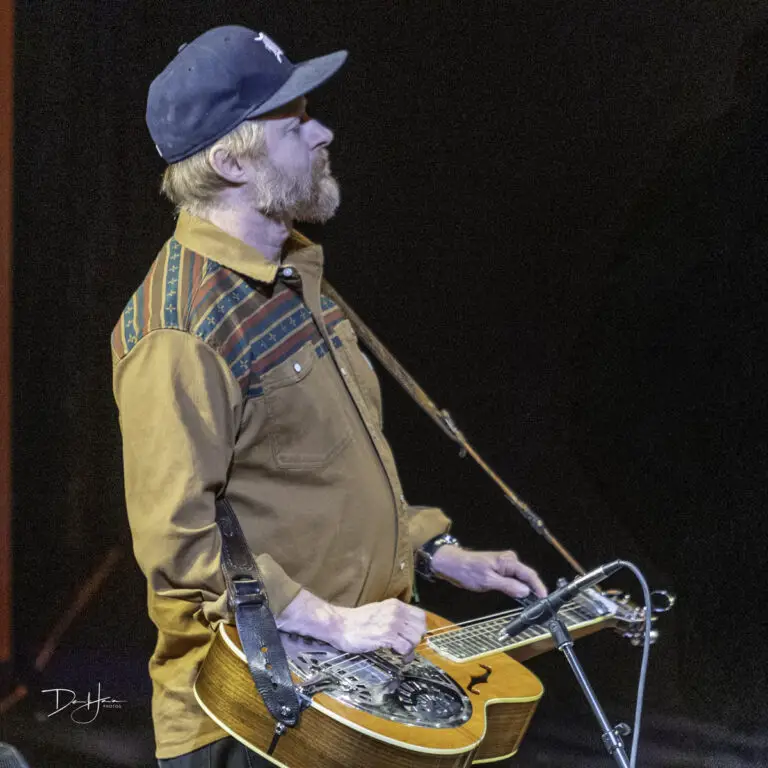
The night came to a close the same way it began – with a mash-up of the Grateful Dead tunes and important American folk music. “Built To Last” was a reminder that in a post-Bob Weir world, this music is still in capable hands, albeit ones a bit further down the Grateful Dead Family Tree. A traditional take on “Goin’ Down The Road Feeling Bad” gave way to Woody Guthrie’s “All You Fascists Bound to Lose”, which received the loudest cheer of the evening. Leave it to folk musicians to tell the truth and tell it plain.
“Ripple” was the logical encore and Grisman gave the crowd what it wanted. The audience, listening intently all night, responded to Sam’s urging that it sing along. It felt good (and sounded good) to have hundreds of people singing that song, a standard in its own right now.
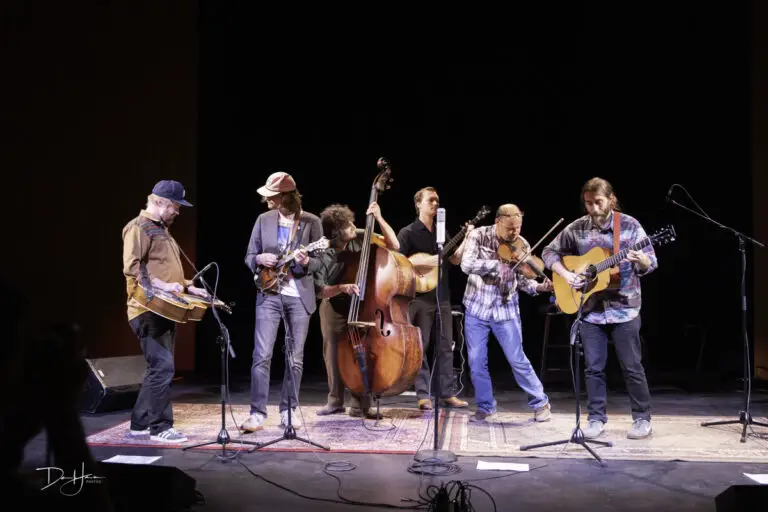
I couldn’t help but think of the fact that David Grisman played mandolin on the original recording of “Ripple.” I considered that Grisman, now 81 and a little less enamored with touring, has left a recording legacy that will extend well beyond his living years. But his work as a father will also lead to a kind of immortality that is part of the magic of music, particularly the hand-me-down nature of folk music and its history. In his son, Sam Grisman, folk and Dead-music fans have a capable musician who will spread the music and the wisdom and the stories to even younger generations.
It was a good night to be in Albany. The city was bustling with NCAA hockey playoffs, a huge dance competition at the Empire State Convention Center, and a live show from the comedy podcast The Dollop in The Egg’s larger Hart Theatre. This was my first trip to The Egg since their remodel and the new seats were comfortable and updated. Subtle upgrades to the lighting and sound enhanced the experience as well. Certainly Troy Music Hall is also rightly renowned for its acoustics, but this Grisman/Rowan Swyer Theatre has to rank as one of the great listening experiences of my life. The simple instrument mics and the folk group huddled around condenser mics was also fun to watch – one accompanist quickly retreating to allow room for the next soloist to step up on the crowded stage.
On my ride down the elevator after the nearly-three hour show, a woman, decidedly younger than most of the greying deadheads in attendance, made a remark to our crowded elevator car that I just had to include here: “Well, it just doesn’t get better than that.” I suppose to save you all some time, I could have left it at that.
Sam Grisman Project with special guest Peter Rowan; The Egg, Albany – March 27, 2026
Set 1: Waiting For a Miracle; Red Rocking Chair; Peggy-O; The Wicked Messenger; Panama Red (w/Peter Rowan); Lonesome LA Cowboy (w/Peter Rowan); Hard Hearted (w/Peter Rowan); Kissimmee Kid; High Lonesome Sound (w/Peter Rowan); Uncle Pen (w/Peter Rowan)
Set 2: Cold Rain and Snow (duo of Victor Furtado & Peter Rowan); The Girl in the Blue Velvet Band (w/Peter Rowan); Dust Bowl Children (w/Peter Rowan); Opus 57; Never Had You; Hobo Song (w/Peter Rowan); Midnight Moonlight (w/Peter Rowan); Leela; Streamline Cannonball; Blue Yodel #9; Built to Last; Goin’ Down the Road Feeling Bad > All You Fascists Bound to Lose
Encore: Ripple