
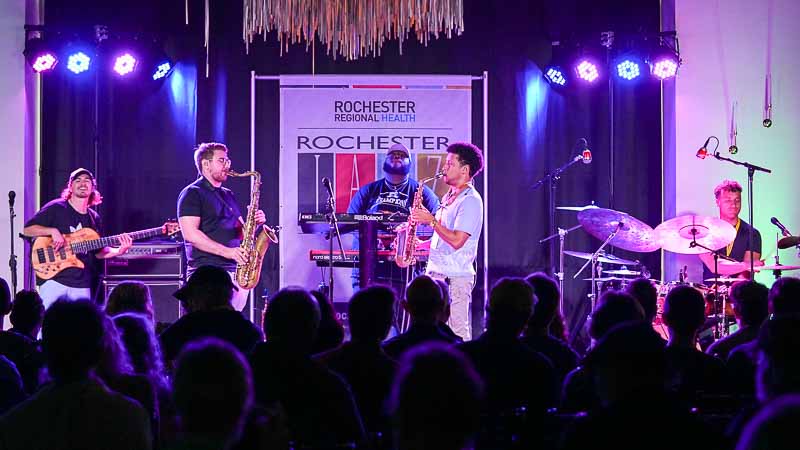
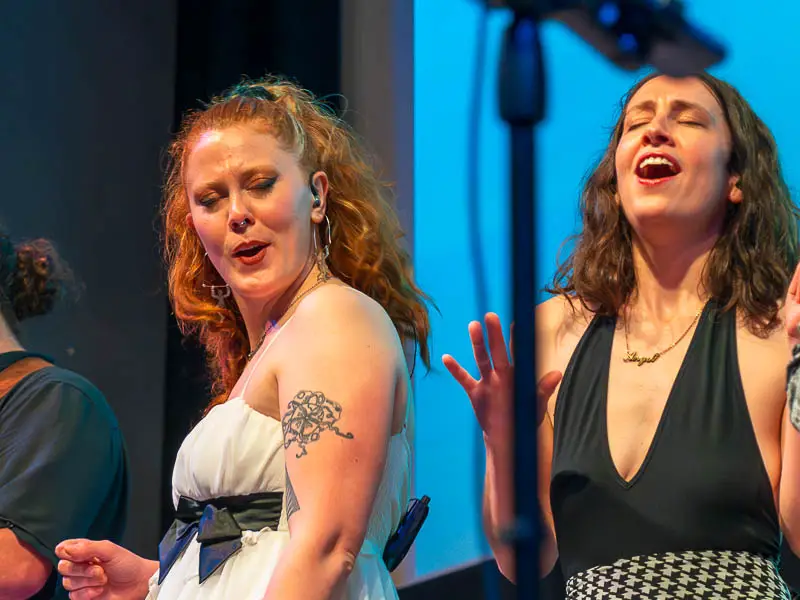
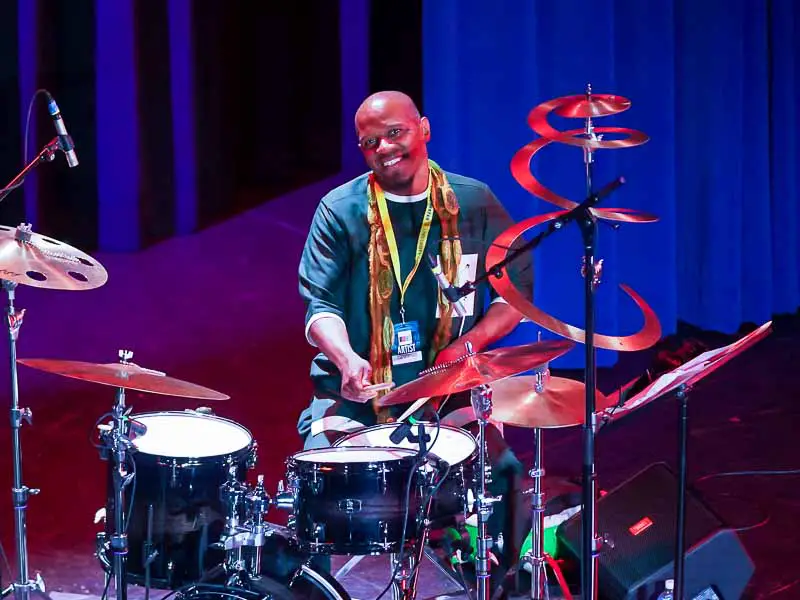
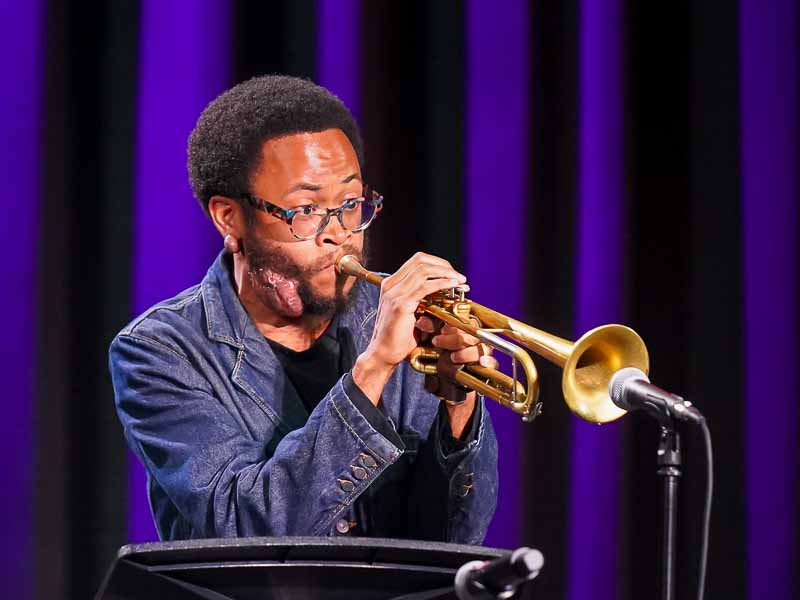
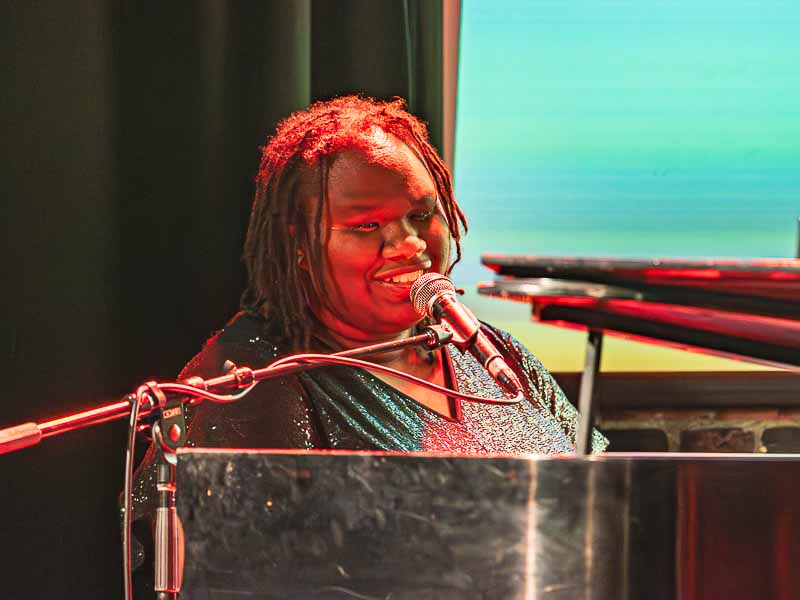
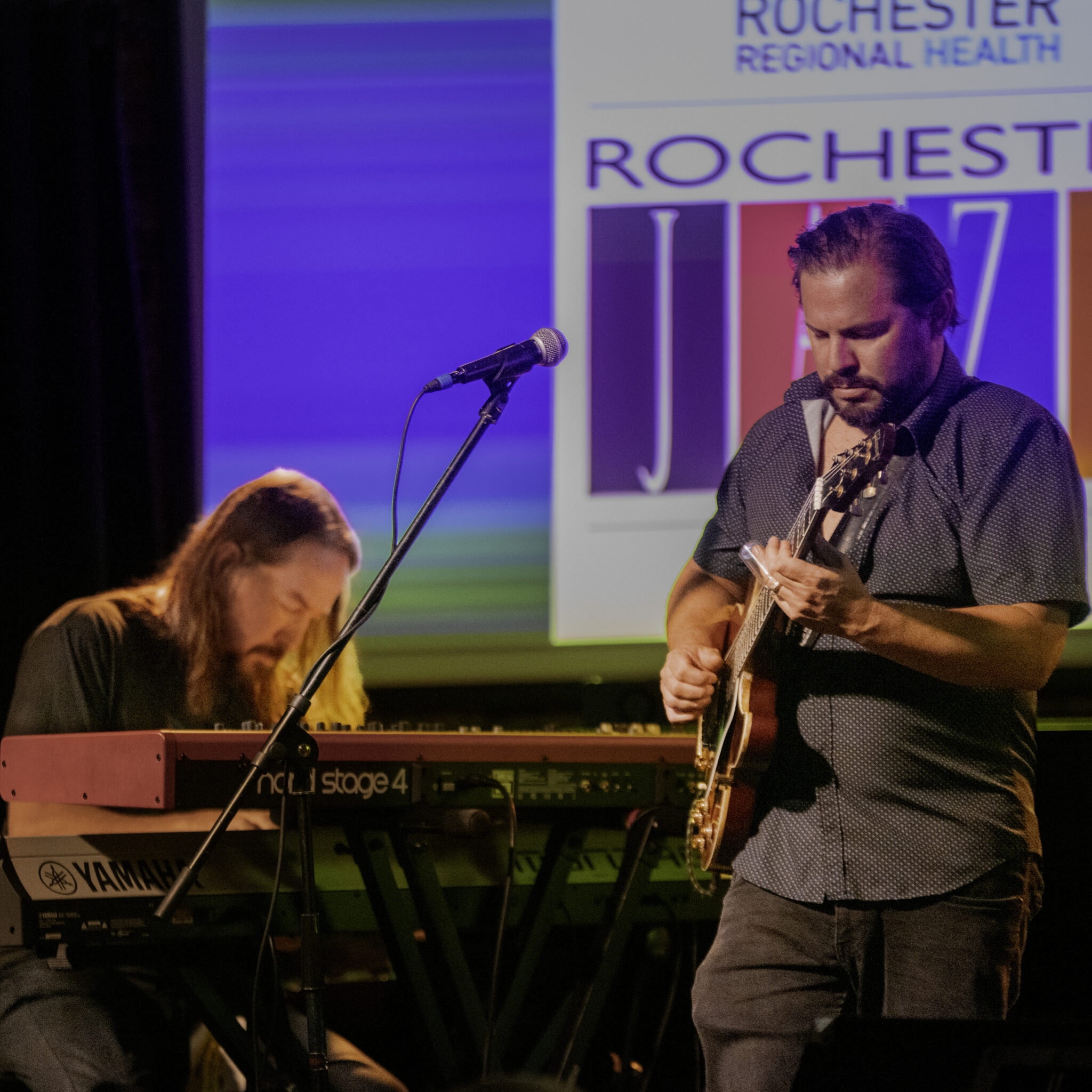
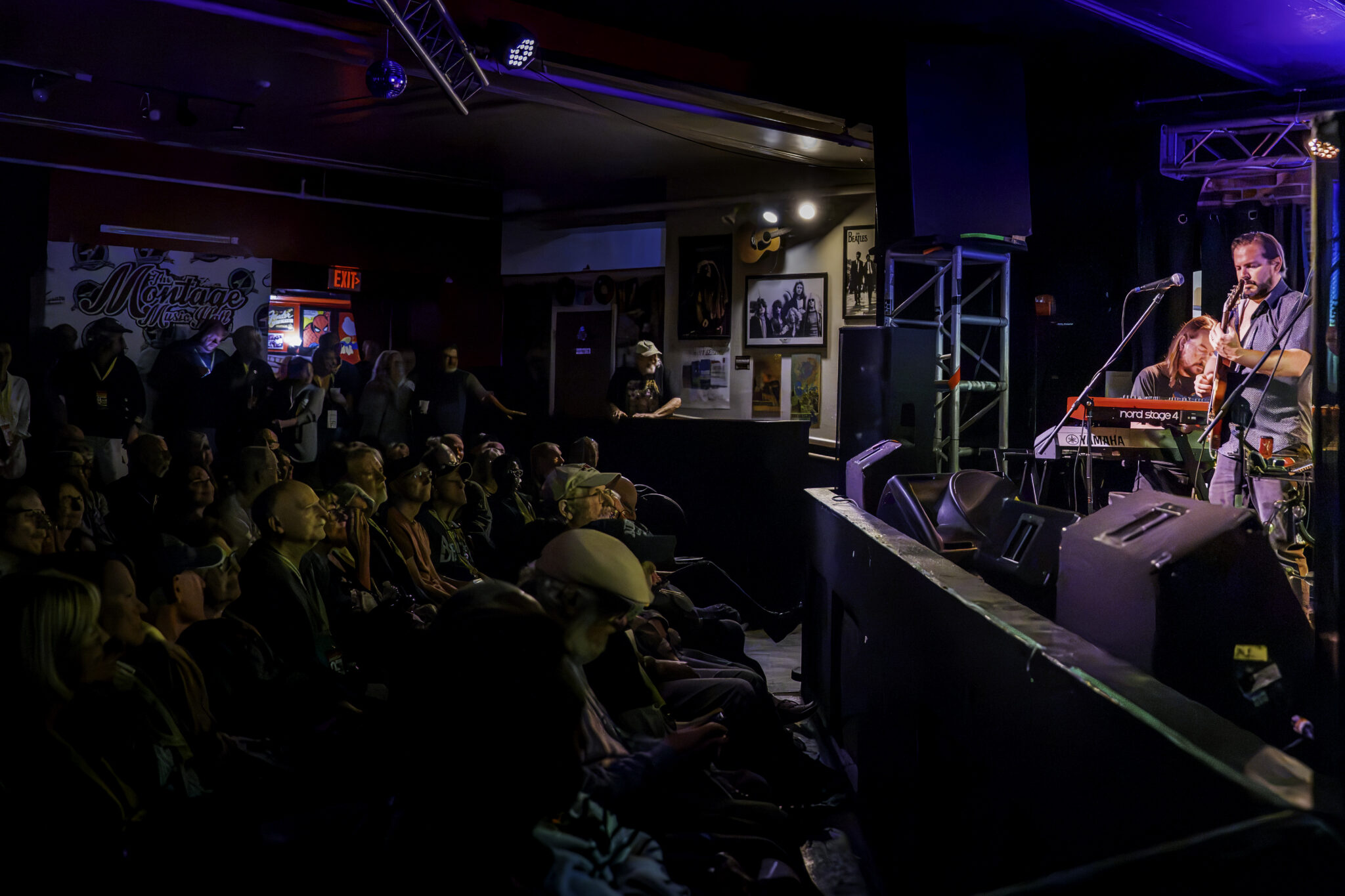
When summer arrives it guarantees only one thing in Rochester, and it isn’t warm sunshine. The Rochester International Jazz Fest arrived on June 19, the longest days of the year corresponding with the city’s longest days of music. Running for nine straight days featuring live music from before 4pm until after midnight every day, even squeezing in noontime sets for the downtown workers during the week. It’s an embarrassment of riches for this small city on Lake Ontario. For the 23rd time in 25 years, the city was transformed into a music mecca.
The festival has constantly evolved over it’s lifespan. The organizers are constantly tweaking it, rolling with punches, finding room for improvement, adapting to the changing landscape both musically and physically. With the live music landscape experiencing uncomfortable flux, and major festivals hanging it up every year, running a major jazz festival for over 23 years doesn’t happen without careful consideration to change. Not everything always works and they’ve been willing to experiment, letting failures go, and continually massaging successes to make them even better. This year was no exception and saw somewhat of a seismic shift. A lot of big changes in a short period of time. By and large, they were big improvements.
The popular club pass series, really the bread and butter of the festival and the best way to experience it in full, added a one-day pass. For most of the festival’s run there was only a full 9-day pass. A few years back a 3-day pass was introduced. Attendees who only wanted to go to a single show or two have always been able to pay cash at the door. Now with a one-day pass, those who can’t commit to multiple nights, can still get a taste of the full value of this festival’s format. No more need to engage fully to one set, they can now move freely from venue to venue for that one night. Not only is this more enjoyable for them, hopefully breeding future 3-day and 9-day pass holders in the process, but it also frees up the venues from needing to handle as many cash door sales.
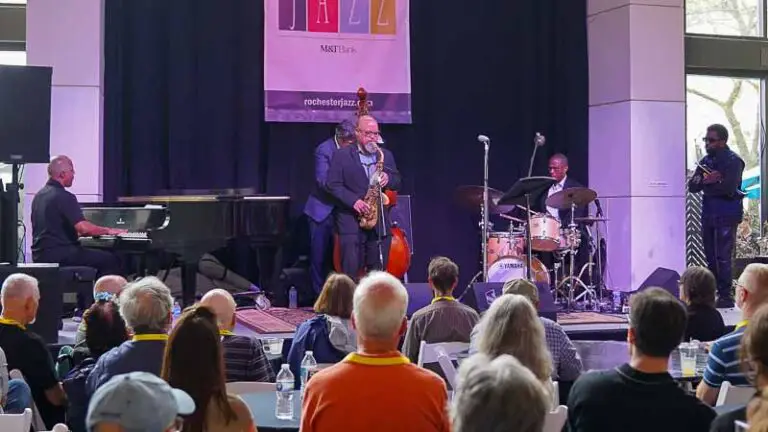
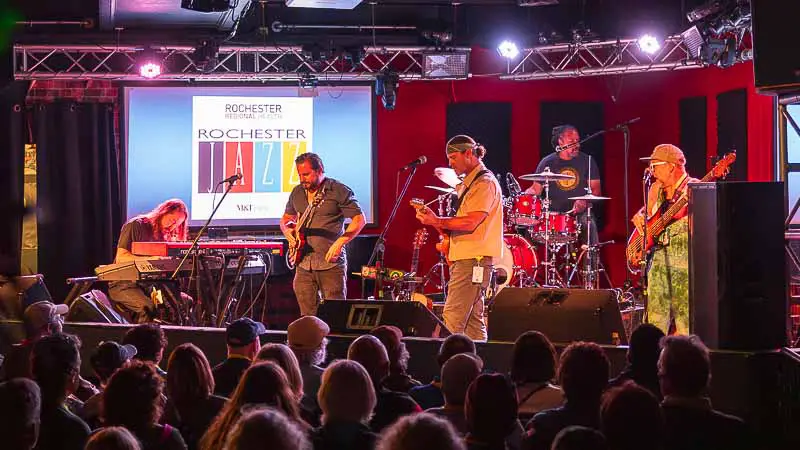
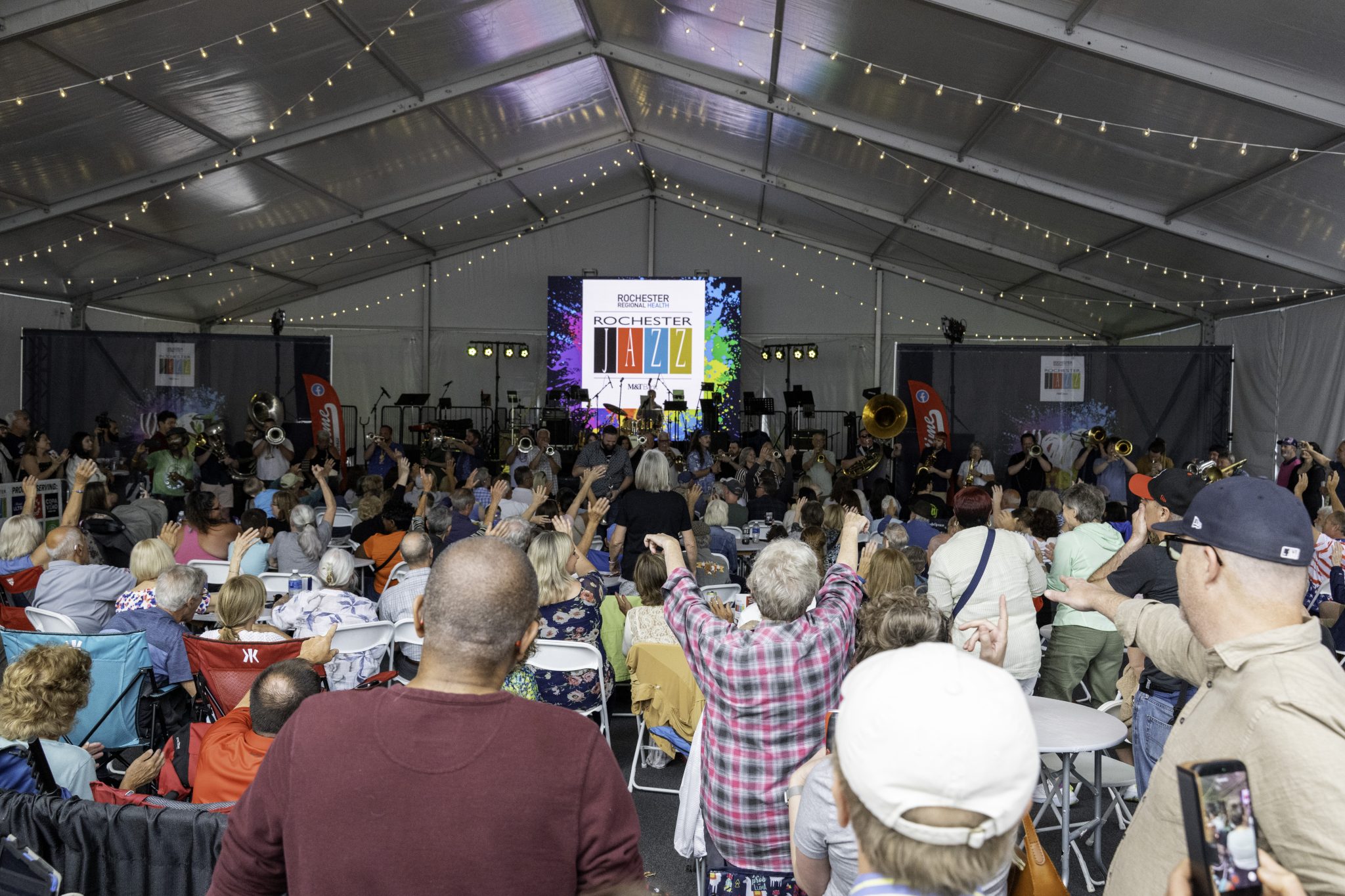
The actual “clubs” in the club pass series seem to change a little each year. Venues close, or go under repair, or decide to no longer participate. The producers need to pivot to maintain the greatness that is expected. This year saw the end of the Big Tent venue, which generally hosted more party atmosphere bands but where the energy was often lost inside the cavernous tent and the acoustics left much to be desired. The parking lot where that tent sat was replaced by a better situated open-air tent, hosting free local bands every night. It also became a gathering place with ample comfortable seating and the Festival Merch store. This freed up space on the busy Jazz Street which made for better viewing and easier navigation from venue to venue.
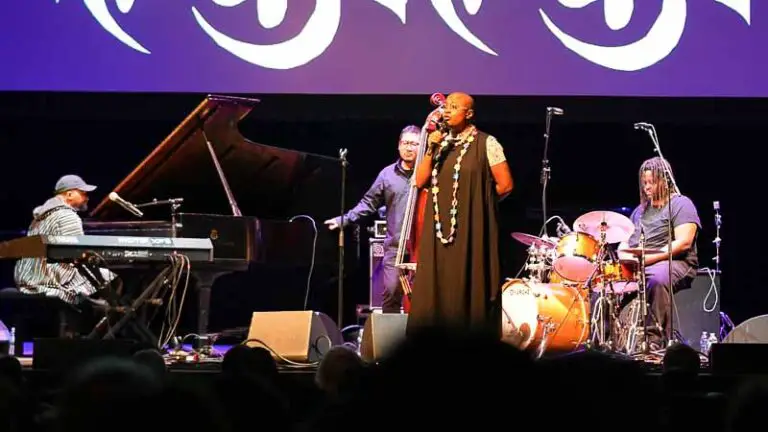
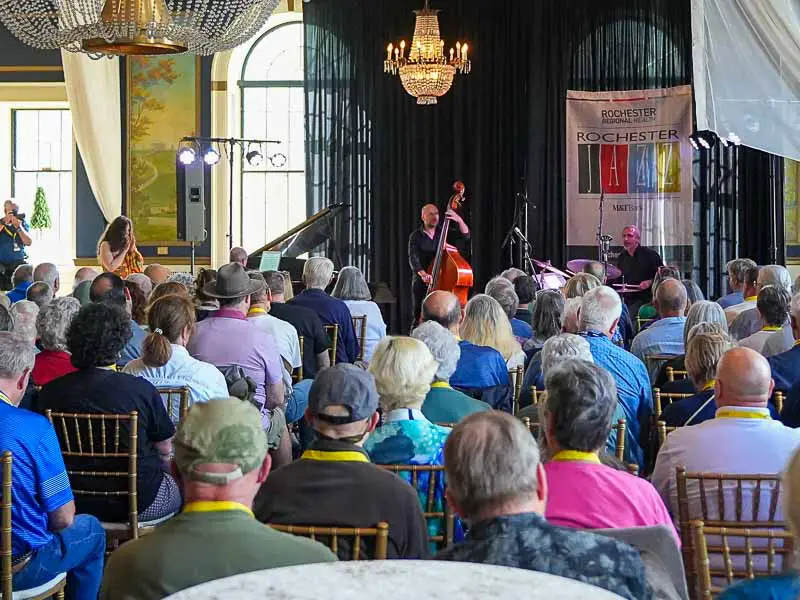
Another major “club” change saw the beautiful Kodak Hall, previously reserved for expensive and separately-ticketed headline shows, become one of the venues included with the club pass for most of the festival’s run. This was probably the most significant addition to the club pass series in the festival’s history and worked out incredibly well. Festival goers were able to take in sets by popular artists like Cecil McLorin Salvant, Hiromi’s Sonicwonder and Bill Frisell in the gorgeous historical theater, with no real fear of missing out due to capacity issues. And with general admission seating, fans were able to experience the space in what might otherwise be unattainable ways.
On a year to year basis, the festival organizers have been great improvisers, helping to keep the festival vital and adaptive to change. Improvisation, of course, a core characteristic of jazz itself, and naturally a running theme at this year’s edition.
The club pass holders also acted as great improvisers. Planning an evening took great care, piecing together a schedule with early sets and late sets, calculating how to fit it all together perfectly. But best laid plans… one thing leads to another, you get a text that so-and-so is a must see and the perfect schedule topples like a house of cards. Jazz fans with lanyards dangling could be seen scrambling from place to place, jumping ship mid-set to ensure access to another must-see artist starting just around the block. The perfectly executed schedule was the fan’s equivalent of a transcendent solo, a wholly satisfying experience worthy of bragging later that night or early the next.
Another running theme at this year’s festival, and probably any years’, reverence and celebration of past jazz giants. Most explicitly in 2026, John Coltrane, currently in celebration of what would have been his 100th birthday this year. Miles Davis, also celebrating 100 years, was less directly present. The recent passing of Sonny Rollins also was on the mind of many of artists.
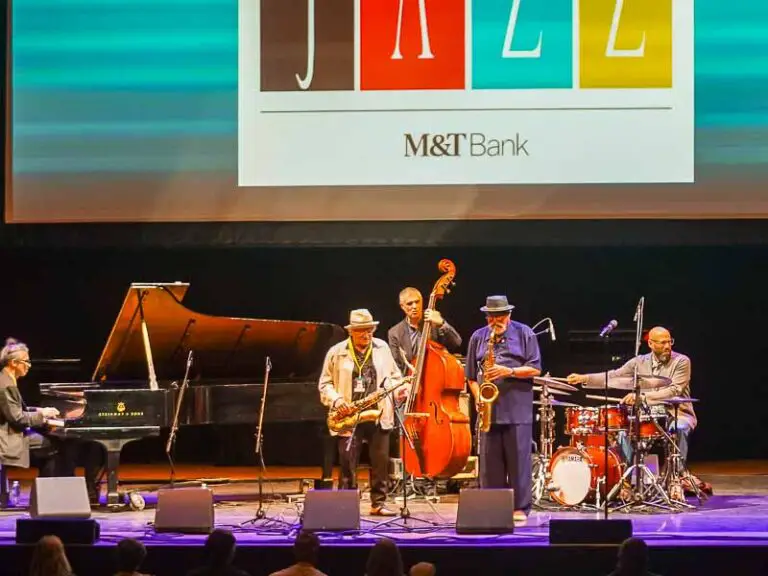
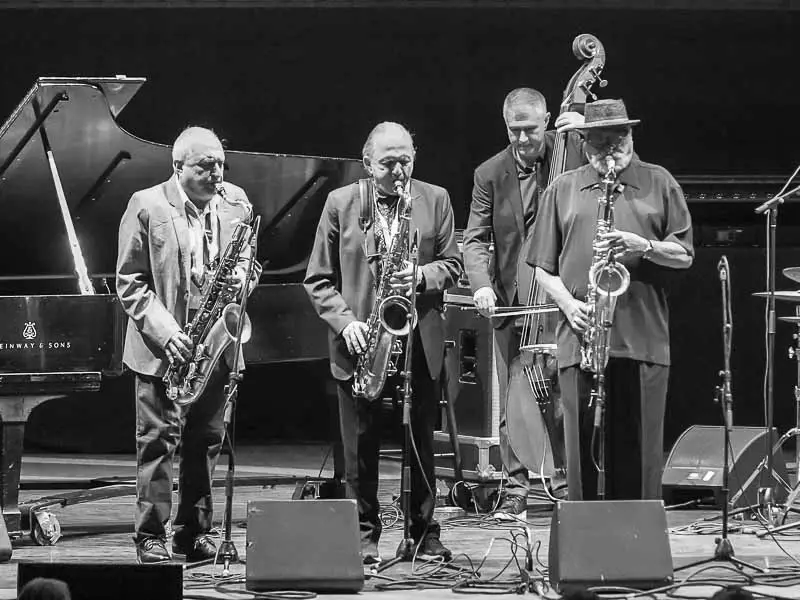
The first night, at the aforementioned Kodak Hall, Joe Lovano lead a Coltrane tribute featuring five saxophonists to help create Trane’s famous sheets of sound. Joining Lovano were George Garzone, Jerry Bergonzi, Tommy Smith and 97 year-old Frank Tiberi. Adam Nussbaum, playing with his own band the next night, popped out from backstage to take over for Otis Brown III on drums mid-song, culminating in a great session with Garzone firing blows right into the drum kit. A great opening night show that featured an unusual-for-the-festival communal and collaborative atmosphere.
The Coltrane love would extend festival-wide. Tommy Smith continued with the tribute into night two in his own set with pianist Jon Ballantyne at the beautiful and much more intimate Hatch Hall within the same theater complex. With Smith’s playing still reverberating from the night before, the duet format explored Coltrane from a completely different angle. Smith returned for a third straight night, to play in a third theater within the Eastman School complex, joining master pianist Makoto Ozone for sets at Kilbourn Hall. Smith played directly under the lid of the piano sending the strings vibrating back for a digital sounding analog effect. Ozone, coming from playing Rachmaninoff in Indianapolis the night prior, remarked, “Feels good to play jazz for a change.” The freedom of improvisation!
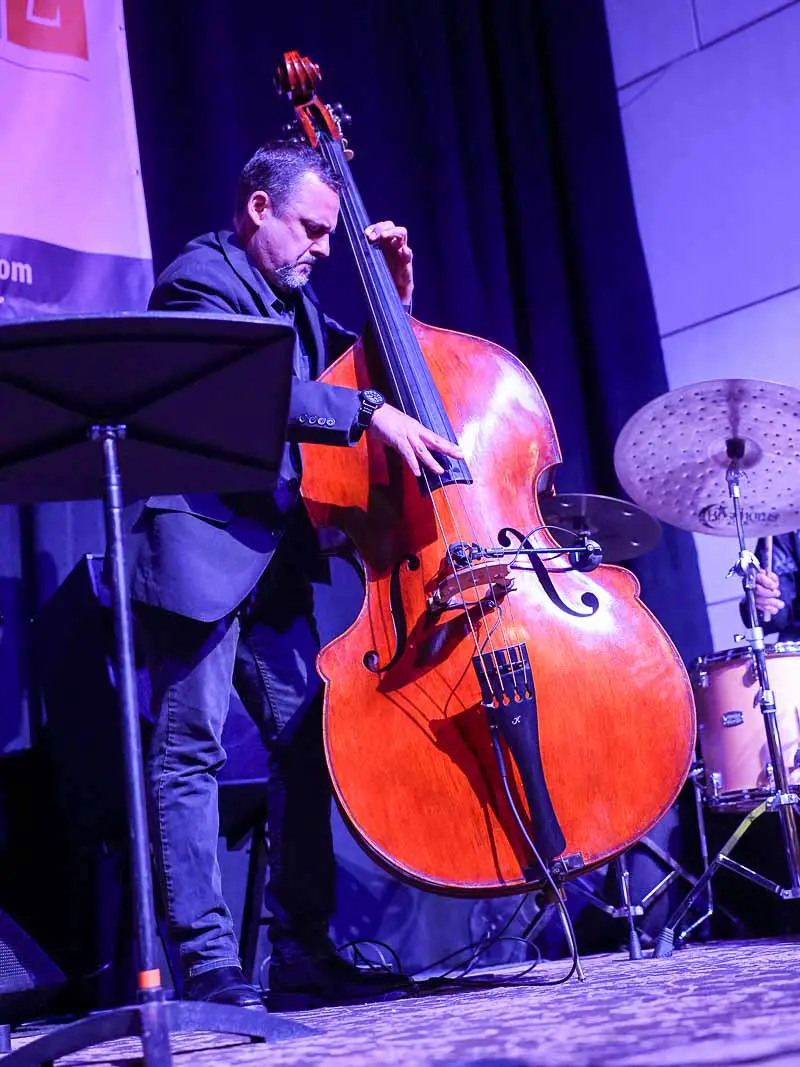
Later in the week, The Coltrane Sutras continued the celebration of all things ‘Trane by fusing it with East-Asian music, featuring Himalayan singing bowls and an esraj. Canada’s Trane of Thought returned to the festival with more straight-ahead renditions at the Inn on Broadway. Both bands featured Pat Labarbera on saxes, a native of the area and a frequent performer at the festival. Other sets of course also featured Coltrane tunes. A set dubbed NYC Jazz All-Stars, featured Joe Farnsworth on drums, Eric Alexander on sax, Joey Maneri on bass, Luther Allison on piano and Jeremy Pelt on trumpet. A classic quintet blasting through some fiery jazz including “Like Someone in Love,” featured on Coltrane’s Lush Life.
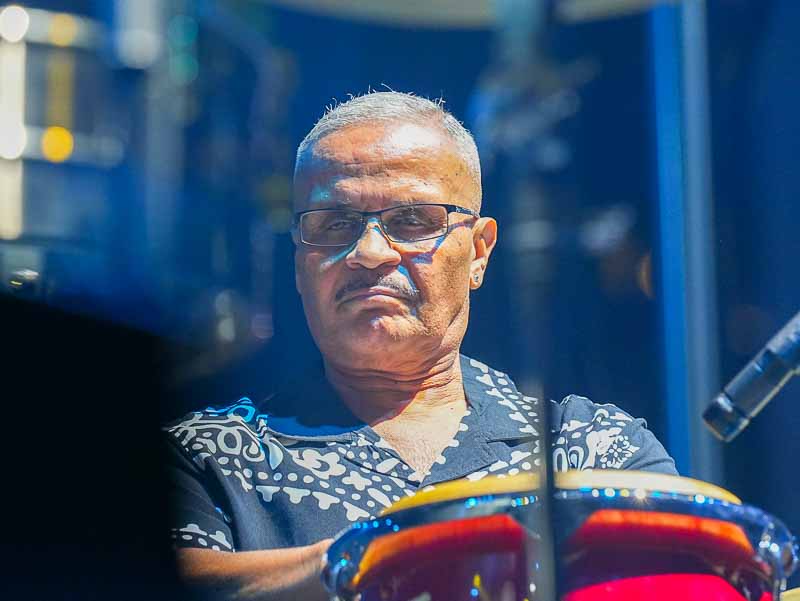
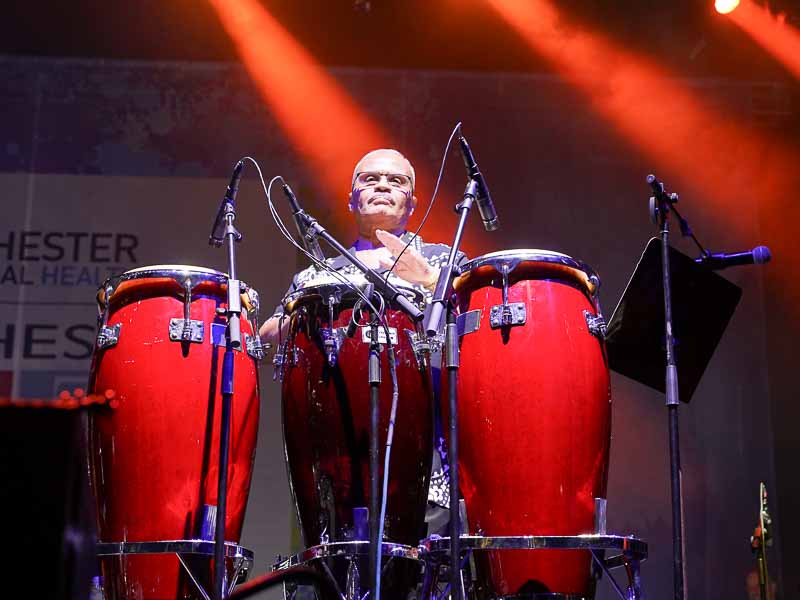
There were also two Herbie Hancock “tribute” sets, specifically his Headhunters band. Both the original drummer, Harvey Mason, and percussionist Bill Summers held separate sets at Kodak Hall. The latter, brought up a full bottle of Genesee Beer (nice local touch) to perform his iconic intro to “Watermelon Man.” When he returned to his kit to perform the rest of the tune the beer spilled. When Summers grabbed the bottle to finish up the tune he realized the mistake. The situation called for a different type of improvisation, and he quickly realized he could fill it back with the water bottle behind the drums. He expertly got the bottle to the proper level and was ready to go in time for his starring role.
The “International” aspect of the festival has been dwindling in the past handful of years. Outside forces have likely dictated that more than anything, but the Made in UK and Nordic Jazz Now series, both which brought a unique flavor of oftentimes rare sounds, are sorely missed. Jazz is America’s greatest artistic export, so there is plenty of talent to draw from stateside.
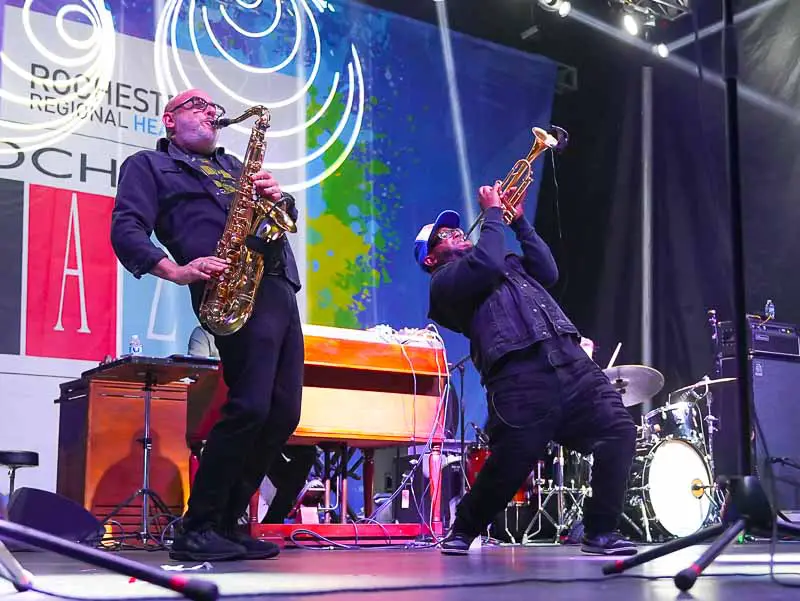
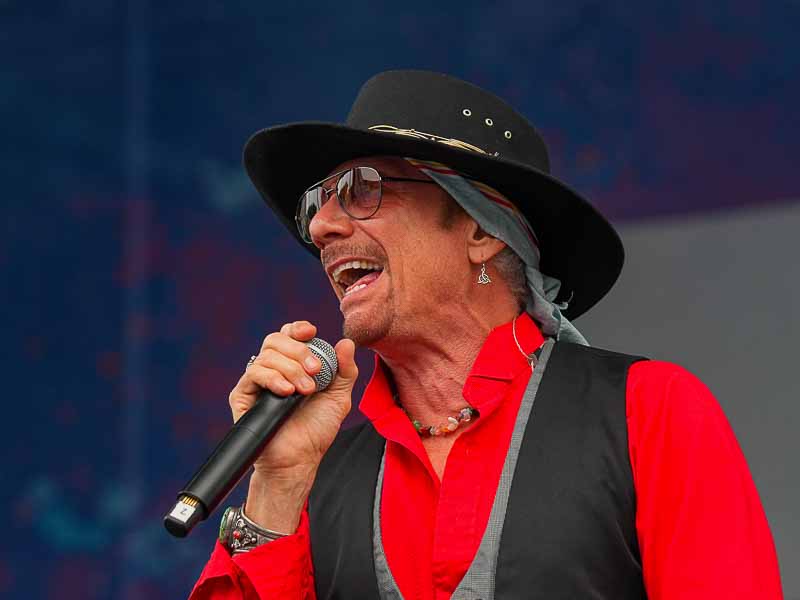
More specifically, New Orleans, the birthplace of jazz, was prominently featured in 2026. When the festival needed a burst of fun, it turned almost exclusively to New Orleans. From the Katrina-born Honey Island Swamp Band and their groovy greasy southern soul, to the eight-piece brass band party provided by the Soul Rebels, to the big outdoor stage performances by funk veterans Galactic and finally the return of Trombone Shorty to close it all down properly on a perfect Saturday night. Not to mention Doreen Ketchens and Kyle Roussel bringing their own flavors of New Orleans to the final weekend.
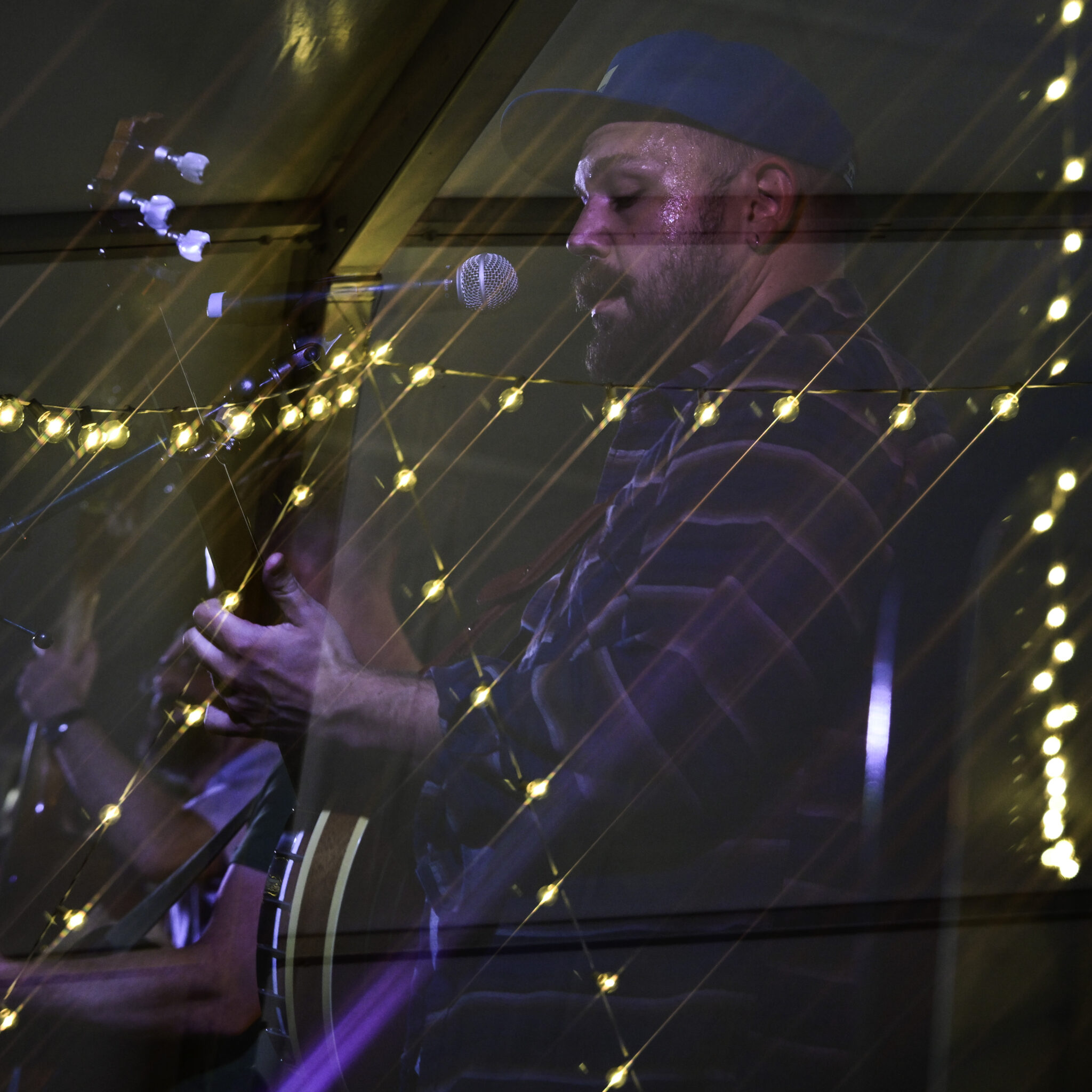
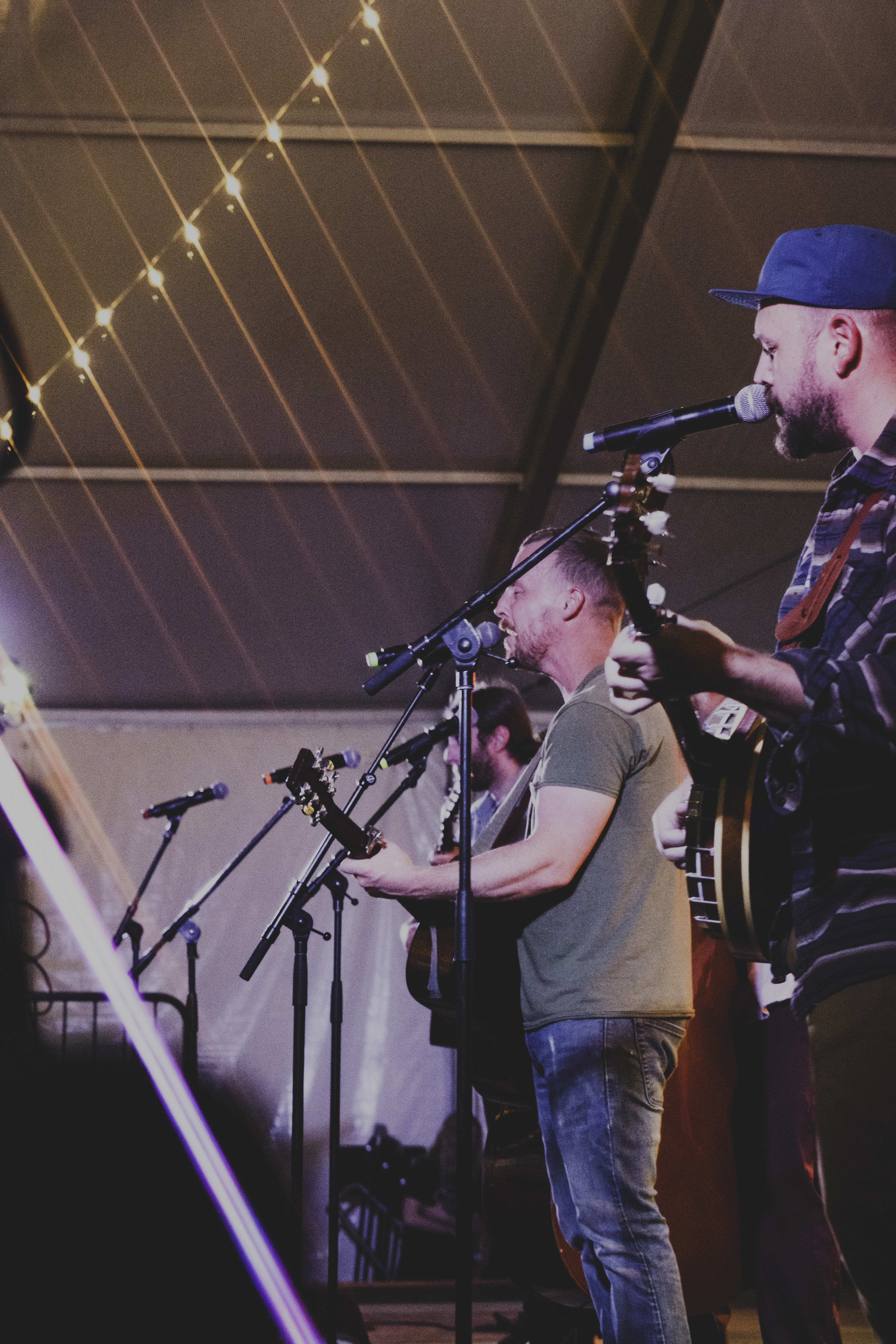
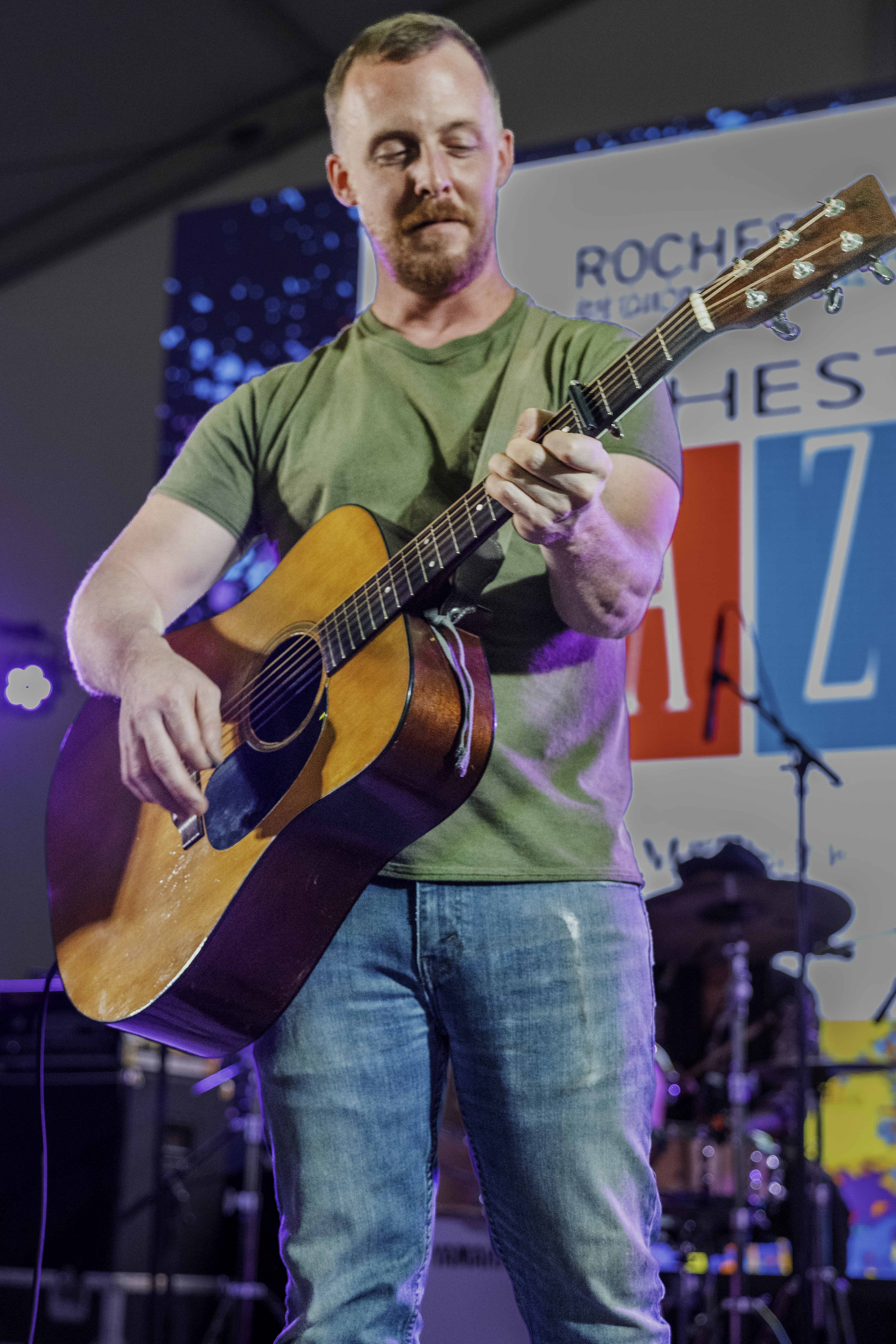
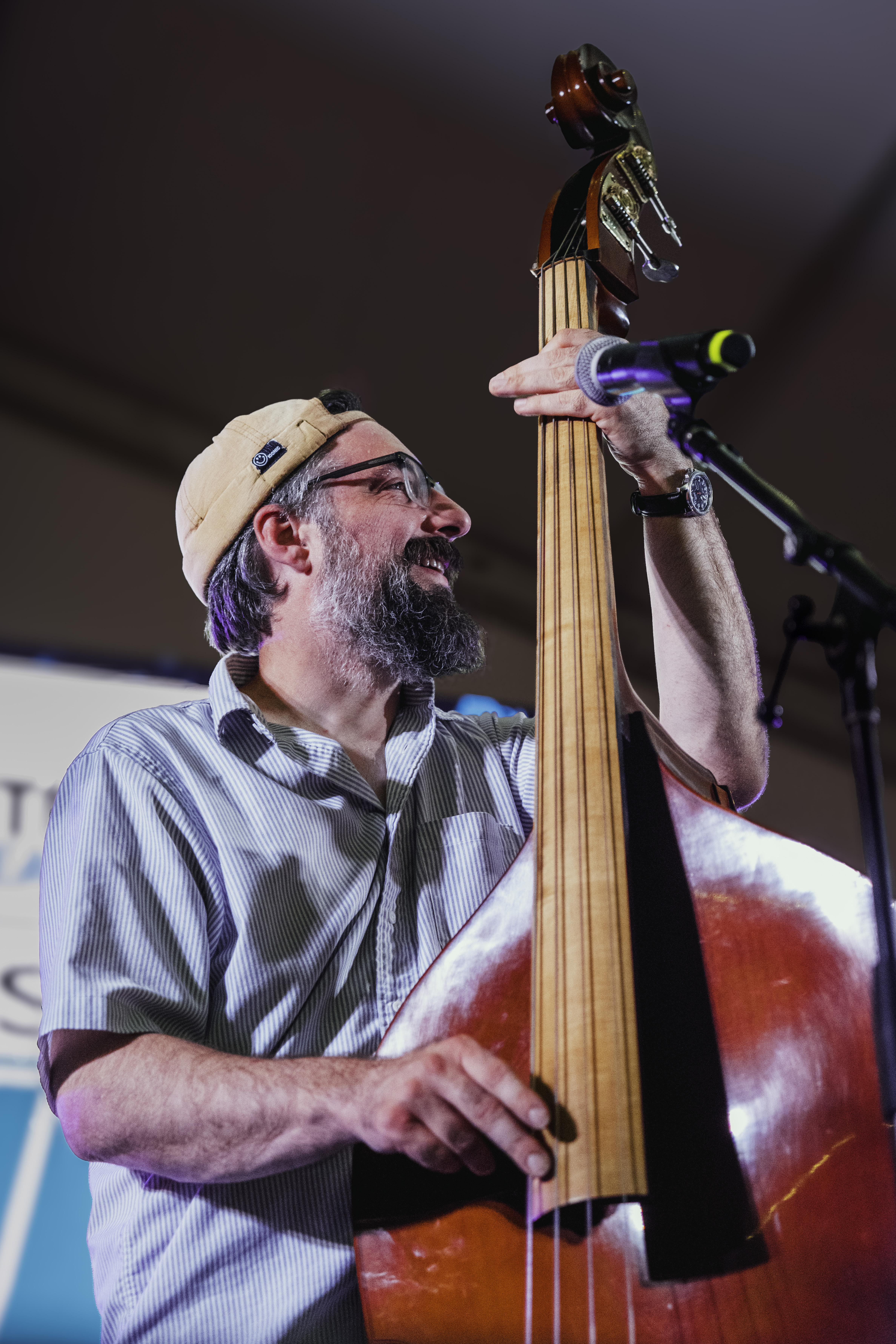
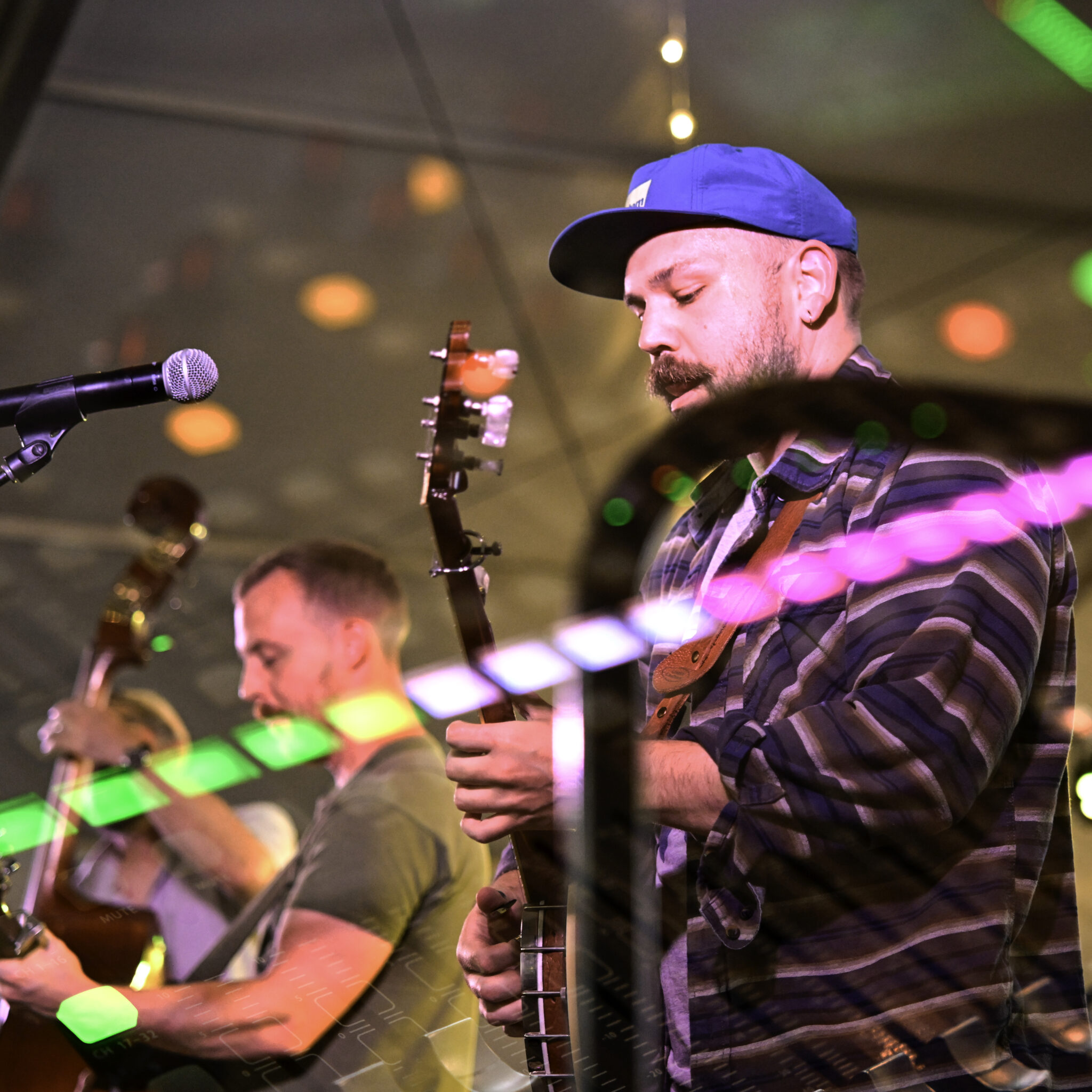
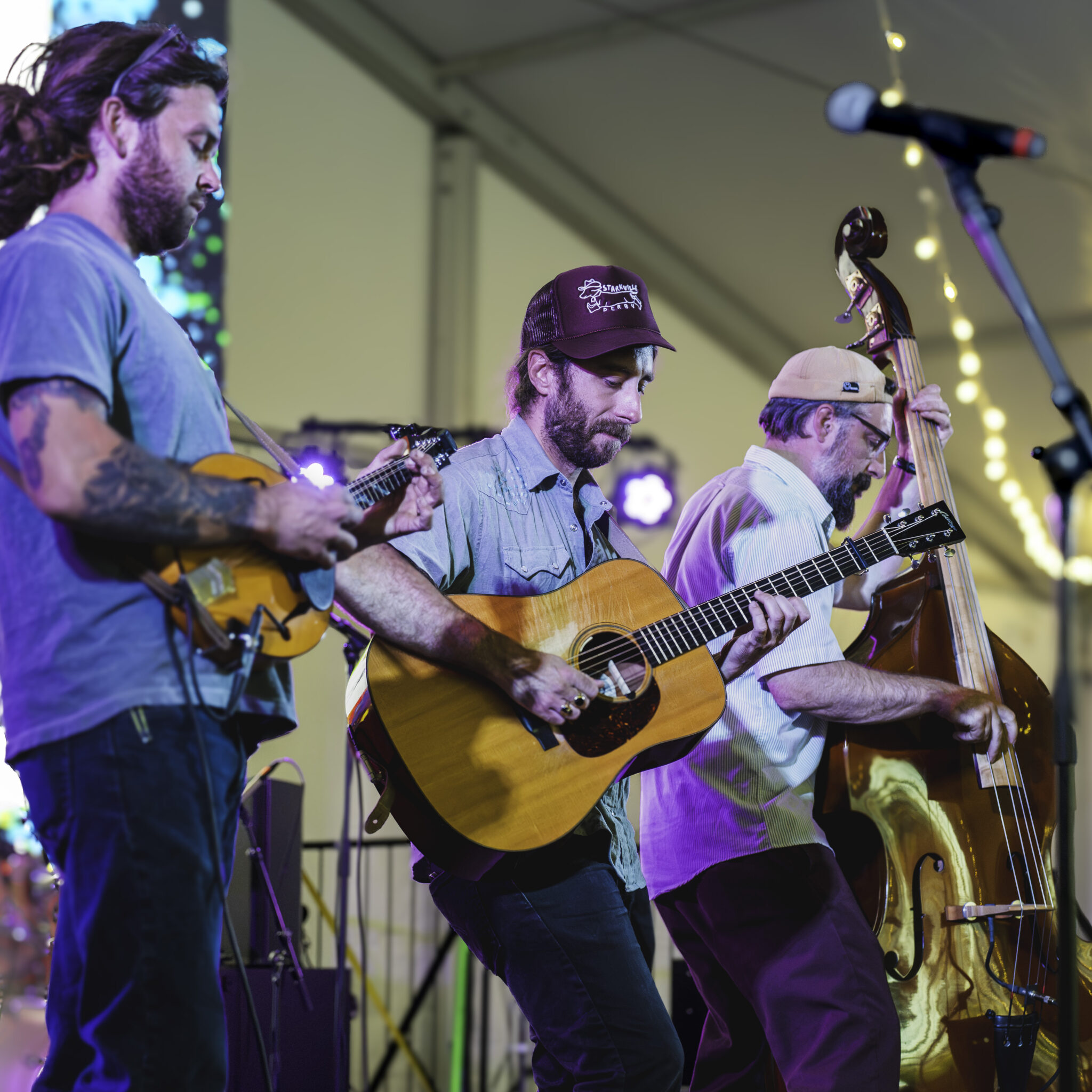
The Henhouse Prowlers, purveyors of bluegrass not jazz, reversed the international aspect. As a part of a US musical ambassadors program they have played in over 30 countries, and at each stop they learn some of the local traditional music. At the Temple Theater they performed “Shynarym” which they learned on their travels to Kazakhstan.
Those artists still finding new evolutionary lineages for the genre perhaps were honoring the legacies of Coltrane, Miles and all the greats as well as any tribute could. After all, that is the legacy they left first and foremost, their innovation. This spirit of experimentation came to a head at this year’s festival at the midpoint, day five. Wednesday featured a schedule that would rival any of the year’s past in terms of name recognition plus importance on the current jazz landscape.
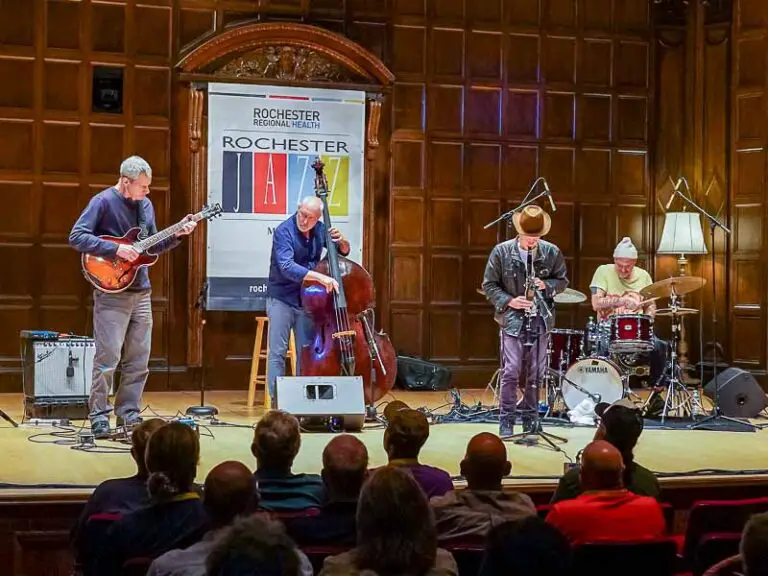
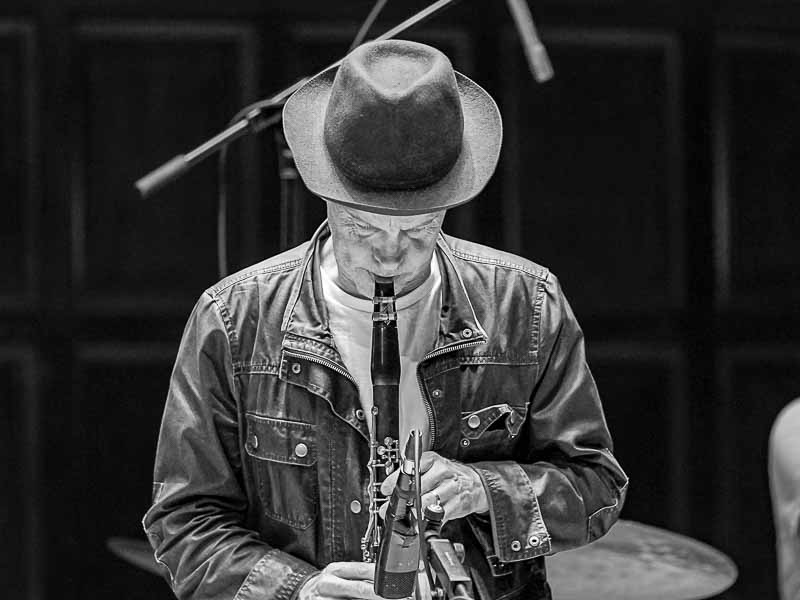
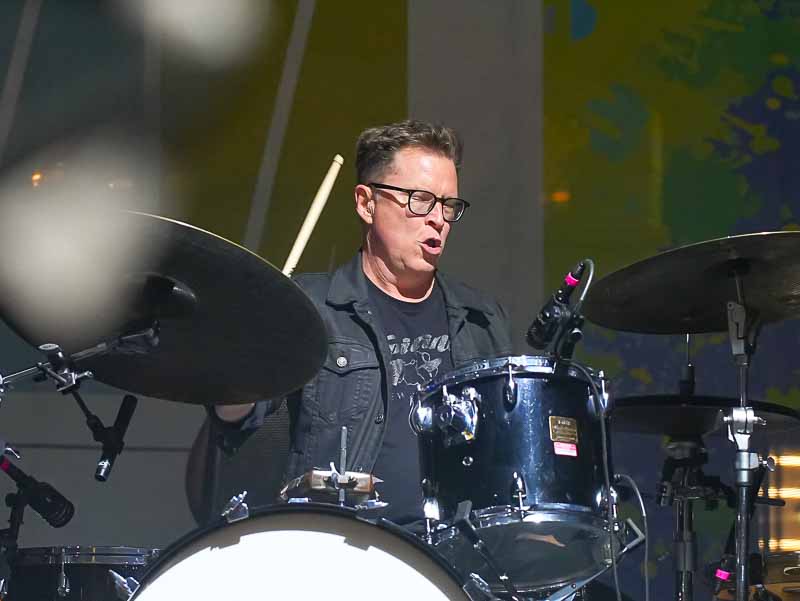
The Bad Plus, in the midst of their final year, returned to play the festival for the last time. Even now, in their third iteration, they remain great innovators in the genre, pushing boundaries and influencing others to do the same. They hang their hats (saxophonist Chris Speed in a nice fedora in fact) on their unique originals, but their cover of Ornette Coleman’s Law Ears proved a highlight, with a song-long flourish of rhythms from Dave King.
Next door at Kodak Hall, a packed house settled in for an enchanting set by Cecil McLorin Salvant, redefining what jazz vocals can be on originals like “I Am a Volcano” and “Second Guessing” while also mixing in more traditional yet not less invigorating fare.
Avishai Cohen’s Big Vicious, with it’s unusual two drummers two guitars and trumpet lineup, blasted through a cosmic set of new music from a forthcoming album that harked back to electric-era Miles Davis. Not to be outdone, festival mainstay and legend Bill Frisell took the late set back at Kodak Hall, joined by Greg Tardy on reeds along with his usual trio-mates Rudy Royston and Thomas Morgan. A non-stop drifting set saw them reach their usual divine moments along the way. A wonderful Wednesday!
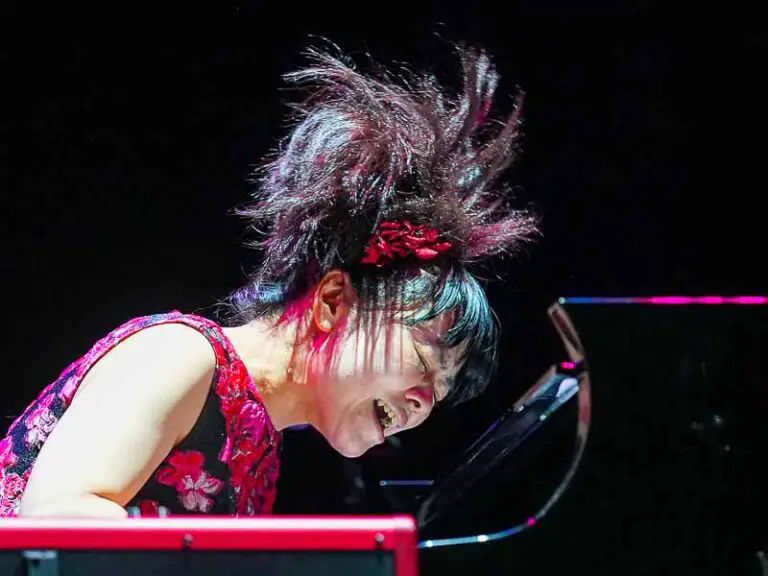
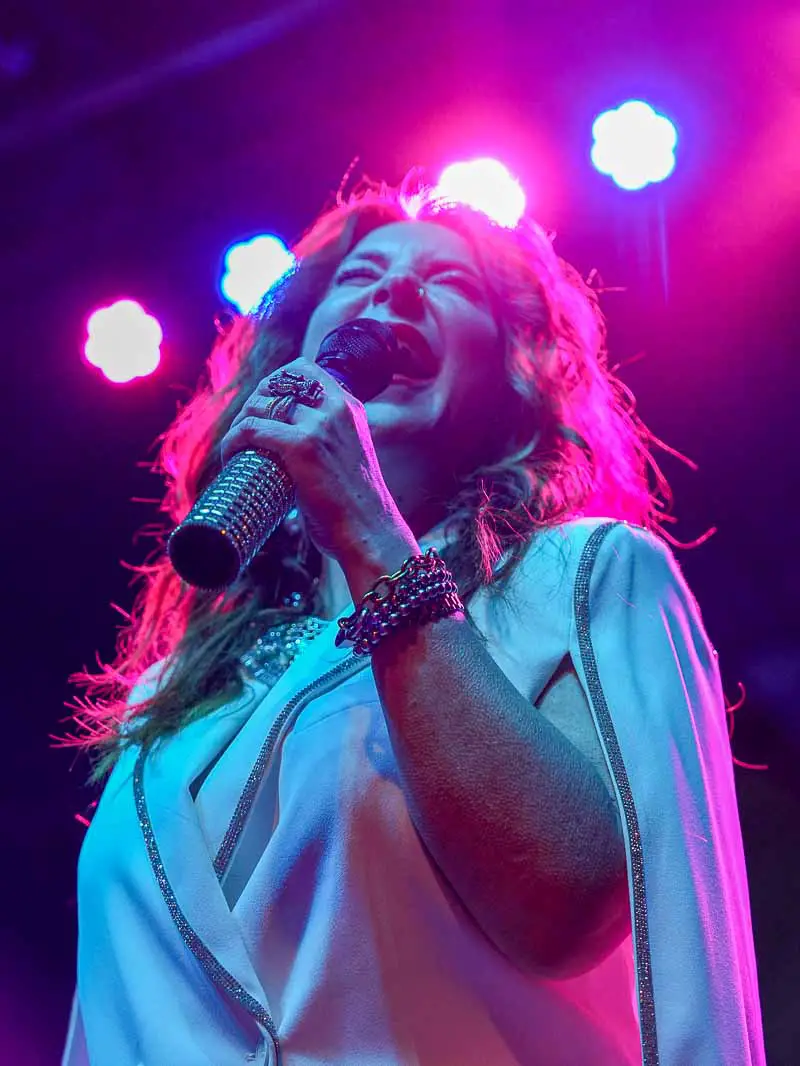
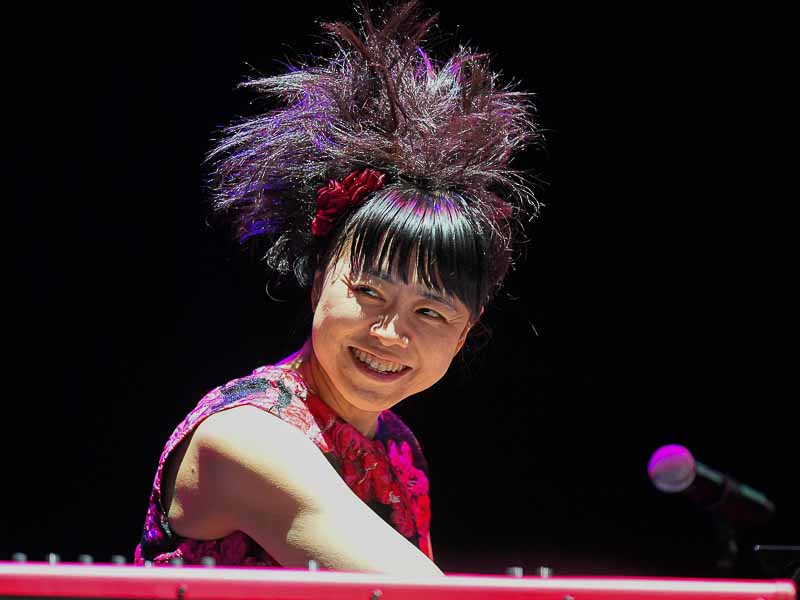
A lot of young talent came through the festival this year as well. Hiromi’s Sonicwonder was the biggest name on that front, commanding two big sets on the Kodak Hall stage to packed houses. Her youthful spunky demeanor at her piano and keys matched her fun appearance and spiky poof of hair. The piano, electric piano and synthesizer worked together and interchangeably creating spaced-out electro-forward sounds whipping the crowd into an un-jazz-crowd-like frenzy. They shone on originals like “Yes Ramen” and “Utopia” and a high-flying cover of “St. Thomas” alike.
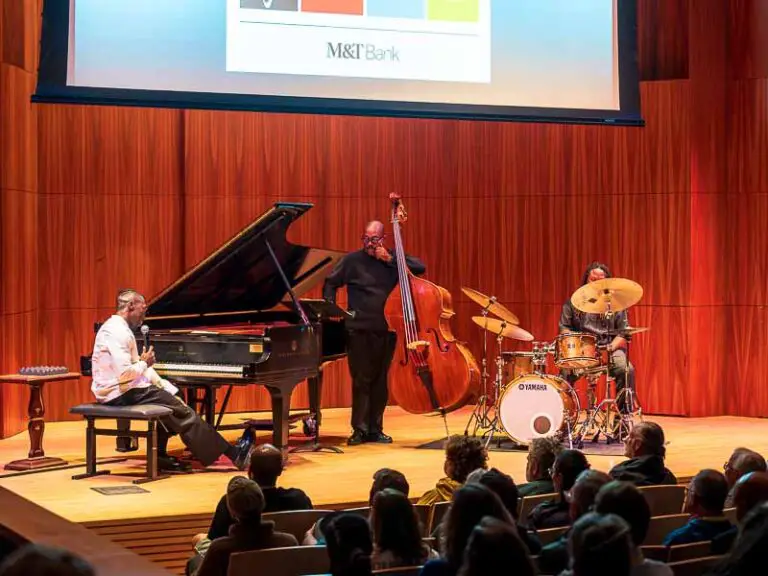
Another fresh-faced performer used “St. Thomas” as a launching pad. Paul Cornish and his trio played four sets over two days. First at the ballroom atmosphere of the Inn on Broadway and then in the more staid Hatch Hall. The festival provided a great opportunity to experience the nuances in their music in multiple spaces. “DB Song” found unlikely inspiration from drums and bass music. Connecting another point in the web of the festival, they also covered Salvant’s “Second Guessing” with near ASMR levels of minimalism.
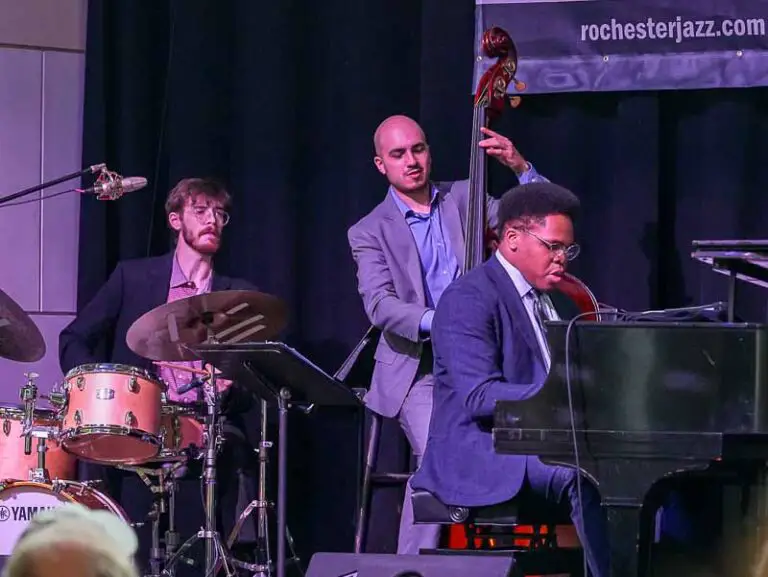
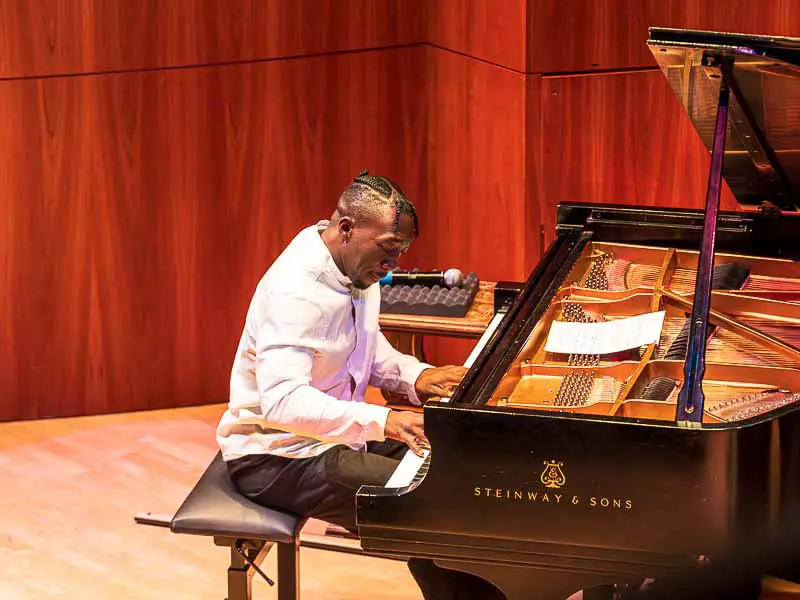
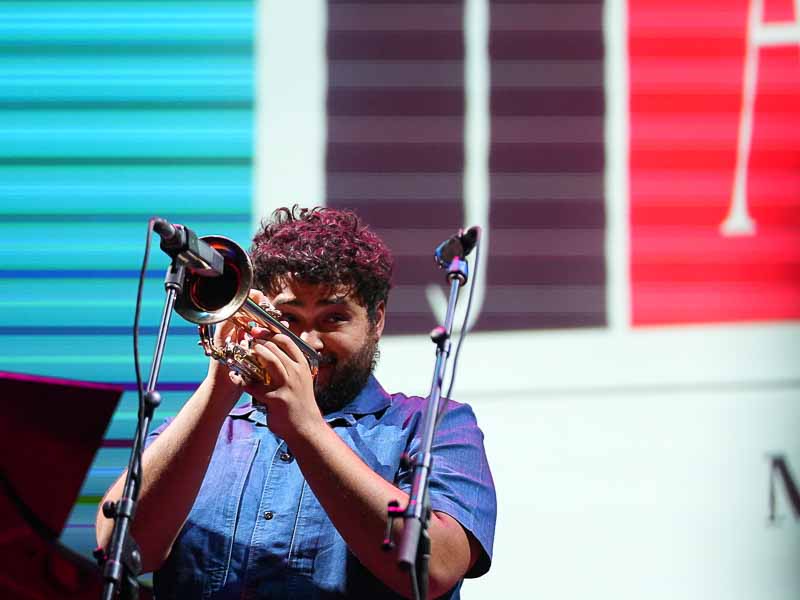
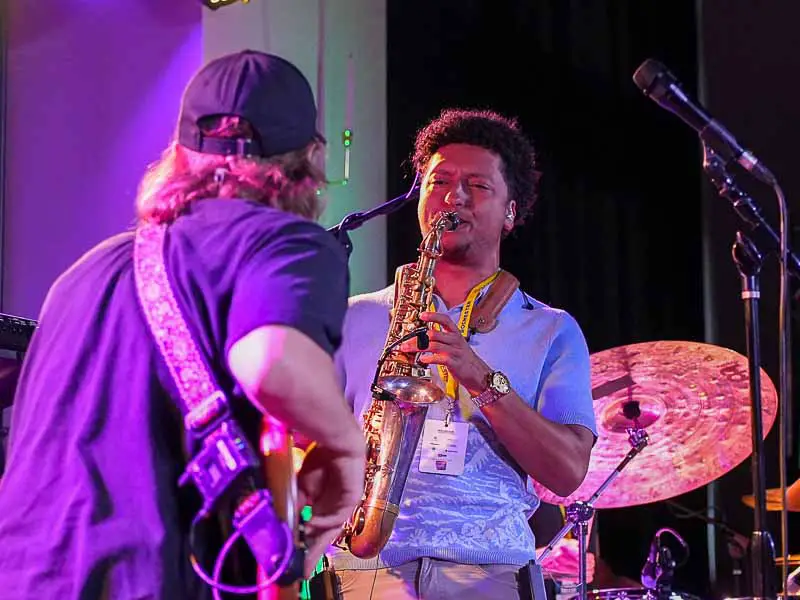
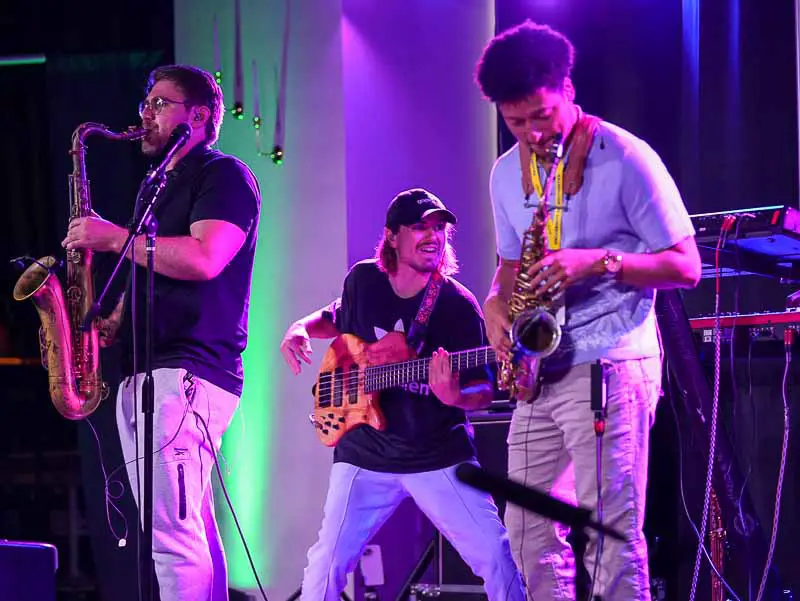
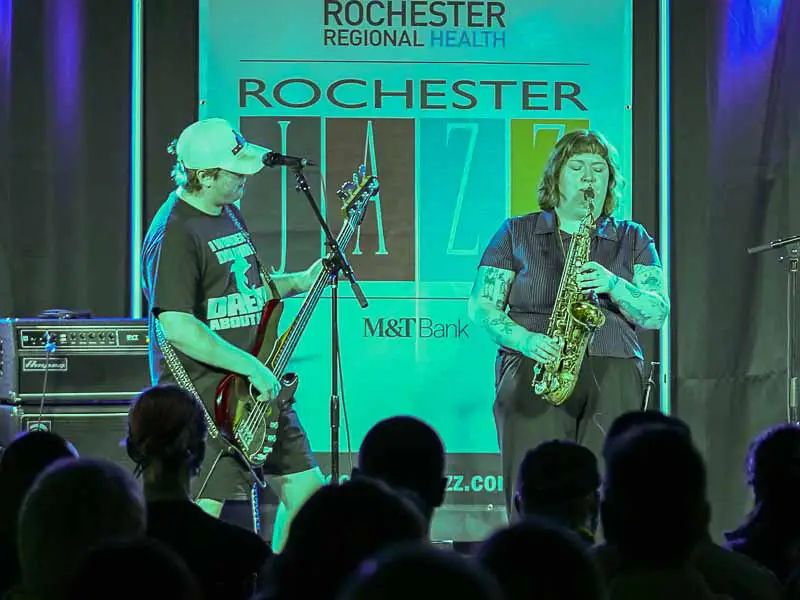
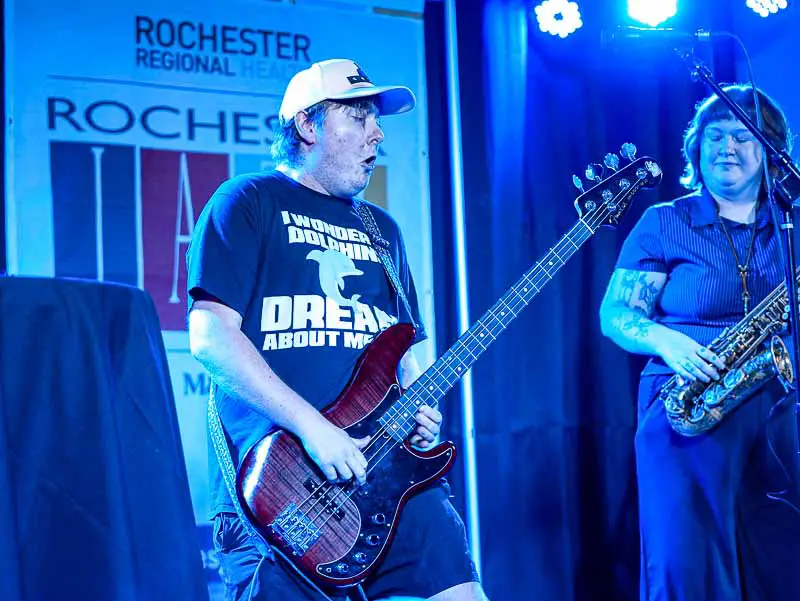
Some other new names that deserve mention. Brandon Woody Upendo showcase tight knit improv from a young and hungry sax-led quartet. Dolphin Hyperspace, a Los Angeles based trio of sax, bass and drums, played no holds barred, manic, eclectic and electric. A set closing “Green Chimneys” went full techno. Pianist Isaiah J. Thompson found inspiration in his birthday-sharing Duke Ellington, gospel and 80s pop culture.
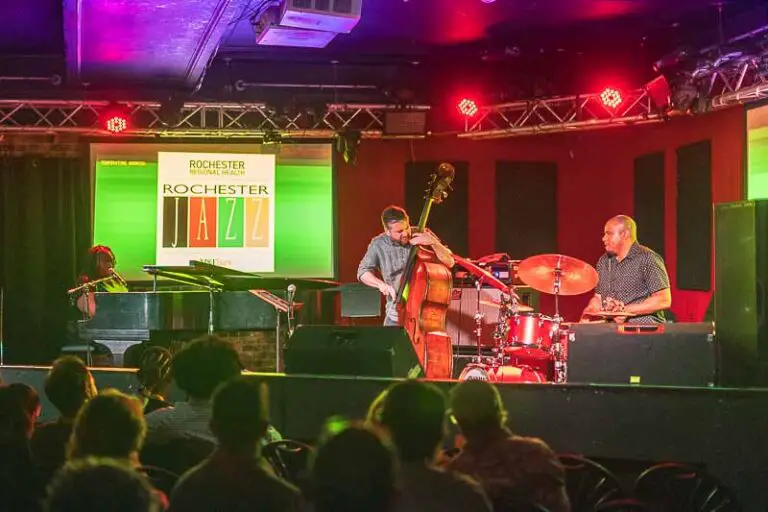
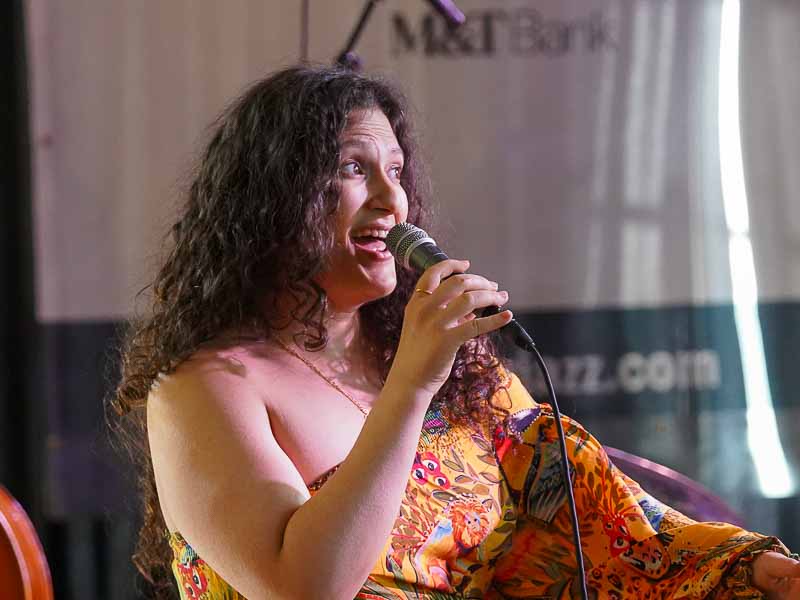
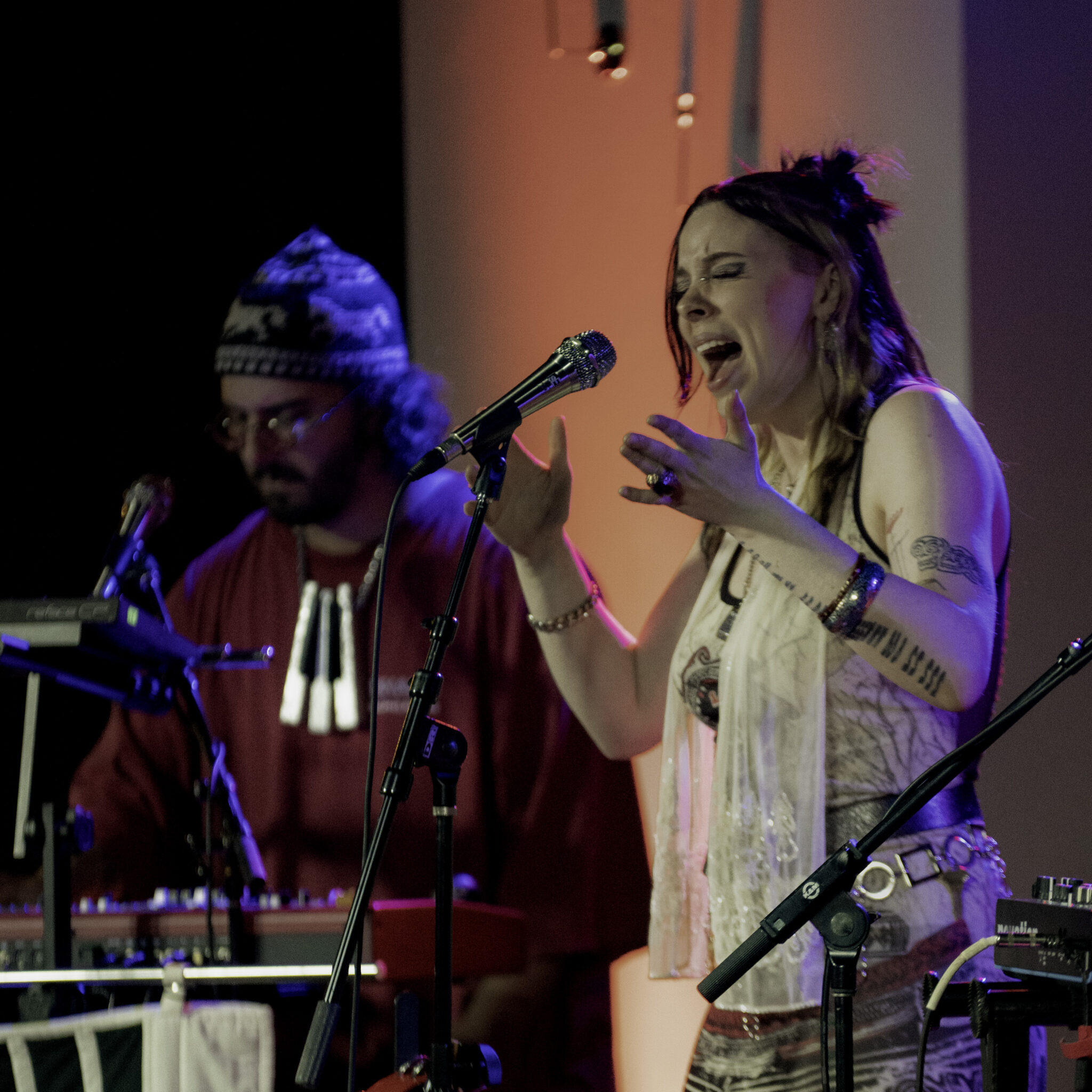
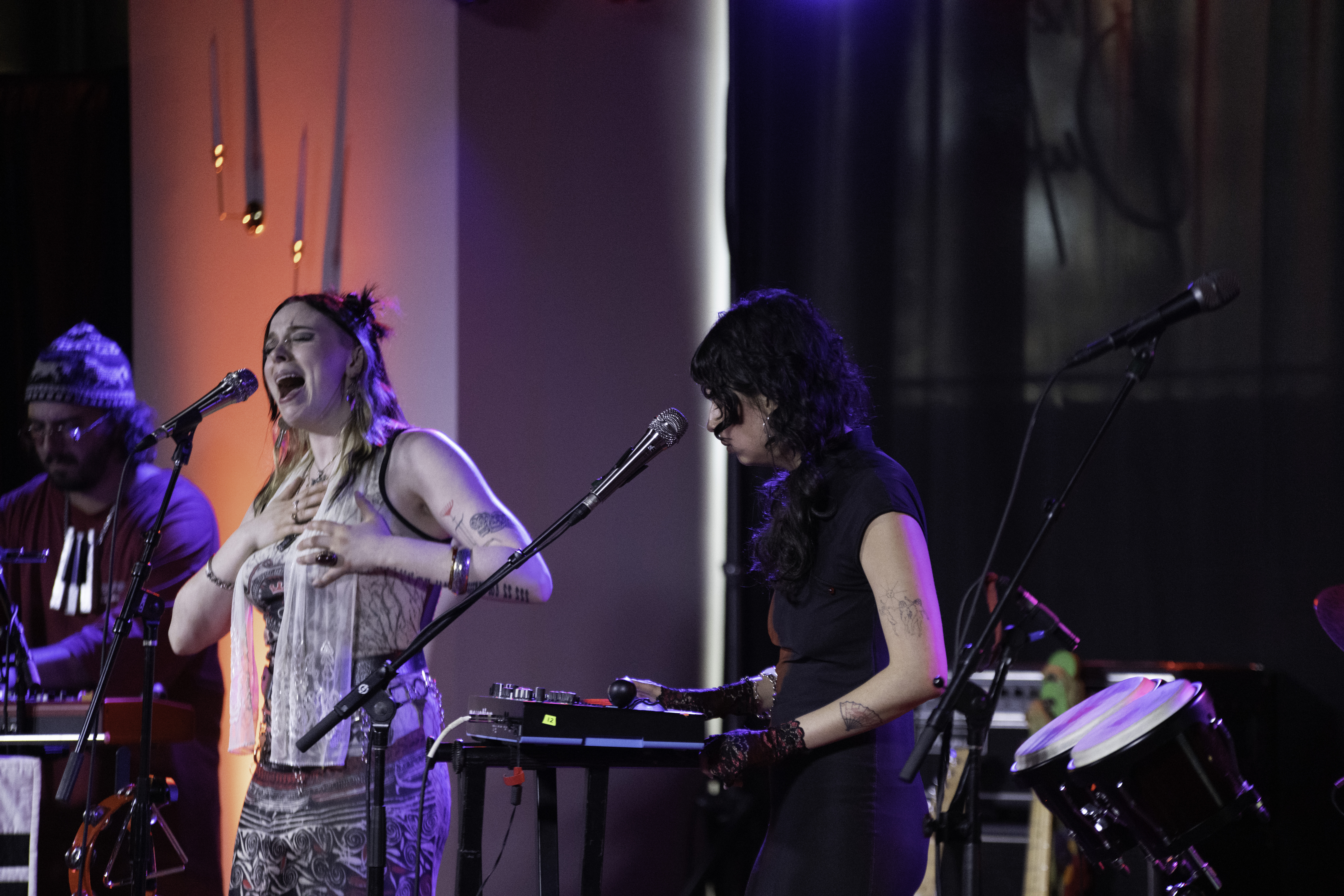
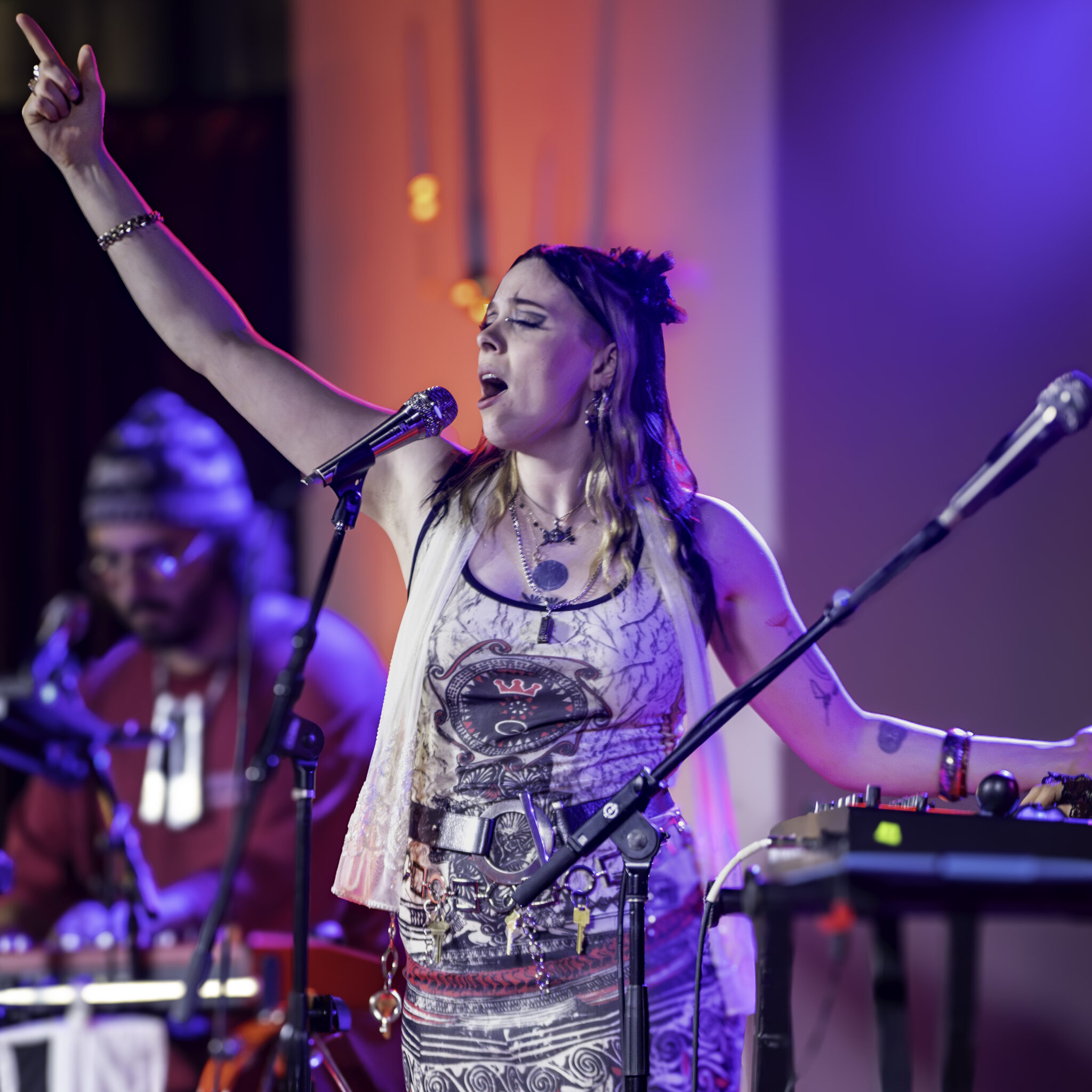
Brittany Davis recorded her album Black Thunder, fully improvised, lyrics and all, in under 48 hours. She brought that spirit to the Montage Music Hall stage that was a “journey of sound” and a “conversation between the past, the present and the future.” Built from improvisations, the off the cuff quality remained in the music, like she was preaching from the pulpit much to the delight of the audience who was returning the energy it was receiving. A thrilling set!
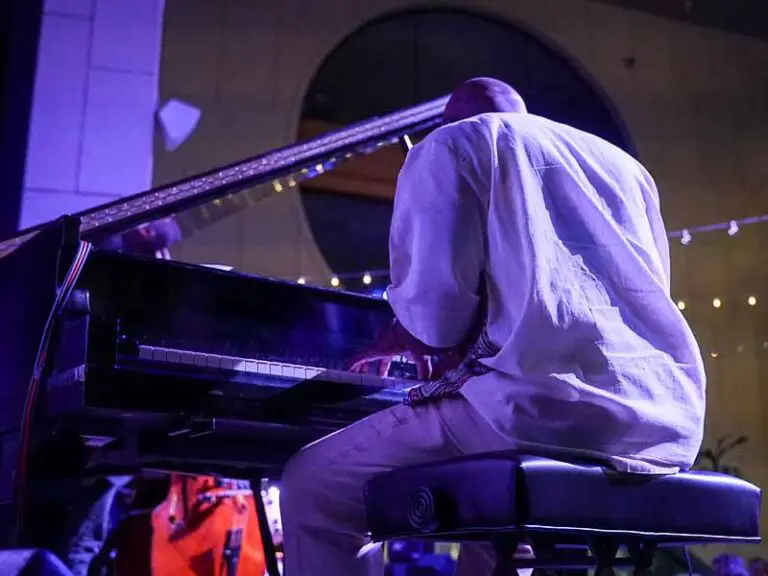
Every set is introduced by a local figure, thanking the sponsors, spelling out the house rules, and announcing the artist. But Orrin Evans had other ideas, and he researched his introducer and discovered he was a poet. So he called him back to the stage before and started his set with his trio backing a completely improvised poem performed on the spot. Improvisation was permeating every level of the festival.
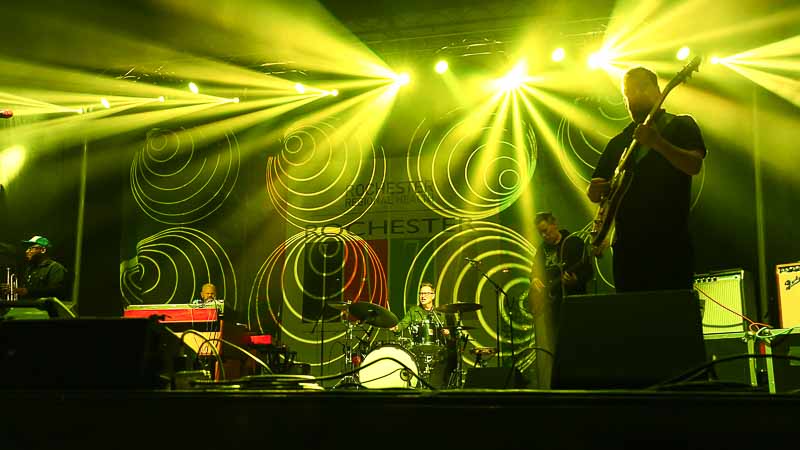
Even zooming out for the ten-thousand foot view, up past the drones shooting crowd footage at the festival-closing party being hosted by Trombone Shorty on the Parcel 5 stage, up past the clouds. imagine all the giants, Miles, Trane, Sonny… all of em, watching from the jazz heavens, straining for a sampling of the sounds. As each venue door opens the music from inside emerges in short bursts. Open close open close, like the valves of an instrument. From that vantage the festival footprint resembles some sort of horn, each burst of sound combining to make melodies, each night a measure, the whole festival an improvised song. And the 23rd edition, written into the books in 2026, must have sounded as good to the late greats as it did to us down here.
Bluesky Discussion
View on BlueskyNo replies yet. Be the first to comment on Bluesky!

Comments are closed.