
New York City’s reputation as the world’s creative capital is colliding with a stark reality: many of the musicians and small venues that define its sound can no longer afford to stay there.
The ongoing affordability crisis has emphasized the growing importance of the Mayor’s Office of Media and Entertainment. As soaring rents and venue closures push musicians and other creatives out of New York City, Commissioner Rafael Espinal is using policy, nightlife reform and initiatives like New York Music Month to build a support system for the people who create the city’s music culture.

The Mayor’s Office of Media and Entertainment (MOME) functions as a liaison between all of the creative industries of New York City, including music, television, theater and film, and the city’s government. The office also focuses on bringing opportunities to underrepresented communities in these spaces.
“We work to ensure that they have the resources, the tools, the access that they need in order to thrive in the city of New York, so that we can ensure that New York City continues to be the creative capital of the world, while creating real opportunities for New Yorkers who are trying to find a career in within these creative industries.” said Commissioner Espinal.
Commissioner Espinal understands firsthand the importance of protecting New York City’s music scene. A Brooklyn native, he grew up in a predominantly Black and brown immigrant community where rap and hip hop ruled the music scene. He gravitated toward indie and alternative bands that didn’t quite match his surroundings, saying that tension, and that soundtrack, helped him survive emotionally.
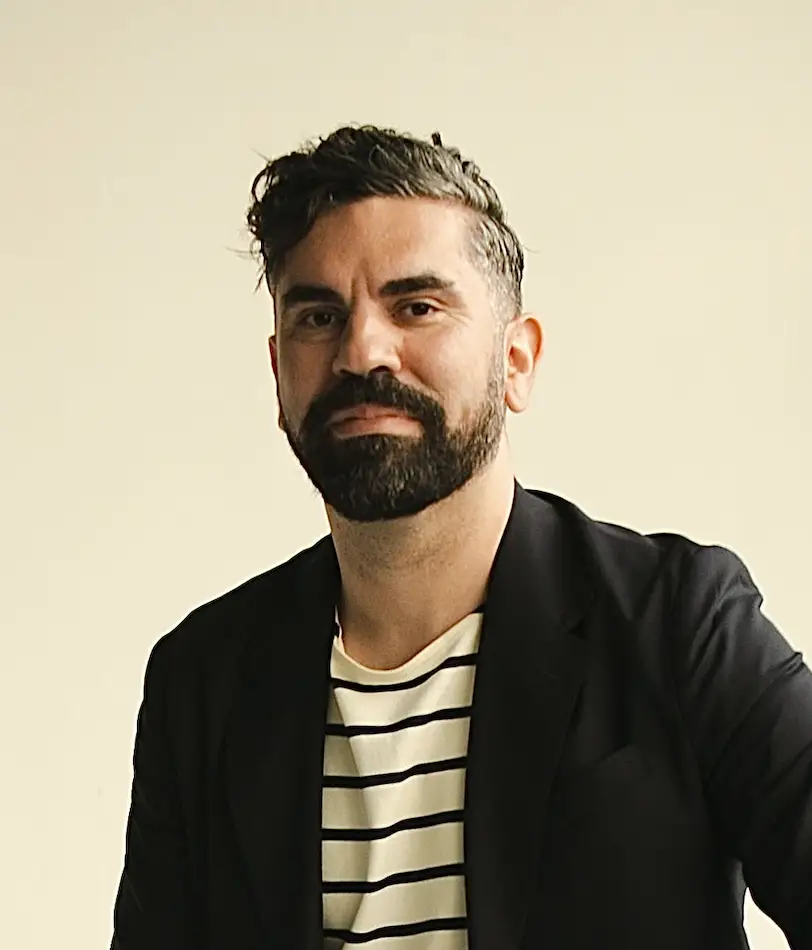
“I think for me music was an escape in a way to expose myself to stories and experiences that are different from the ones that of the communities I grew up in.” said Commissioner Espinal. “While it was an escape, it was also a way to connect with my own feelings and ways to process emotions that I would go through, whether it be heartbreak or loneliness or excitement. So, I would say music played a vital role in my overall mental health.”
In addition to the music itself, the city’s live performances helped to shape his taste as well as introduce him to diverse spaces. In underground spaces across Bushwick and Williamsburg — places where a Mexican metal band might follow a scrappy indie act from Ohio — he found a rare mix of sounds and faces that made him feel both seen and at home and brought diversity and a newfound pride to the forefront of his experience.
“Being in those spaces allowed me to feel more comfortable with myself… and I think it really opened up the way I saw the city of New York as a young person… as a place where there’s a lot more opportunity than what I thought there was,” Commissioner Espinal said. “I thought I would have the city to be able to have those types of experiences, and once I saw that those experiences were in Brooklyn and were becoming progressively more available, it really shaped how I saw and interacted with the state of New York and made me find new profound love for the city I grew up in.”
Today, these spaces and the experiences they provide are becoming harder and harder to come by throughout New York City. That sense of discovery and belonging now runs up against a harsh reality. With artists and creatives forced to take on other jobs and roles to make ends meet and venues facing closure due to increasing rent prices, Commissioner Espinal said that the music and art industries have been facing a real struggle for the last 10 to 15 years.
However, these challenges are exactly what he seeks to combat through his work with MOME and its initiatives.
“Now, as Commissioner, I’m working currently to think about how our office… can further our efforts in bringing the musicians, the record labels, the venues to the table, so that we can better understand what are their issues, and think about how we can take a whole of government approach to helping solve those problems,” he said.
One of these important initiatives is New York Music Month (NYMM). Now in its ninth year, the month both celebrates and amplifies the music industry across New York City through free events for artists, industry professionals and fans alike. This year’s programming has included over 60 events across the 30 days of June, such as live performances, talks, expert-led panels, workshops and masterclasses and the NYMM conference. Beyond the prolific days of NYMM, though, Commissioner Espinal is already looking ahead to see how to provide the same type of support and initiatives year-round.
“I think at the end of this month we’re going to continue thinking about how do we continue to evolve that impact beyond one month? How do we ensure that every month we’re thinking about music and thinking about how we could be supportive to musicians and the whole musical ecosystem?” he said.
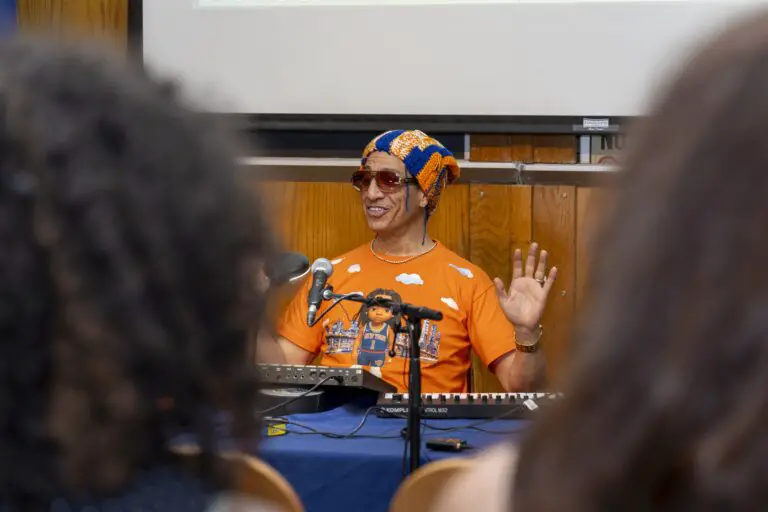
One way this will manifest is in the “Made in NY” Media Academy, a new workforce development initiative that aims to meet the evolving workforce needs of New York City’s media and entertainment industries, offered at no cost to New Yorkers. Announced by MOME and NYC Small Business Services (SBS) on June 16, the program will offer an adaptive training portfolio to prepare New Yorkers for a range of diverse areas, including audio production, graphic arts, digital content creation, emerging technologies and more through City University of New York (CUNY) colleges, including Queensborough Community College, Kingsborough Community College, and Hunter College. The announcement at Queensborough Community College also included a tour of the music facilities and a masterclass in music production given by Grammy-Award-winning producer Kid Capri.
“I enjoyed hanging out with everyone at Queensborough!” Kid Capri said. “Always remember to hit Control S,” he added to remind beat producers to always save their work.
Among the course offerings will be a Music Production Bootcamp at Queensborough Community College starting September 15. The 10-week innovative training program will combine music production techniques with hands-on experience in recording studio environments. Bootcamp graduates will receive assistance with securing employment in commercial recording studios, live recording venues, radio and broadcast networks, and with manufacturers serving the music production field.
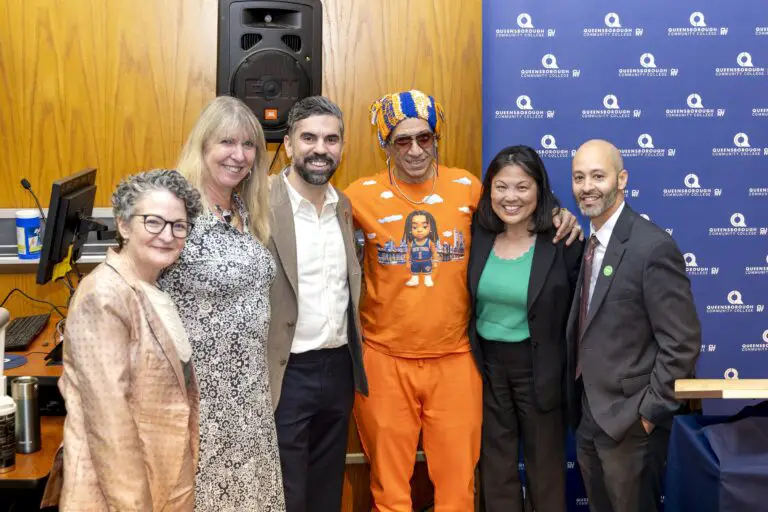
“The ‘Made in NY’ Media Academy represents a new way to train New Yorkers for opportunities in our city’s world renowned creative industries,” said Commissioner Rafael Espinal. “Rather than focus on a single occupation, the Academy’s offerings will evolve in response to real-time labor market shifts and emerging demands across the media sector, ensuring New Yorkers have the relevant skills to stay employed and take on new career paths.”
Commissioner Espinal is looking ahead to the future of New York City’s music industry. He’s looking to cities like Nashville and Austin, where the idea of being a “music city” is reflected in policy choices and decisions by the city. His goal is to push New York City in the same direction by narrowing MOME’s focus to music and even hiring a dedicated music director to focus on supporting the artists and musicians and the spaces that they depend on.
“I feel that New York City is a music city, and that there is more that we have to do to signal to musicians that we are here to support them.”
Bluesky Discussion
View on BlueskyNo replies yet. Be the first to comment on Bluesky!
Comments are closed.