


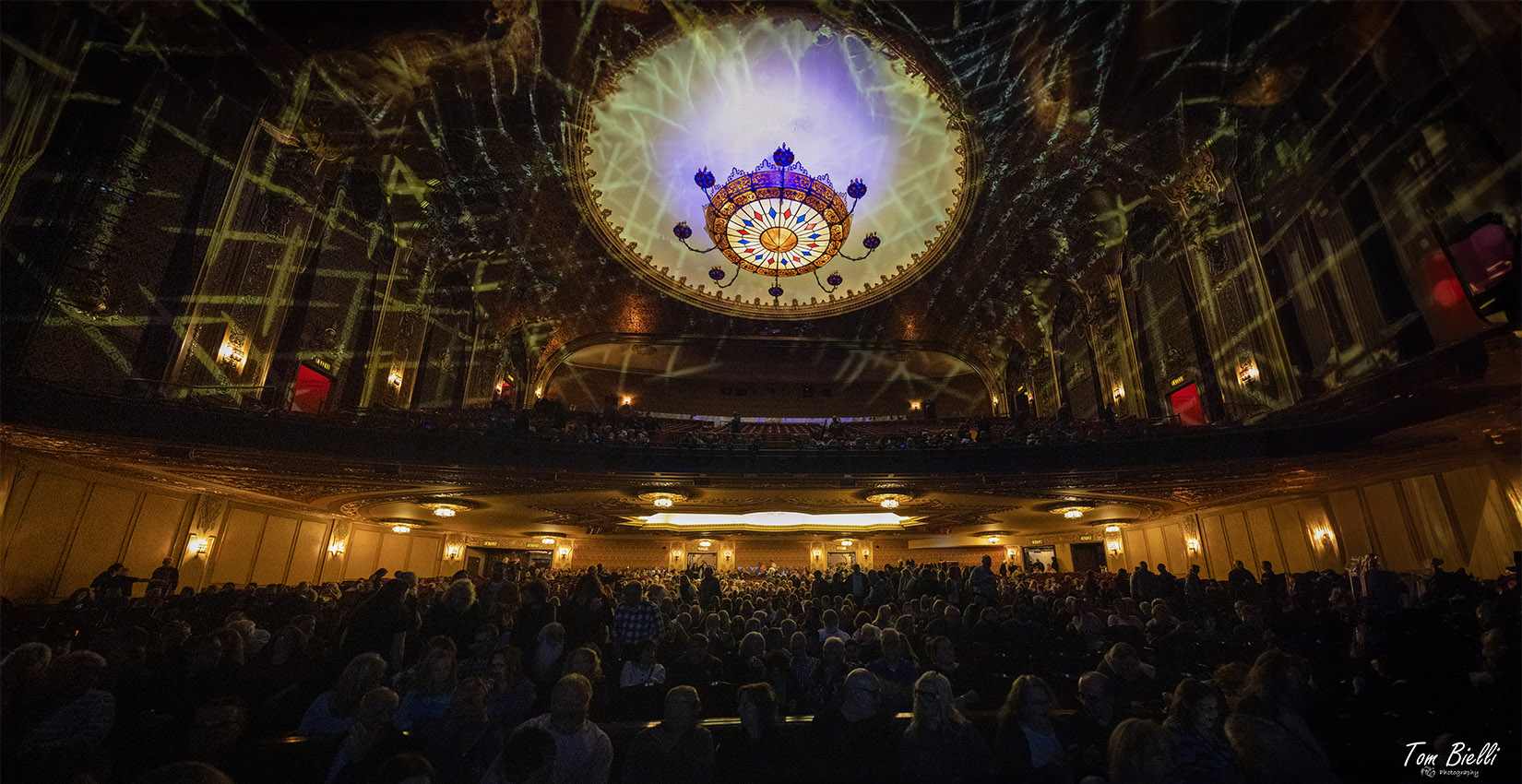
“Genesis” is defined as “the beginning, origin or creation” of something; but Tuesday night, Oct. 20, fans saw something pretty special RE-created at Utica’s Stanley Theatre: The Phil Collins Story.
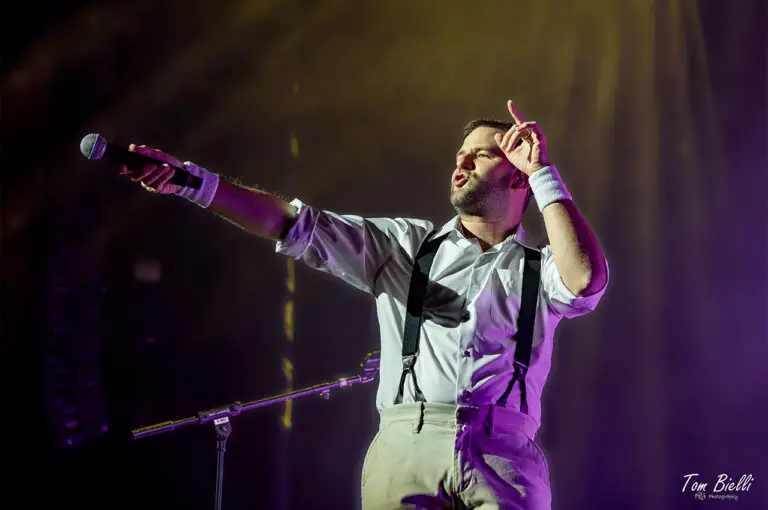
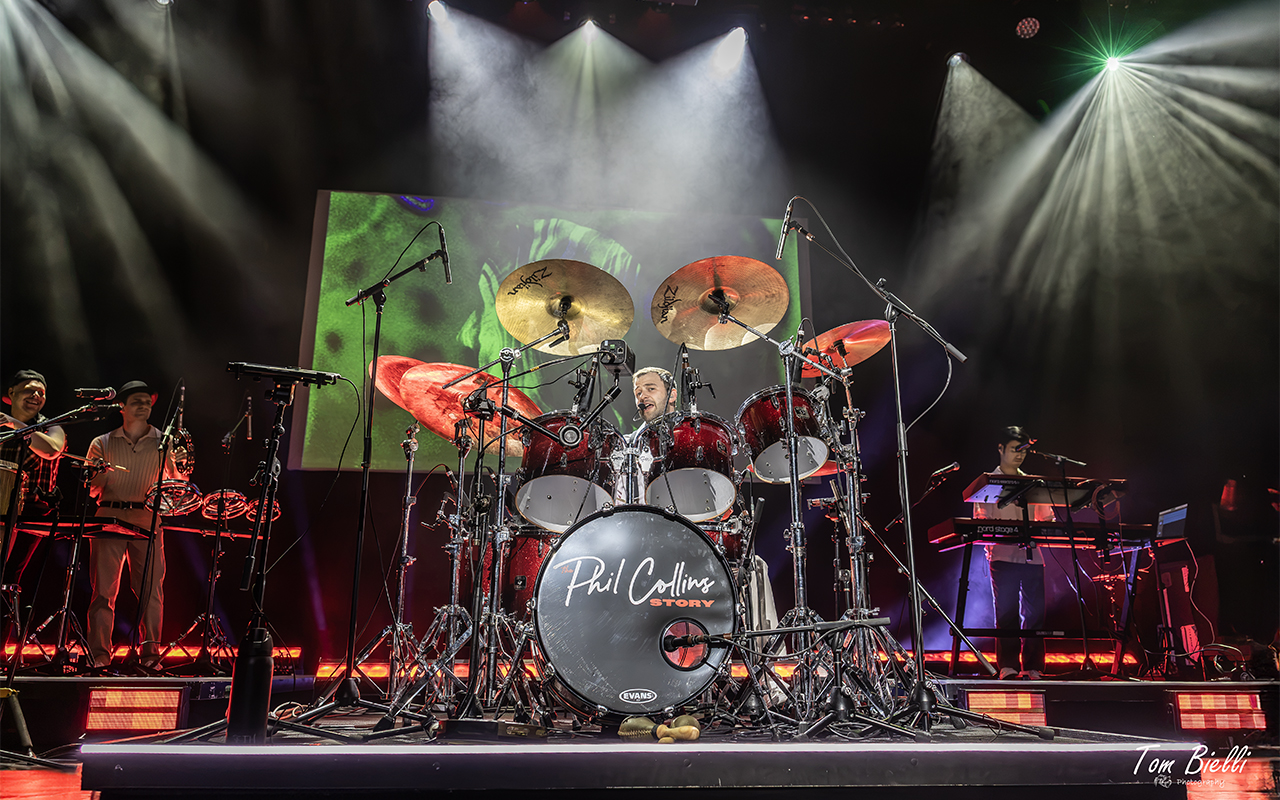
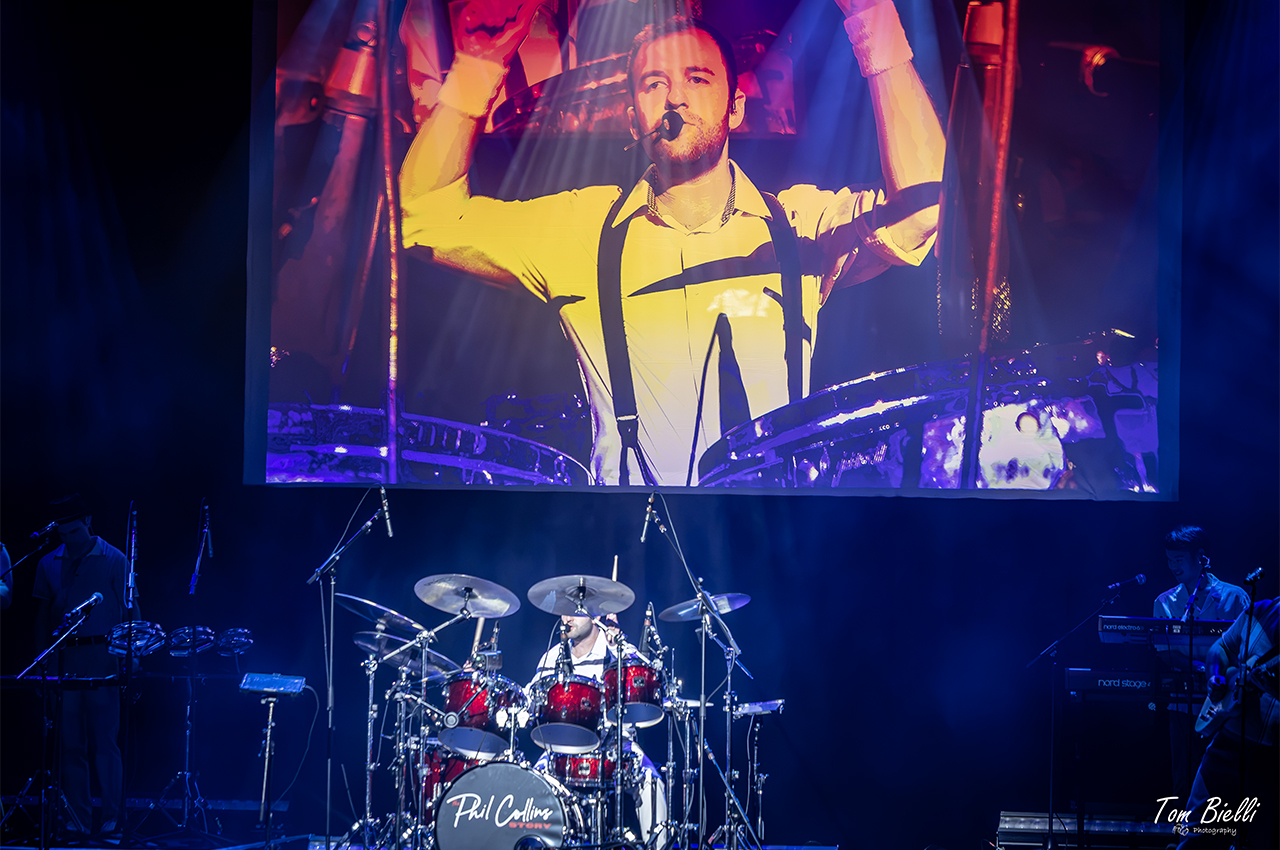
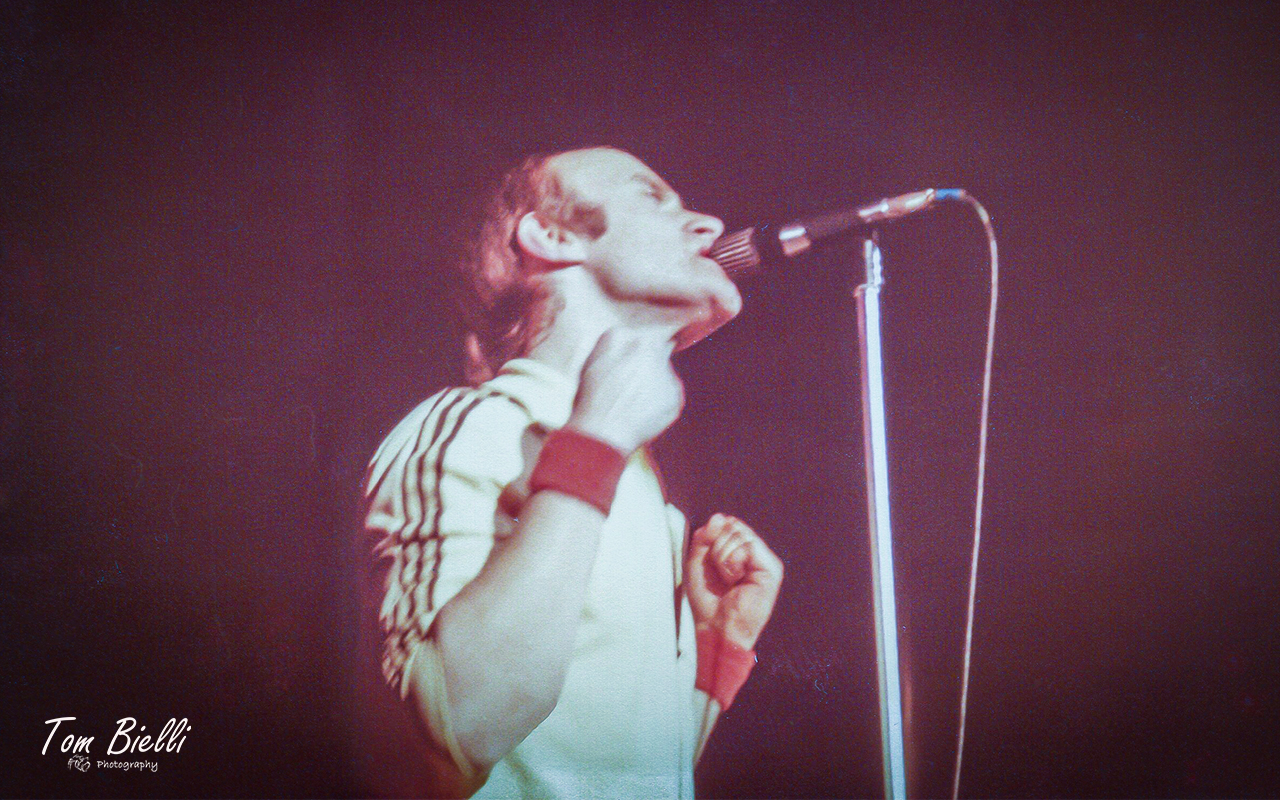
Phil Collins, lead singer for the chart-frequenting band, Genesis, from 1975 until he became known as a solo singer/songwriter in his own right, stopped performing after life-altering medical issues in 2022. His legacy, however, continues with London producer Dan Elliott’s “The Phil Collins Story,” a tribute band on steroids that travels extensively, staging not only Collins’ diverse music, but its trademark sound, lighting effects from past shows, similar costuming, and even a lead singer with a Brit accent who looks a lot like Collins did in his prime.
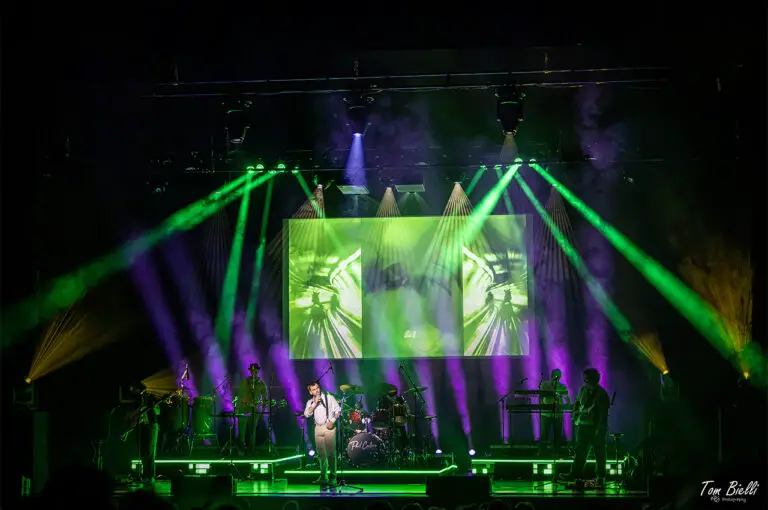
The production is slick, moves along at a high-energy, rapid-fire pace, and provides enough narration to more-or-less chronicle the stages of Collins’ career (although the band does perform some numbers out of chronological order).
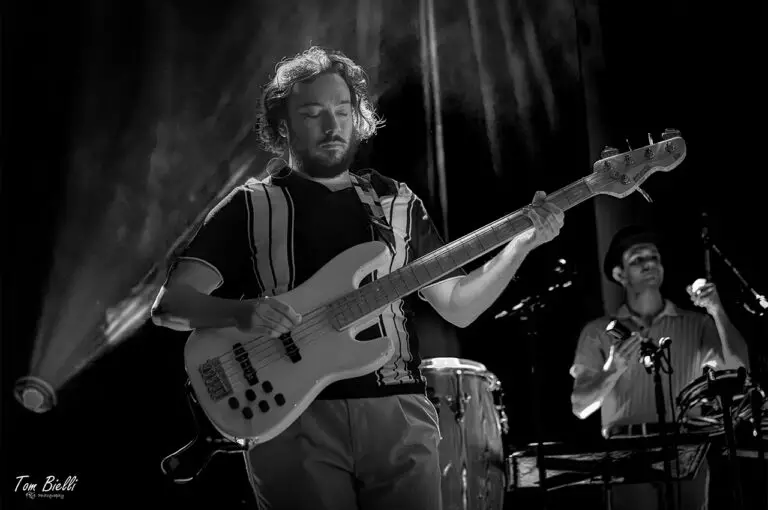
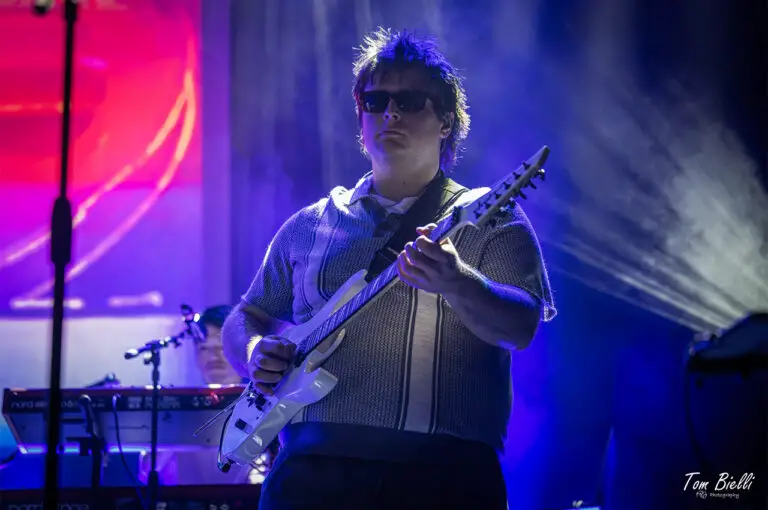
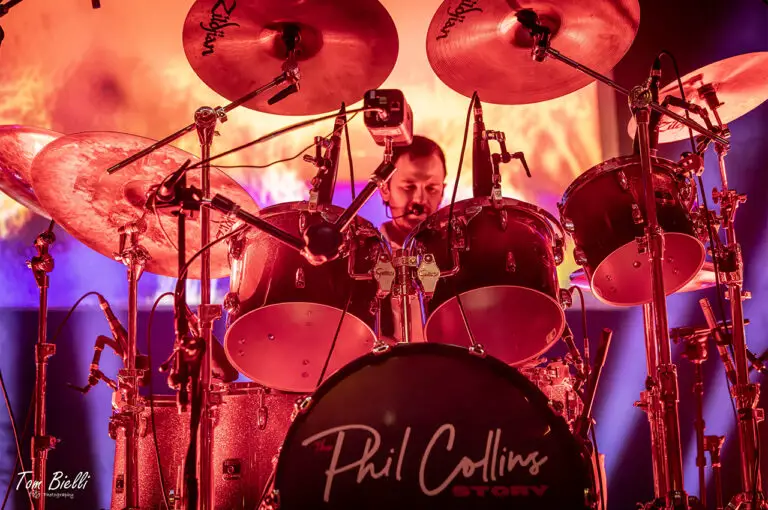
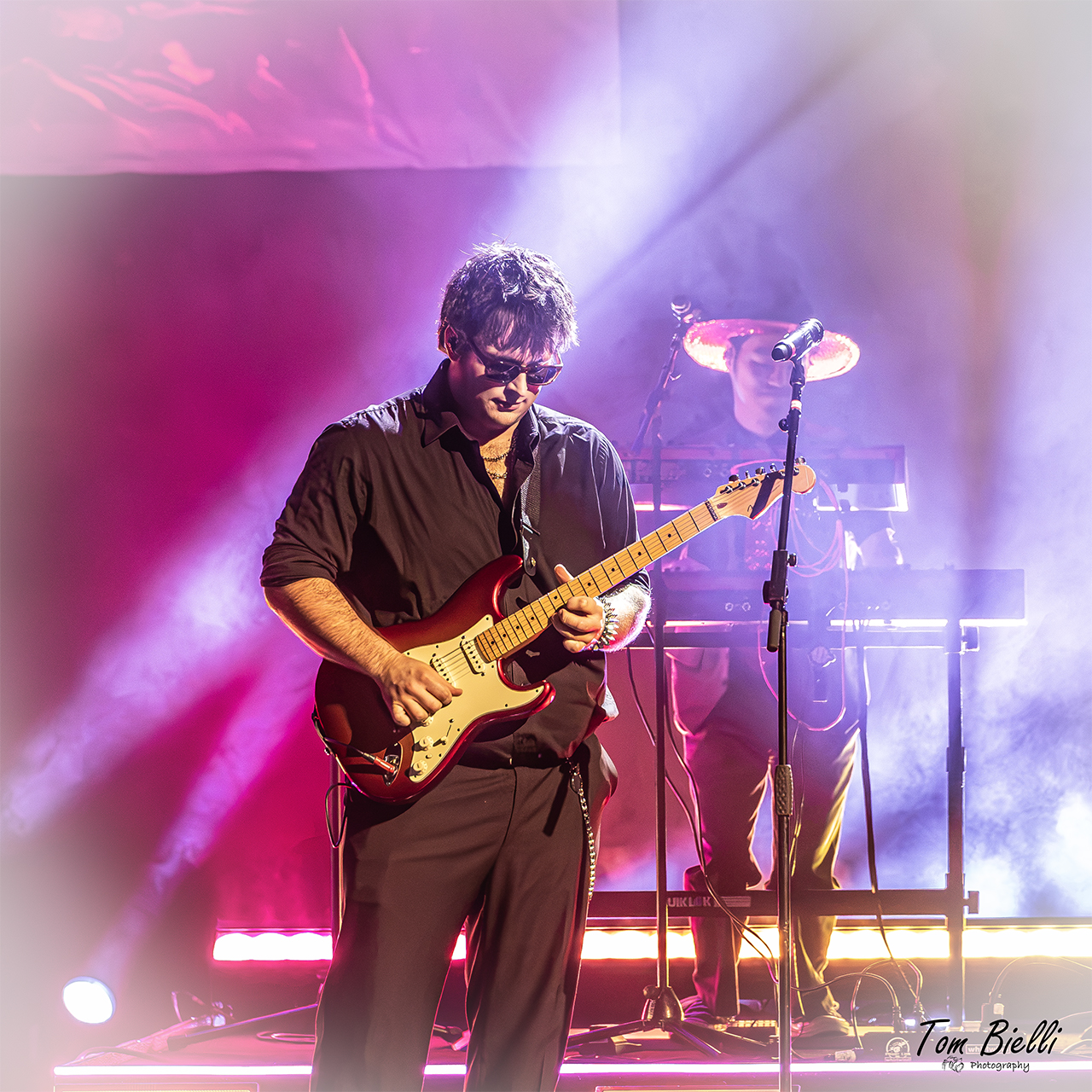
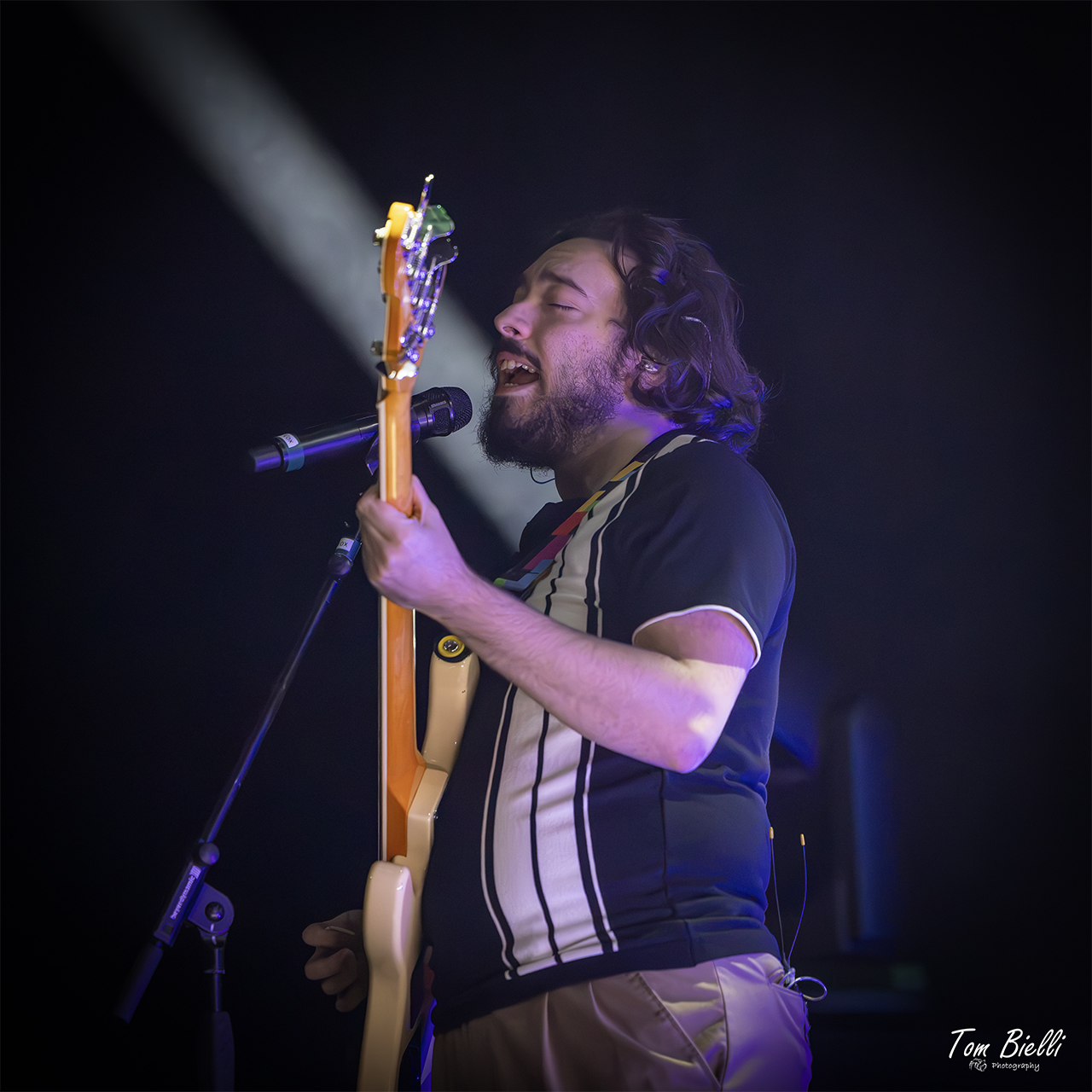
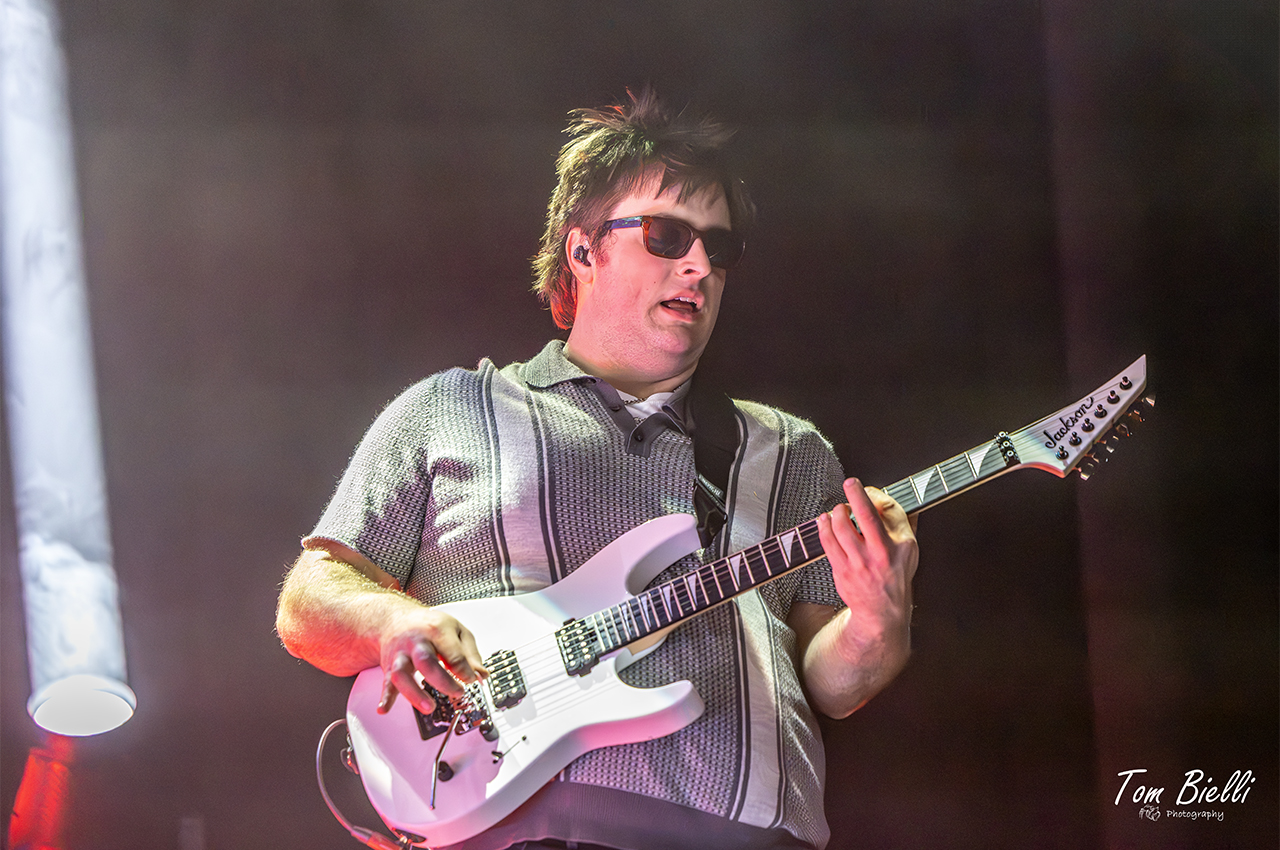
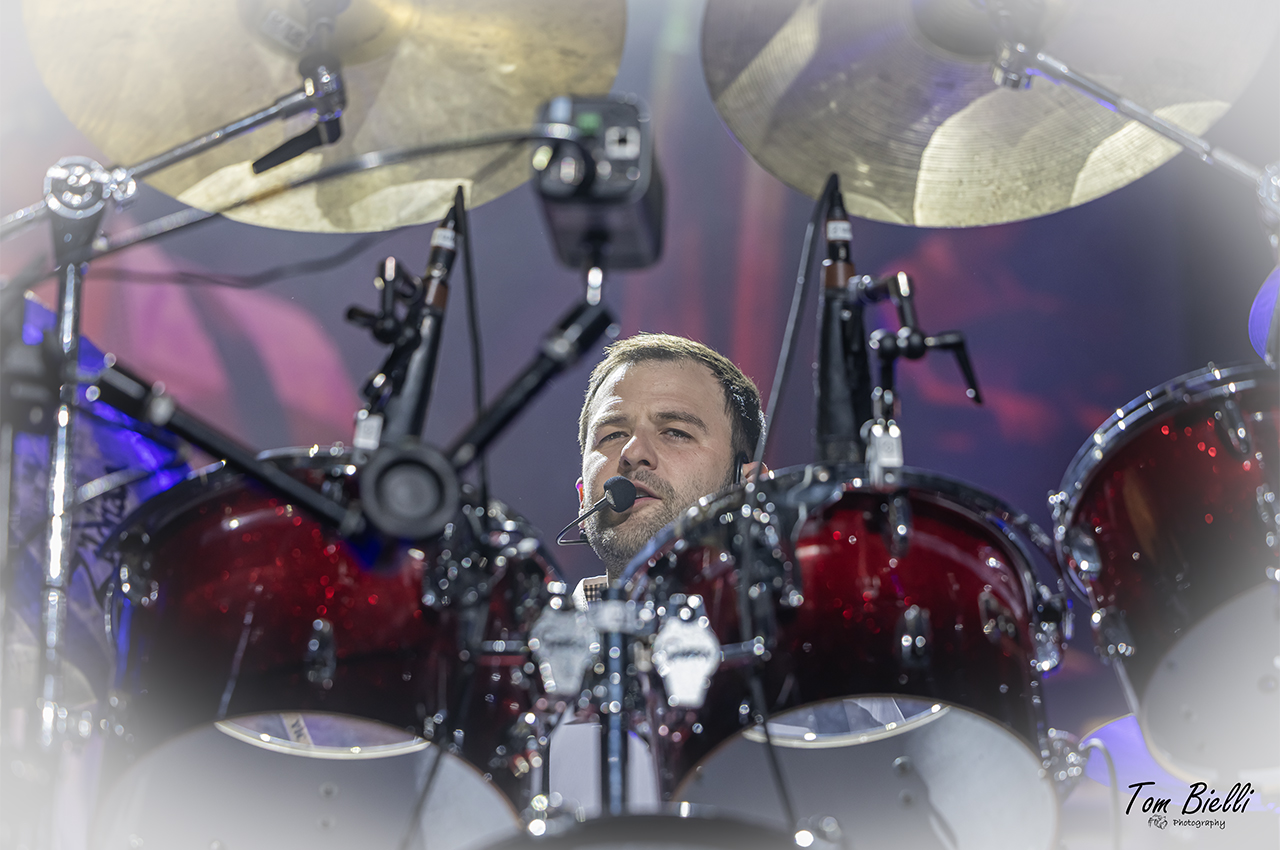
The band tours with six members: musical director Sachio Nang, who handles keyboards; Jimmy Kowalczyk on drums; Miles Ahlstrom on guitar; Peter Michaels on bass; and Jeremiah Smith or Seth Eliser taking Collins’ role at lead vocals and sometimes drums, but all are multi-instrumental and most have a musical theater background to some degree.
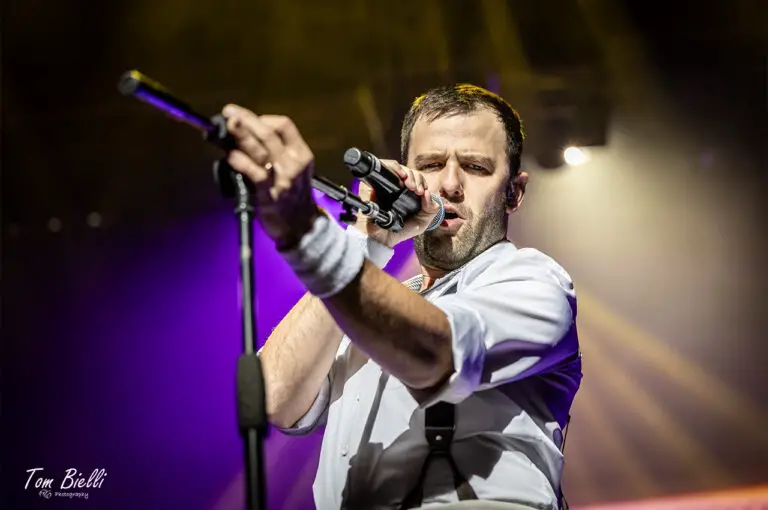
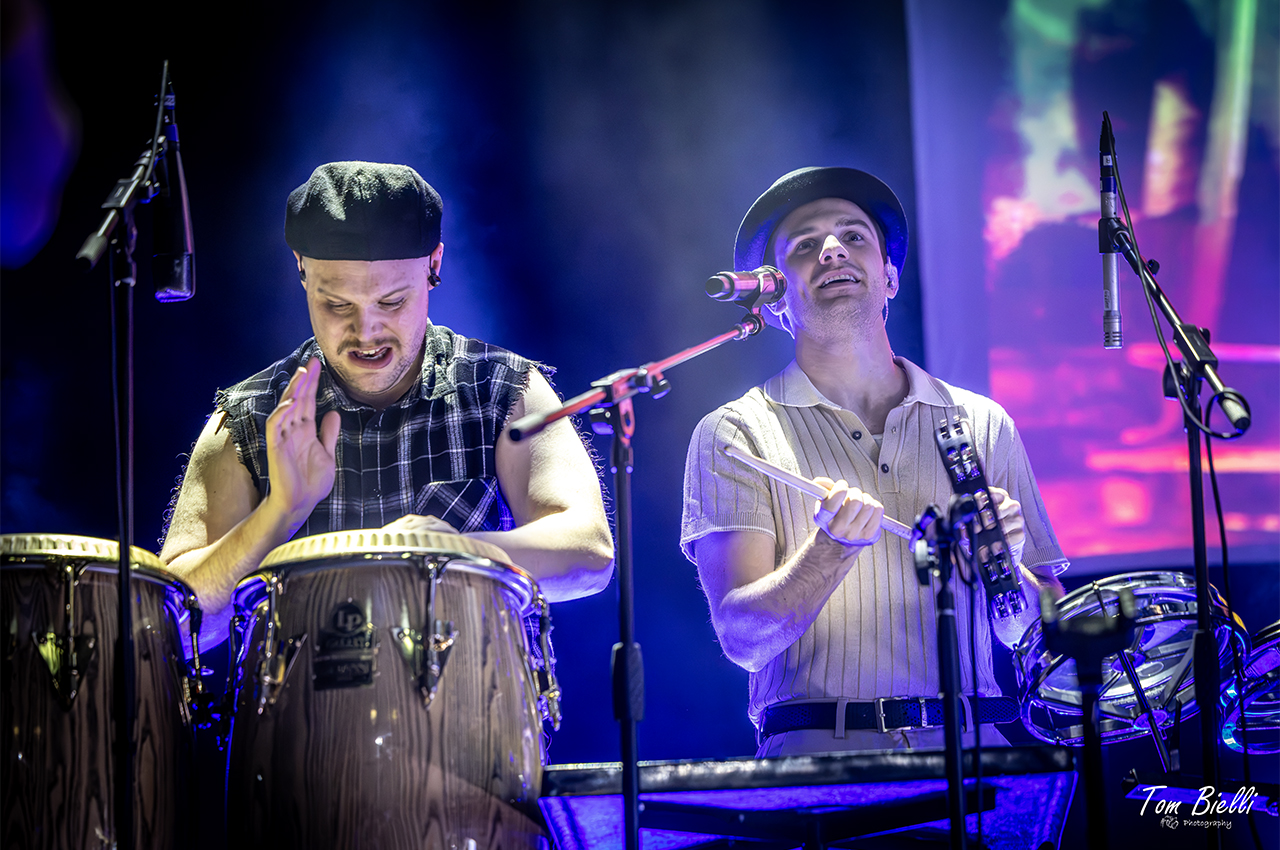
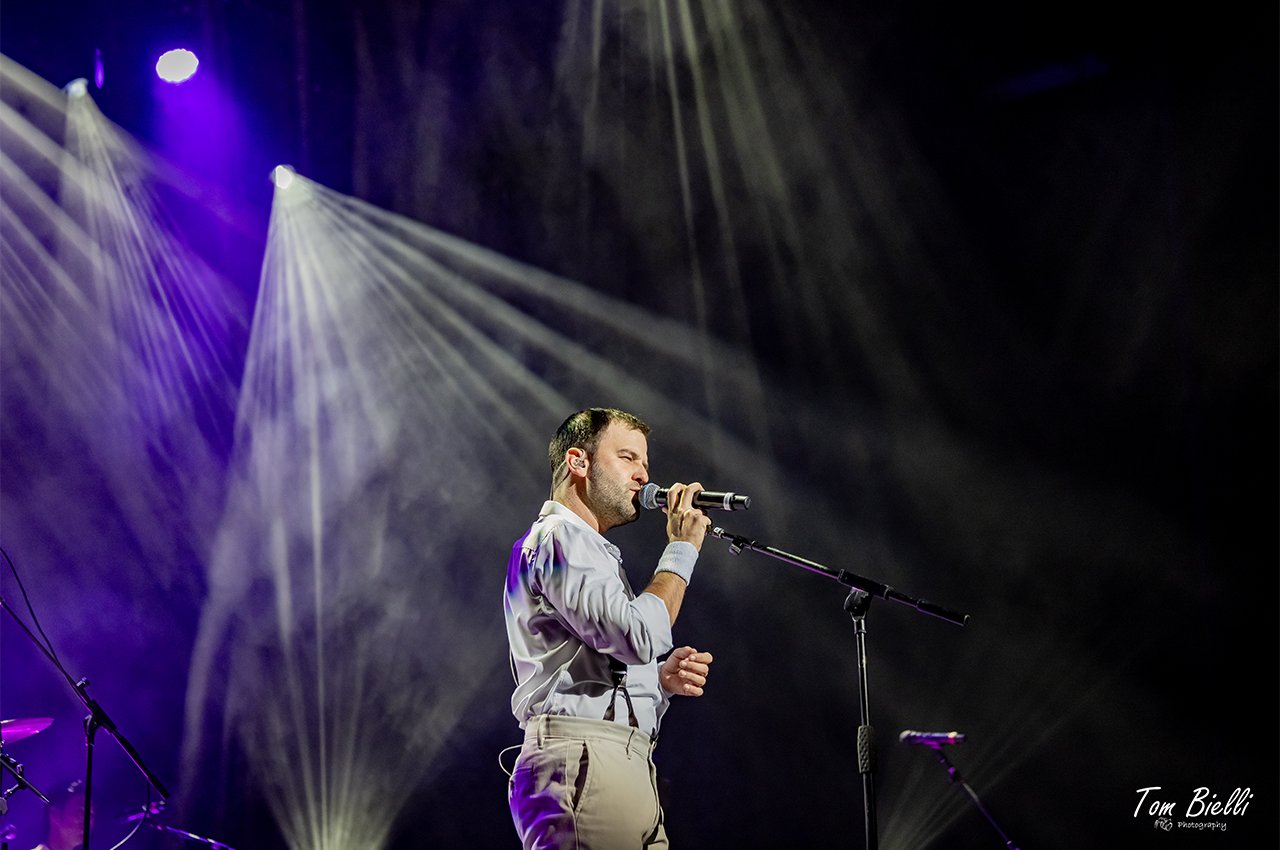
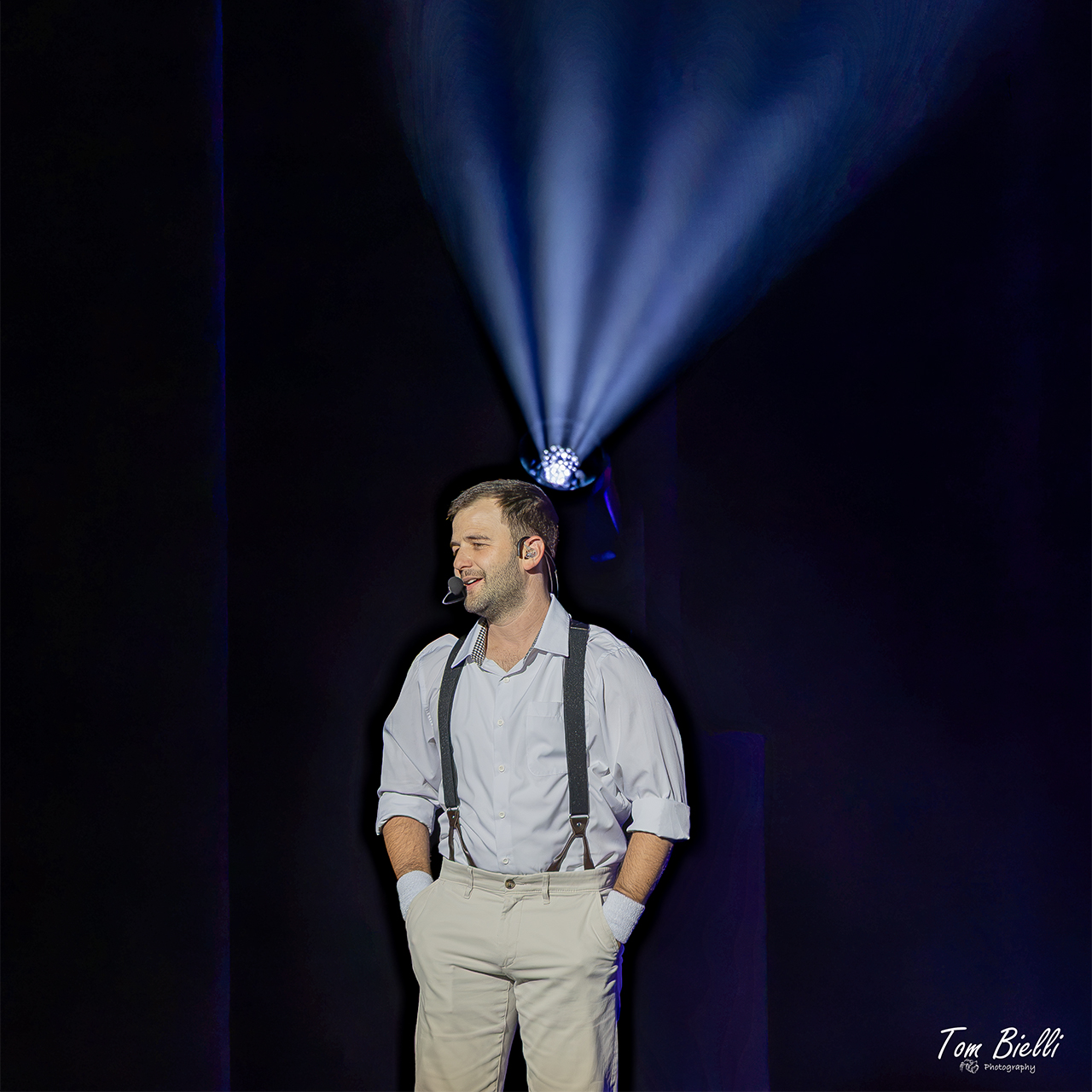
Tuesday night, Smith manned the percussion section adeptly while the audience was treated to a Phil Collins near look-alike in Eliser, whose hair was cut short in the style of a 1980s and 90s Collins, and whose build even resembled that of Collins. Mostly, however, it was Eliser’s voice that paid handsome homage to Collins’ timbre and interpretation. The Brit accent from a Louisiana, USA boy also contributed.
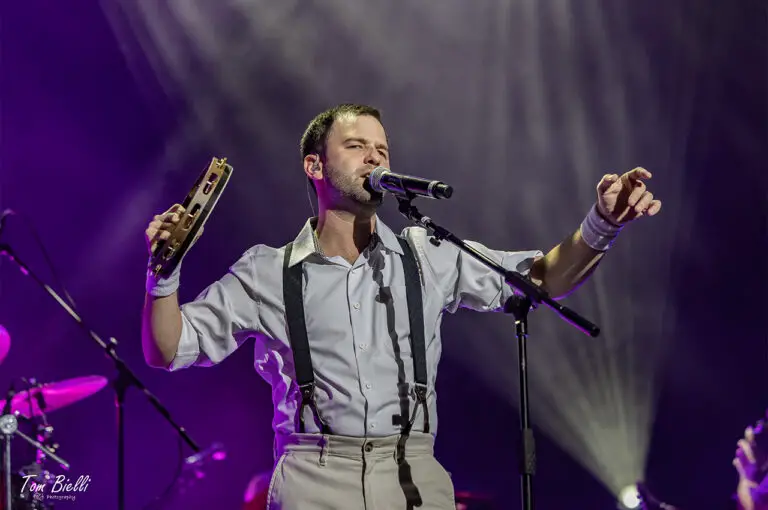
The band led off with the energetic, electronic sound of “Sussusudio” without any introductions, after which Eliser gave some history on Genesis’s 1960s origins with Peter Gabriel at lead vocals, then introduced “Follow You, Follow Me,” the band’s “first big hit with Phil Collins behind the microphone” leading the way in “defining a generation of music.”
I remember that “generation” during the 1980s as synthesized, electronic love songs and tunes about heartbreak, and The Phil Collins Story did not disappoint as it branched into a litany of Collins’ songs from that era, moving from “Misunderstanding” to “Abacab” ( the first song to make music charts in the UK and US, per Eliser).
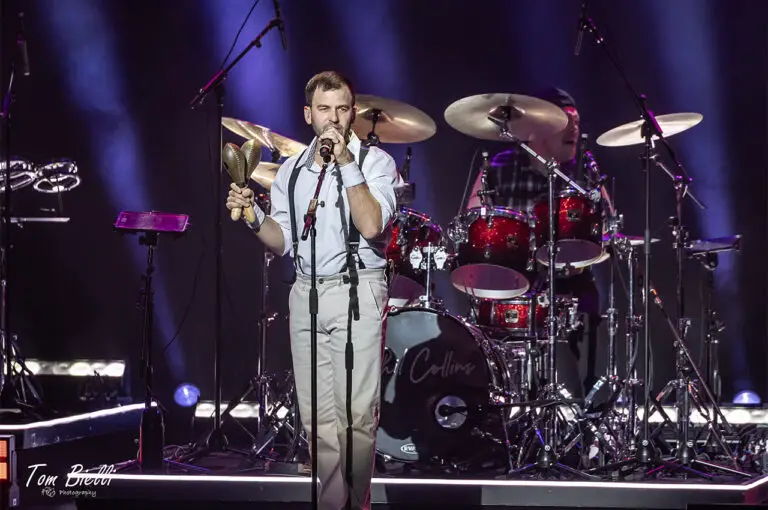
Eliser moved about with showmanship center stage, connecting here and there with his fellow musicians, playing tambourine and maracas, doing a little footwork and overhead clapping to engage the audience, and playing the drums for “Misunderstanding” while crooning the lyrics. Eliser noted that Collins joined Genesis as their drummer during Gabriel’s tenure as lead vocalist, but slid into the lead vocalist role when Gabriel left the band.
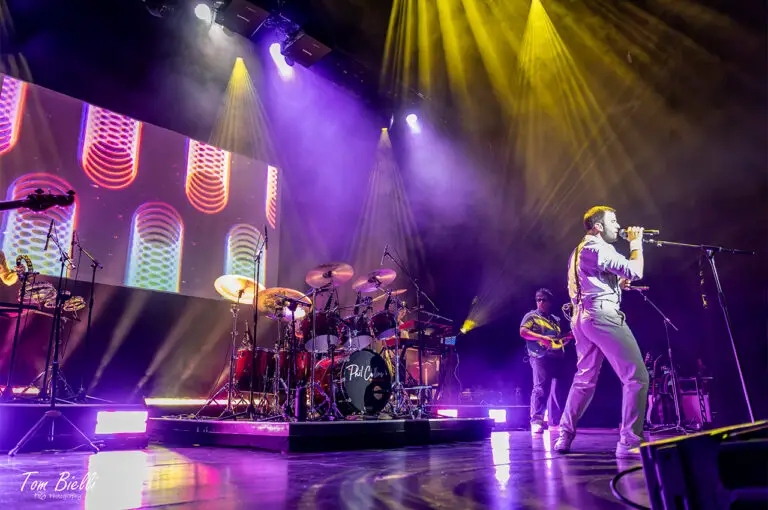
“As their willingness to evolve grew, so did their audience size,” Elizer commented during his introduction of “That’s All,” Genesis’s first song on the U.S.’s Top Ten Billboard. “They were not just surviving the 80’s.”
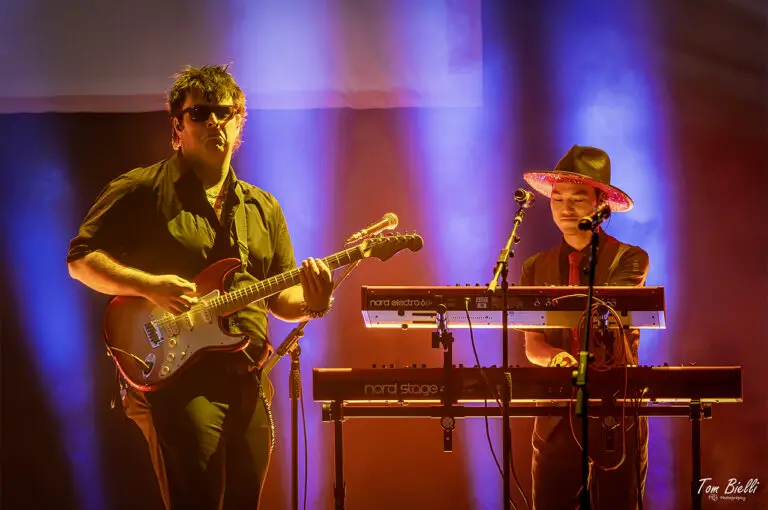
Part of “not just surviving” apparently included experimenting with sound effects, electronic mixing and vocals, as in “Mama” with its haunting instrumental prelude, long, passionate vocal high note, and bizarre, almost ghoulish laughter and gurgling, gagging sound that Eliser produced after the demonic “ha ha, ha, ha’s” which refrained. The black and white background visuals of what appeared to be horses galloping in a subway, and the flashing red and yellow lights on the stage risers, added to the passion and drama.
“After experimenting with adding recorded sounds, the band was ready for something brighter,” Eliser said, segueing to “Invisible Touch,” which he noted sold six million records in the U.S. and was “tailor made for MTV.”
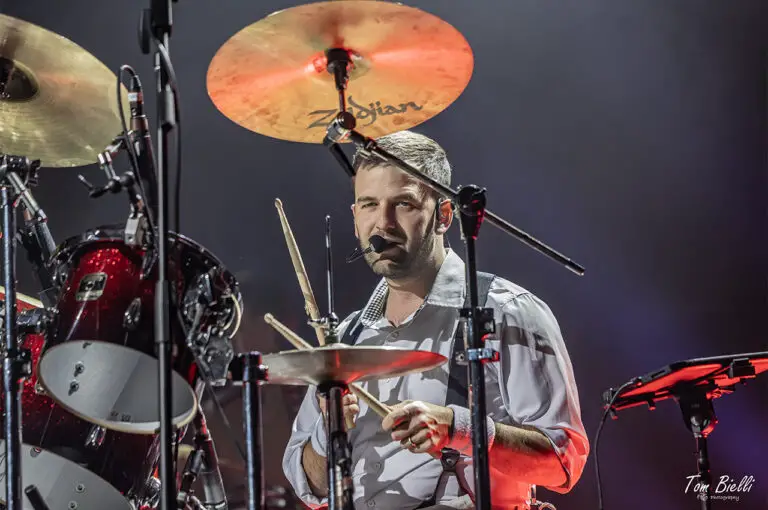
Eliser told the audience that by the early 1980s, Collins’ songwriting was becoming “too introspective to fit the band.” Songs such as “Throwing It All Away” led into a soul-searching series of moody songs after the breakup of Collins’ first marriage to Andrea Bertoli. They surfaced on the Face Value album in the mid-80s in such gems as “Against All Odds (Take a Look at Me Now), the chorus of which Eliser crooned soulfully.
Collins’ solo career took off on the backs of such songs as well as “One More Night” and “Take Me Home,” for which the audience supplied the refrain Tuesday night at the Stanley, closing the first set of the show.
After an intermission and costume change, the band returned to the stage with Eliser in a black suit, leading off with “Something Happened on the Way to Heaven” and moving on to “You’ll Be in My Heart,” which Collins wrote as a lullaby for his daughter, Lily, but which made it into the score of Disney’s Tarzan in the late 1980s.
Eliser said this of the emerging movie era in Collins’ career: “[Collins’s] contributions to movies helped him become a household name around the globe.”
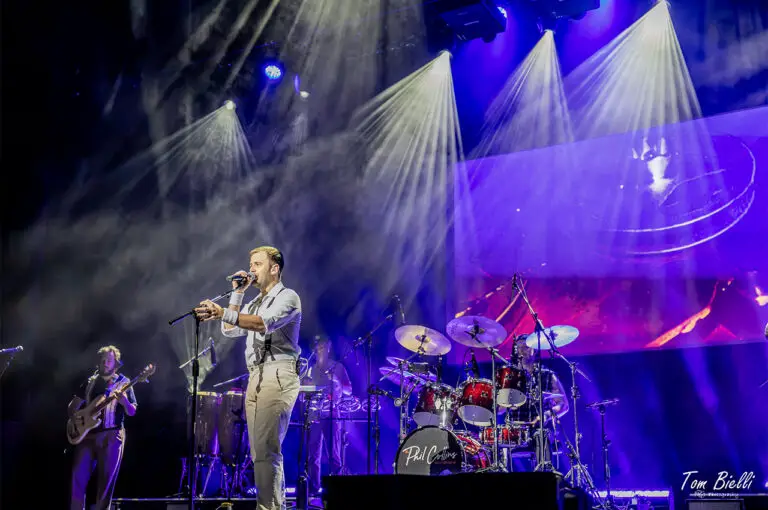
Although 1989’s “I Wish It Would Rain Down” was not among Collins’s songs to be featured on a movie soundtrack or to earn him an Academy Award, the resulting music video for the song reinforced his reputation for cinematic, narrative-driven MTV fare, so important to music at the time.
Tuesday night’s rendition of the song showcased a bluesy guitar solo by Ahlstrom, which was played on the original cut by Eric Clapton.
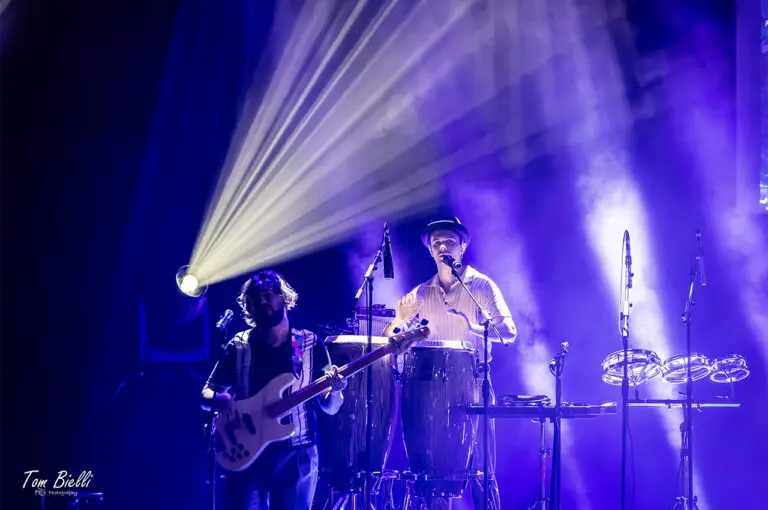
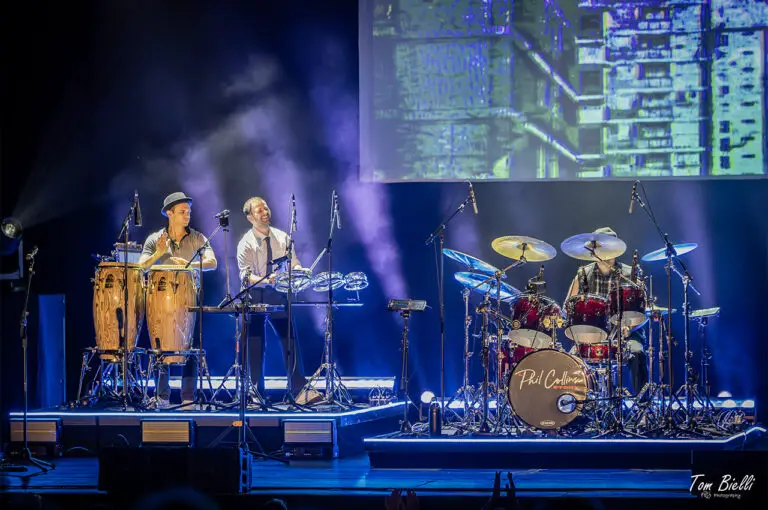
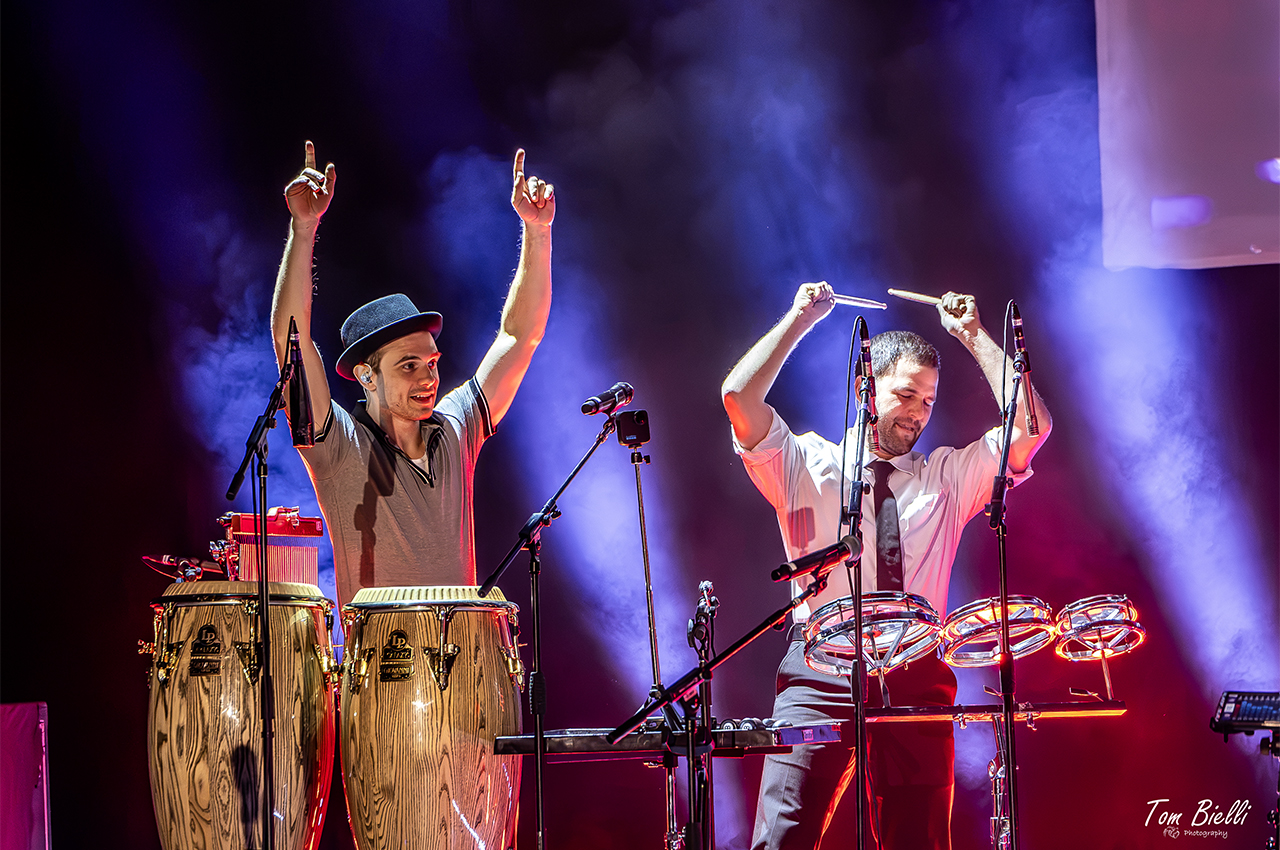
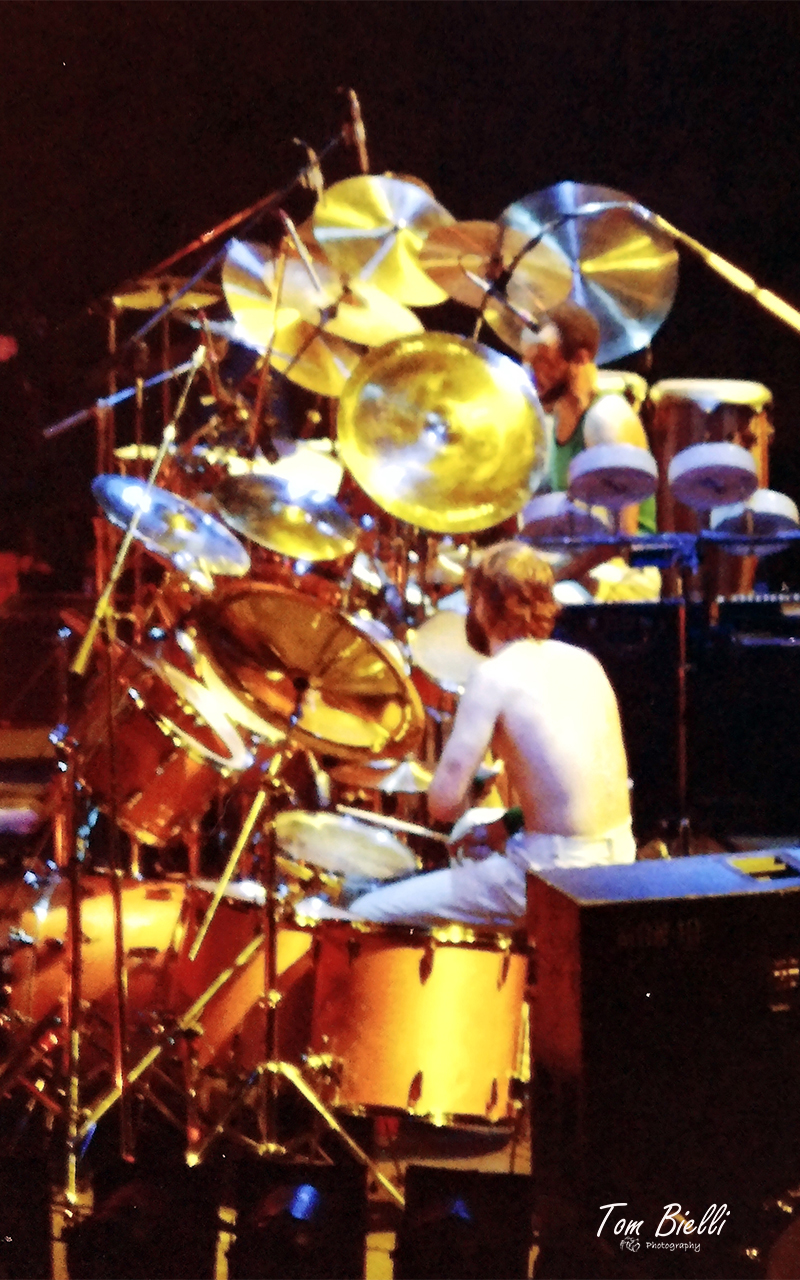
The slow tempo of “Do You Remember” followed Tuesday night, only to transition to a rousing drum medley, which started with a terrific conga solo by Smith. Smith got the audience to interject a timed clap at the end of repeated conga phrases then jacked up and slowed down the speed of his playing, sinking below the drums till all you could see from the house were his hands patting the surface of the congas.

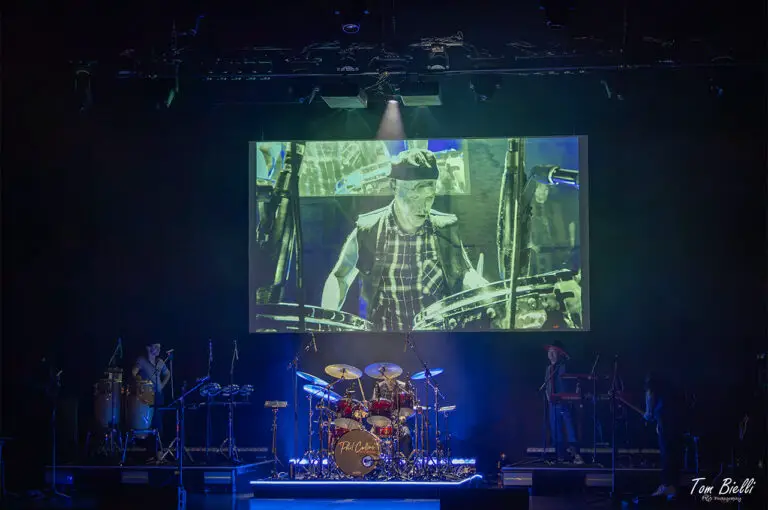
Kowalczyk, dressed in grungy cutoff flannel and a backwards ballcap, took over immediately on drums, then physically moved to join Smith and Eliser as a trio on spotlit snare drums.
The whole medley segued into a drum prelude lit by yellow, red and purple lights for “Don’t Lose My Number.” Eliser glided sassily through the number which climaxed with another guitar solo by Ahlstrom.
A guitar intro and thumping back beat led into what Eliser described as a “more mature” musical and socially conscious period as Collins “progressed into the 1990s and beyond.”
Tuesday night, The Phil Collins Story represented the period with the heart-string-pulling expose of homelessness, “Another Day in Paradise” and the stinging refrain: “Oh, think twice. Another day for you and me in Paradise.”
Perhaps to relieve the guilt, which that song stirred up in at least me, Eliser next called on the audience to dance, introducing two upbeat tunes, “You Can’t Hurry Love” and “Two Hearts,” rounding out the Grammy and Academy Award-winning career of “one of the most celebrated and versatile artists of our time.”
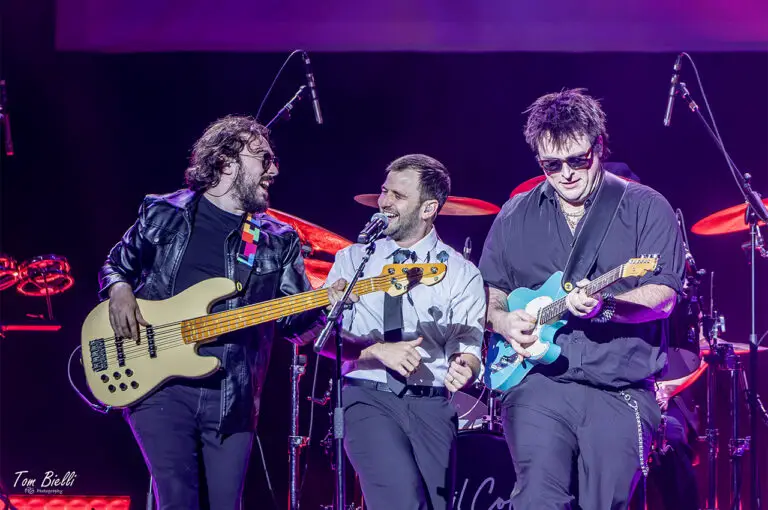
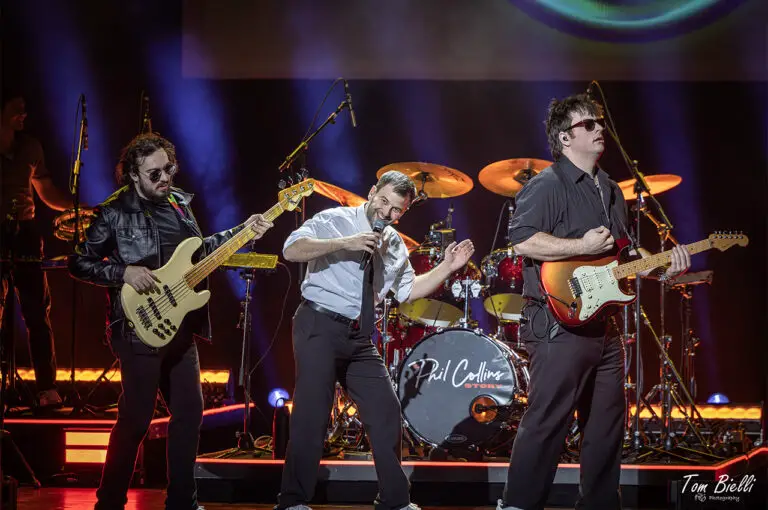
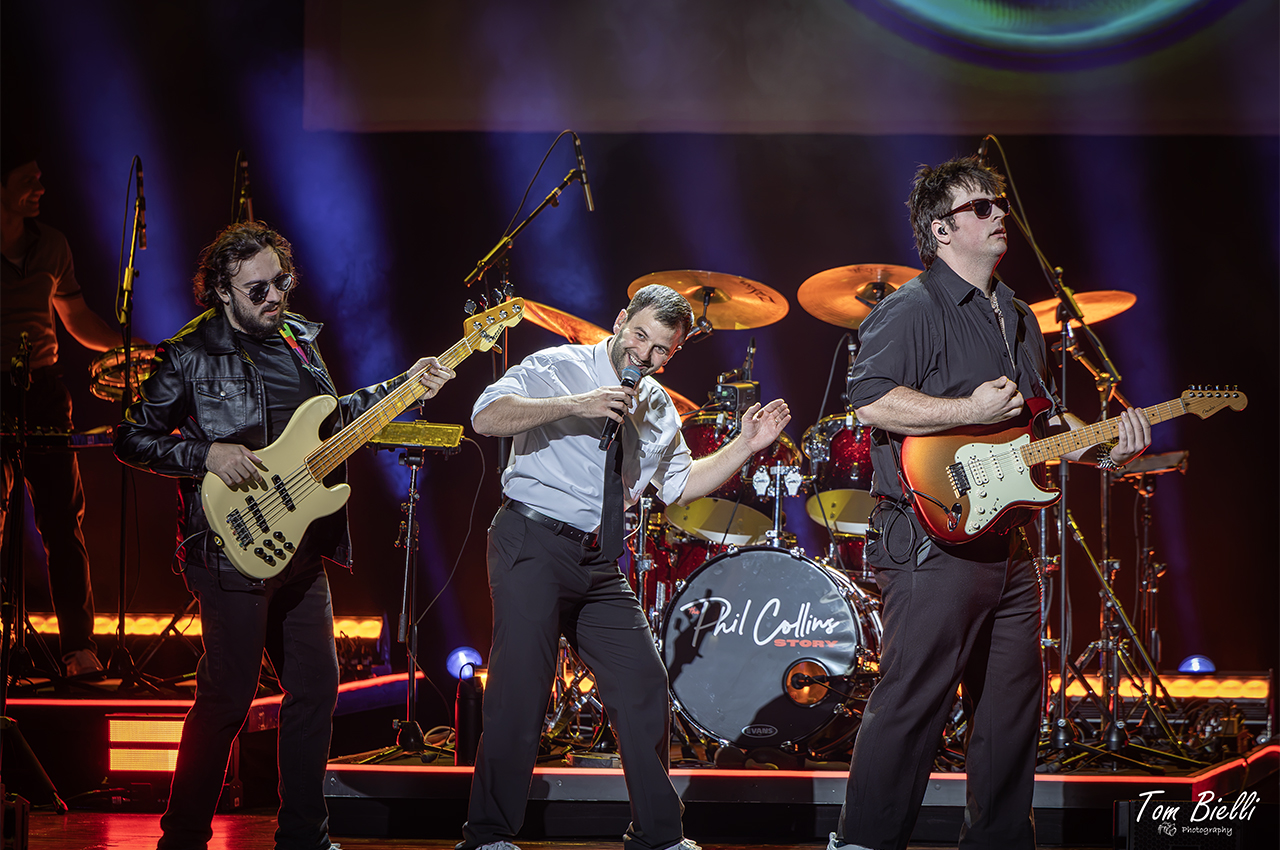
Eliser and other band members had fun with these two numbers, swinging, wiggling and kicking their feet. At one point, Eliser, Michaels and Ahlstrom hopped on one foot together while playing their instruments. During the cocky, darker strains of “I Can’t Dance,” which followed and which satirizes guys with a “perfect body,” but perhaps not the verbal (or mental) skills to match it, the trio strutted in a line across the stage, swiveling from left to right in pronounced, slow steps.
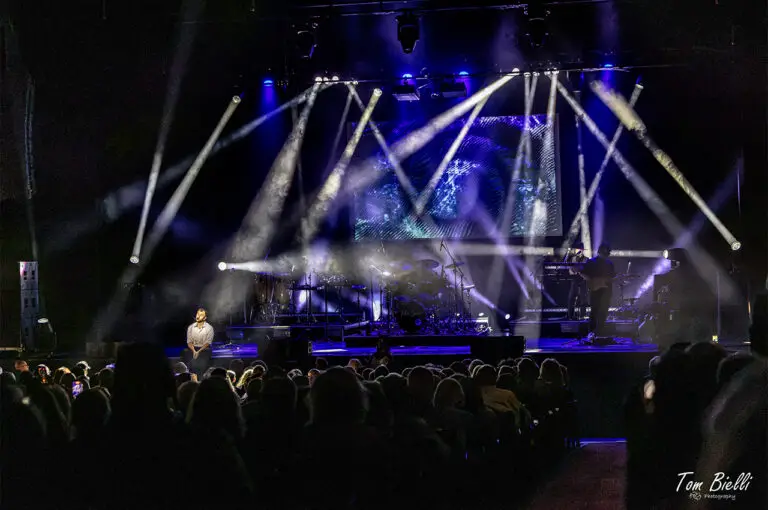
The stage darkened subsequently signaling the show’s encores, and an overture featuring electric guitar, graphics of a changing, fibrous form, and red stage lights gradually rose into the dark, menacing strains of “In the Air Tonight,” the signature song Collins wrote in anger and despair after his wife left him in 1980 following a Genesis tour to Japan. The haunting tune made it to Number 2 on the UK singles chart and Number 16 on Billboard’s Hot 100 in the U.S.
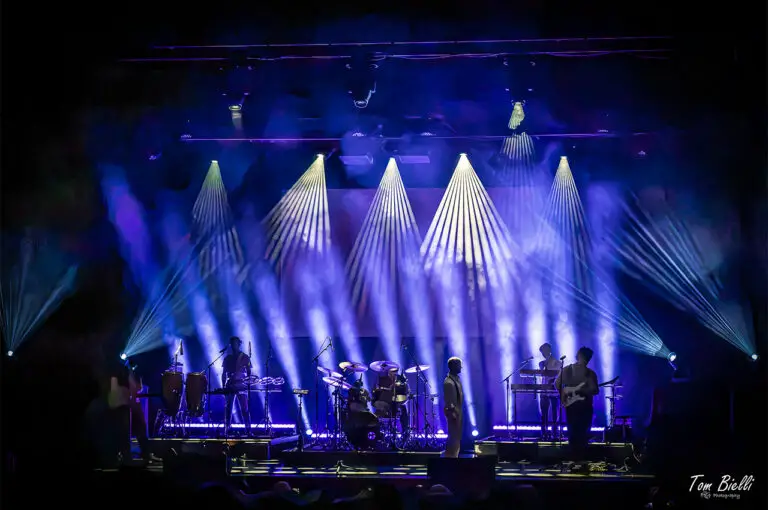
In the air at the Stanley Theatre in Utica Tuesday night, the fog machine rolled, the mood lighting sifted through it, and Eliser sang softly at first, from a sitting position on the side of the stage: “Can’t you feel it coming in the air tonight?” The famous drum fill followed in due time as the song unraveled, and a drum solo under flashing red lights closed the number before a sudden stop. It was pure theater that brought the crowd to their feet.
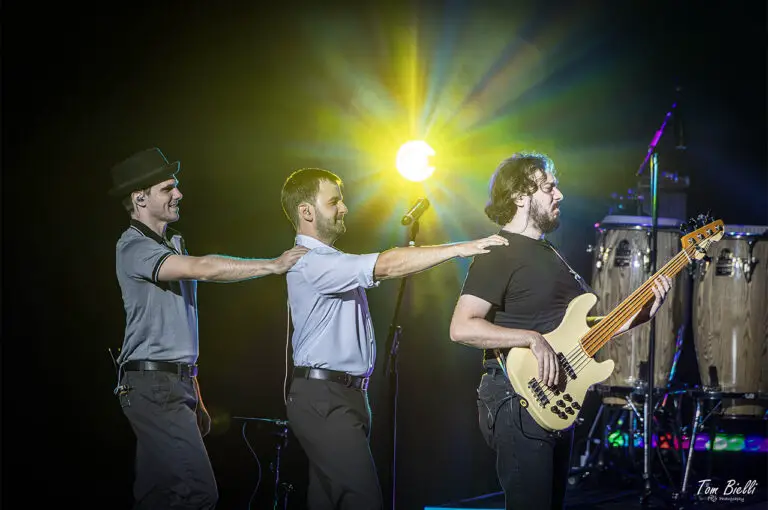
But it didn’t end there; the Phil Collins Story members had a few more fun frills to add to the mix in the final encore, the 1984 “Easy Lover.” Throwing in some falsetto vocals here and there, Eliser joined Michaels and Smith for an iconic Genesis strut in profile across the stage, each person with a hand on the shoulder of the person in front.
There is “genesis,” creation, and there is “re-genesis,” bringing that creation back. The Phil Collins Story may be doing some of both. To see for yourself, the band has a non-stop slate of appearances in New Jersey, New York, Pennsylvania, Connecticut and West Virginia now through Halloween before continuing their tour south (and all over) in November – not too far if you’re a passionate Collins fan.
Set 1: Sussusudio; Follow You, Follow Me; Misunderstanding; Abacap; That’s All, Mama, Invisible Touch; Throwing It All Away; Against All Odds; Take a Look at Me Now; One More Night; Take Me Home
Set 2: Something Happened on the Way to Heaven; You’ll Be in My Heart; I Wish It Would Rain Down; Do You Remember; Drum Medley; Don’t Lose My Number; Another Day in Paradise; You Can’t Hurry Love; Two Hearts; I Can’t Dance
Encore: In the Air Tonight; Easy Lover

Bluesky Discussion
View on BlueskyNo replies yet. Be the first to comment on Bluesky!

Comments are closed.