


It’s 8:30pm in the East Village, and a woman is shrieking. A baseball cap, stylized New York written across its face, hangs off the neck of her guitar.
The woman, Taja Cheek, is playing the second of two New York nights to tour her new album, and you get the sense that this is not out of the ordinary for her.
L’Rain is (or are, if you’re talking about the eponymous band) a maker of something most easily described as ‘experimental pop’. Fata Morgana is only about two parts pop though, to three parts rock, and five or six parts discomfiting, tricky noises and challenging chord progressions. Its title, taken from a type of optical illusion sometimes seen at sea, a type of mirage, feels appropriate.
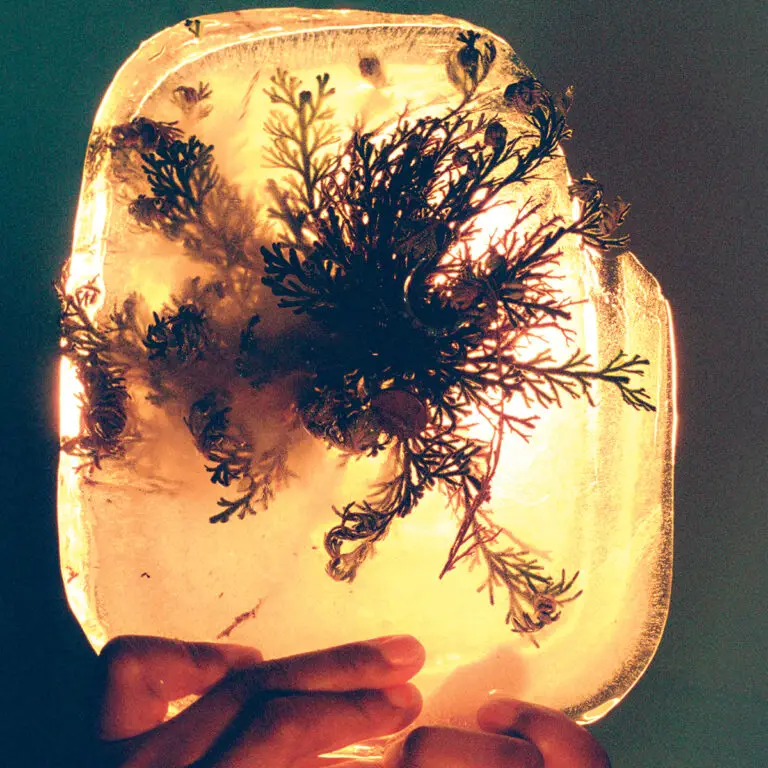
What comes across as challenging on the record, though, is transformed in Nightclub 101. The show felt like there were only about three songs performed, such were they welded together, stretched out, transfigured.
It’s only when seen live, for example, that you can hear how Cheek restrains her voice on her records (if the experimental pop thing doesn’t work out then she’ll find work as a soul singer).
There is a deepness and a richness to her voice that she only lets out once or twice. The rest of the time her looping is ghostly and restrained – when she is not squawking like a bird, that is.
Where most music varies in its structure, one idea or segment following another, L’Rain’s music repeats mostly the same four chords over and over. Instead, it undulates in intensity, introducing an idea, building on it, deepening it, adding feeling and power. More often than not the thing ends in an extended, crashing breakdown.
Chords never go where you want them to. They go somewhere unexpected, better.
She conducts the four men on stage, hanging on her every movement – as much with her hair and her body, all one monolithic entity – as with her arms. This, and the lack of typical verse-chorus structure, lend the performance a fresh, improvised feeling.
Nightclub 101 has a familial feel to it, with support act Eucademix’s dubby techno and mellow electronica performed from the dancefloor (Eucademix also sequenced the album). Its tiny room easily overheats and indeed at one point Cheek declared, in her easy style, that she would die without a glass of water. Followed was the general passing round of drinks, mirroring the musical chairs of instruments passed round throughout the night.
Cheek had come, she said, from the Jimmy Kimmel live recording in Brooklyn, where she had met, in no particular order, the mayor, Jon Hamm, TV On The Radio, and some other people whose names I couldn’t catch.
(That she said, in the same breath, that this event followed her getting off work, despite putting out four widely acclaimed albums, speaks to the state of the music industry.)
She promptly launches into more looping, her voice and instruments chopped up by the formidable array of pedals she has within reach.
There is a lot of weirdness to the way they play. The guitar, for example, is only strummed in the regular way part of the time. The rest of the time it is being hit on the ground or struck with a fist. I couldn’t hear exactly what sound this was producing, but in general the band is supremely talented. Special mention must go to the bassist/guitarist who not only survived the scorching temperatures and blaring stagelights wearing a full black suit, but hit some staggeringly high notes in support of Cheek’s even staggeringly high notes.
It is not at all obvious to me who influences L’Rain. At times I am reminded somewhat of Radiohead (if Radiohead had personalities and were from Brooklyn, not rural Oxfordshire). A little of Feather by Little Dragon, a little Alan Parsons perhaps.
But that is the point of experimental music I suppose – to do things people haven’t done before. The baseball cap has made it back onto Cheek’s head, but I had it wrong before: the New York is upside down.
Bluesky Discussion
View on BlueskyNo replies yet. Be the first to comment on Bluesky!

Comments are closed.