
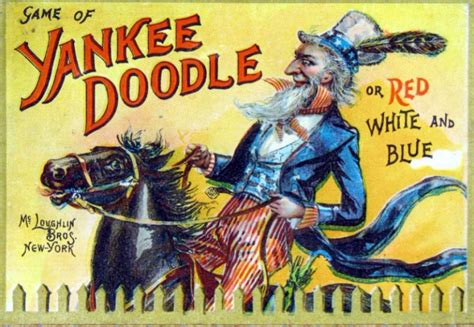
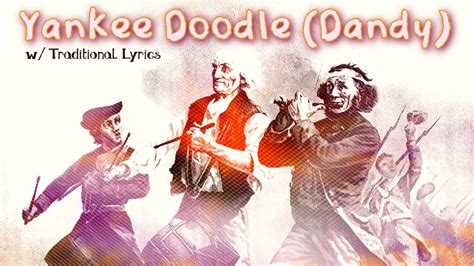
Yankee Doodle went to town
A-riding on a pony,
Stuck a feather in his cap
And called it macaroni.
Macaroni Craze
During the third quarter of the eighteenth century, Londoners saw the bizarre spectacle of the so-called “macaroni craze.” Young aristocratic men who had returned home from their educational Grand Tour through Continental Europe to Italy, displayed a liking for pasta.
They were named macaroni-eaters or simply “macaronies.” Horace Walpole (1717-1797) made the earliest known reference to a “Macaroni Club” in a letter dated February 6, 1764. There is no factual evidence that such a club ever existed, but this fictional construction became cemented in the public imagination during the 1770s.
Running between October 1772 and October 1774, The Macaroni and Theatrical Magazine, or, Monthly Register of the Fashions and Diversions of the Times, brought together the domains of theatre and fashion.
Each issue featured a “macaroni print,” depicting a nameless male who could easily be unmasked from clues provided. Stagey mannerisms, fancy clothes, fine fabrics, elegant shoes, a walking stick, and ceremonial sword codified the type. A powdered wig epitomized his extravagant persona.

For most of the eighteenth century, artifice was part of cultured interaction. Public life was theatrical and the wig represented a man’s social status. Subverting a traditional understanding of masculinity, the macaroni caused gender confusion.
Critics characterized him as a “hermaphrodite” or an “amphibious creature,” being sexually indeterminate. His presence provoked debate. How could a robust society promote refinement without becoming effeminate?
Manhood signified moderation: polished but sober, never ostentatious. The Macaroni and Theatrical Magazine exposed the macaroni as a fraud, claiming that Britons hated the “foppery of the present degenerate times.”
The attraction of foreign fashions had caused a loss of virility. The battle for masculinity therefore was rooted in patriotism. At the same time, the appearance of the macaroni boosted the sales of London’s print sellers.
Caricature was an Italian import too. So-called “macaroni prints” were produced and sold by Matthew and Mary Darly from their shop at the Strand. They published six sets of satirical images between 1771 and 1773, each batch holding twenty-four portraits. Their work inspired a completely new genre of social satire.
Despite his perceived foreign falseness, the macaroni’s image changed over time. By the mid-1770s, prints began to reflect a more sympathetic approach. Eccentricity was praised as quintessentially British.
The February 1773 issue of the Macaroni and Theatrical Magazine put this claim in the following terms: “One Frenchman alone is sufficient to represent fifty Frenchmen; but forty-nine Englishmen are insufficient to represent fifty of their own countrymen.”
Being “different” as a distinctive national trait of identity had begun to appear in the late seventeenth century. While aspects of the macaroni were antithetical to an ideal of plain masculinity, the stress on uniqueness reinforced British virtues.
Therein lies the paradox of the macaroni vogue: what had been condemned as foreign and false, became admired for being unconventional. There was respect behind ridicule.
Yankee & Doodle
Across the Hudson River from Albany, New York, was the location of the Van Rensselaer fortified manor, known as Fort Crailo. The estate was named after the family property at Huizen in the province of North Holland (Crailose Bos is now a local nature reserve). A compound word derived from Middle Dutch, it means “crow’s wood” (craie = crow; lo = wood or forest).
The mansion was built in 1707 for Hendrick Van Rensselaer (1667-1740), grandson of the First Patroon. After his death in 1740, his eldest son Johannes added a wing to the house in Georgian style. Today, it houses a museum of Colonial Dutch culture in the Hudson River Valley.
Lasting from 1754 to 1763, colonists joined British troops in the French and Indian War (1754-1763). Attached to General James Abercrombie’s staff, physician Richard Shuckburgh was a guest at Fort Crailo in 1755/6.
According to legend, he penned the lyrics of “Yankee Doodle” during his stay there after seeing the sloppy appearance of Connecticut’s colonial troops under command of Colonel Thomas Fitch (son of the Connecticut Governor). The latter’s sister had expressed concern that soldiers wore rustic clothing, not a uniform; she presented them with chicken feathers as a plume in their cap to create a sense of camaraderie.
Historians seem to accept that the opening verse of “Yankee Doodle” was meant to mock the ragtag volunteer militia (an early diss track). The punchline, they argue, lies in the word “macaroni.” The poet used it to poke fun at the colonists’ farcical attempt to appear both as professional soldiers and fashionable gentlemen.
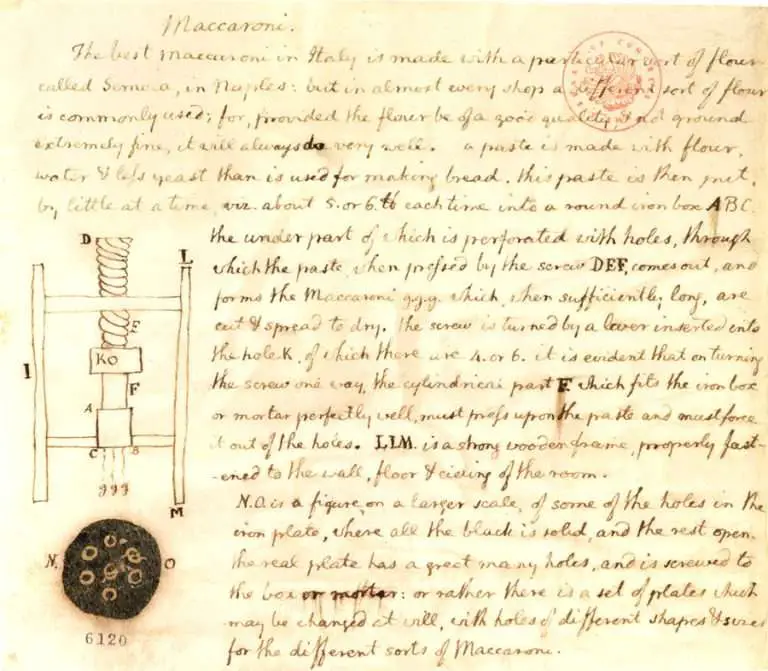
This is a case of over-interpretation. The earliest documented use of the word “macaroni” in American-English is associated with Thomas Jefferson. Whilst serving as US Minister to France from 1785 to 1789, he developed a passion for Mediterranean cuisine.
In 1787 he wrote a treatise on the delight of Neapolitan pasta and produced a sketch of a “maccaroni” (or pasta) machine, a version of which he later shipped back to the kitchens at Monticello. The word did not appear in American cookbooks until the 1820s, becoming a generic term for all pasta shapes after mass Italian immigration into the United States. It was never part of fashion slang.
David Garrick’s two-act satirical comedy The Male Coquette (first performed in London in 1757) featured an effete character named Marchese di Macaroni. The reference was well-understood in theatrical circles at the time. As Richard Shuckburgh had visited London in 1755, he must have seen early manifestations of the macaroni vogue there and then.
Click here to read more on the history of “Yankee Doodle” at The New York Almanack.
Bluesky Discussion
View on BlueskyNo replies yet. Be the first to comment on Bluesky!

Comments are closed.